Types of Materials Used in Large Size Picture Printing
When selecting materials for large size picture printing, the choice significantly influences the final appearance, durability, and application suitability of the image. Different mediums offer distinct advantages, making it essential to understand their properties and best-use cases.

Among the most common materials is banner vinyl, known for its robustness and weather resistance. Ideal for outdoor advertising and event displays, vinyl banners provide vivid color reproduction and resilience against environmental factors. They are typically coated with a matte or gloss finish to enhance visual impact and longevity.
Canvas is another favored option, especially for art reproductions and interior decor. Canvas offers a textured surface that lends a fine art feel to the printed image. It is usually stretched over a frame for display, and its durability can be increased with specialized coatings that protect against UV exposure and physical wear.
Specialty fabrics, such as polyester or polyester-blend textiles, are gaining popularity due to their flexibility, lightweight nature, and ability to produce high-resolution images with exceptional color vibrancy. These fabrics are used for both indoor and outdoor applications, especially where a softer, more elegant appearance is desired.
Furthermore, vinyl mesh and blockout materials serve specific functions like allowing airflow through displays or ensuring print opacity. Knowing the environmental conditions and intended use is crucial when selecting the appropriate material for large format printing, ensuring optimal performance and visual quality.
Summary
- Banner vinyl: durable, weather-resistant, vibrant colors.
- Canvas: art-quality, textured, UV-protected.
- Specialty fabrics: lightweight, flexible, high-resolution.
- Mesh and blockout materials: specialized for airflow or opacity needs.
Proper material selection ensures that large size pictures are visually striking, durable over time, and suited for their specific environment and purpose. Understanding these options helps in making informed decisions that optimize the impact and lifespan of the printed images.
Types of Materials Used in Large Size Picture Printing
Selecting the correct material is fundamental to achieving a high-quality, durable large format print. Each material type offers distinct advantages tailored to specific display environments and aesthetic goals. Understanding these options allows for informed decisions that align with both visual expectations and longevity requirements.
Canvas and Fine Art Materials
Canvas is widely favored for art reproductions and interior decor due to its textured surface that mimics traditional art mediums. Its ability to hold high-resolution images results in sharp detail and vivid colors. When stretched over a sturdy frame, it becomes an attractive wall display. Protective coatings, such as UV-guards and matte finishes, enhance its resistance to light exposure and physical abrasions, making it suitable for both indoor and semi-outdoor settings.
Specialty Fabrics
Polyester and polyester-blend textiles are increasingly popular options for large prints due to their lightweight, flexibility, and high-fidelity color reproduction capabilities. These fabrics are versatile enough for indoor banners, art pieces, or event displays, and their durability makes them fit for outdoor applications like signage that must endure weather conditions. Their ability to produce high-resolution, vibrant images adds value where visual impact is paramount.
Vinyl Materials
Vinyl-based materials, including vinyl mesh and blockout options, serve specific logistical and functional needs. Mesh vinyl allows airflow, ideal for large outdoor banners exposed to wind, reducing strain and potential tearing. Conversely, blockout vinyl ensures print opacity, suitable for window displays or backgrounds where background illumination must be blocked. Both types are weather-resistant, enhancing their suitability for prolonged outdoor usage.
Other Materials
- Fabric backlit films: Designed for illuminated displays, delivering vibrant visuals with backlighting.
- Polycarbonate and rigid substrates: Used for signs and displays requiring structural rigidity and high impact resistance.
- Glossy and matte finishes: Provide different visual effects, enhancing color vibrancy or reducing glare.
Considerations for Material Choice
When selecting materials for large size picture printing, it is important to consider environmental exposure, the desired aesthetic, and handling requirements. Durability, ease of installation, and cost are also key factors influencing the final decision. A comprehensive understanding of these materials ensures that the printed images remain striking over time and withstand the conditions of their display environment.
Types of Materials Used in Large Size Picture Printing
In the realm of large size picture printing, selecting appropriate materials is critical to achieving high-quality results with durability and visual appeal. Different applications and environmental conditions necessitate specific material choices to optimize longevity and performance.
Vinyl Materials
Vinyl remains one of the most popular materials for large format printing, especially for outdoor signage and banners. Its flexibility makes it easy to install on various surfaces, while its weather-resistant properties enable it to withstand harsh conditions such as rain, wind, and UV exposure. There are different types of vinyl used based on the specific needs of the project:
- Standard Vinyl: Suitable for indoor and short-term outdoor applications, offering good color retention and ease of handling.
- Mesh Vinyl: Features a perforated surface that allows airflow, making it ideal for large outdoor banners exposed to wind. Its lightweight and breathable nature help reduce stress on mounting structures.
- Blockout Vinyl: Designed for situations where opacity is essential, such as window displays or double-sided banners, preventing light transmission through the material.
Fabric and Other Flexible Materials
Fabric-based substrates are increasingly popular for their premium look and feel, especially for indoor displays, art reproductions, or to achieve a textured aesthetic. Common options include polyester or canvas fabrics, which are compatible with dye-sublimation or direct printing methods. They provide a sophisticated appearance with vibrant color reproduction and excellent stretch properties, making them suitable for curved surfaces and indoor murals.
Rigid Substrates and Specialty Materials
For signs requiring a permanent or high-impact presentation, rigid materials such as polycarbonate, acrylic, and aluminum panels are frequently utilized. These substrates offer structural stability and resistance to impact and environmental elements. They are ideal for outdoor signage, building wraps, or murals that demand longevity and a sleek, modern appearance. Additionally, backlit films designed for illuminated displays can produce vibrant visuals when installed behind light sources, making them perfect for retail or exhibition environments.
Considerations for Material Choice
When determining the right material, factors such as environmental exposure, installation type, maintenance needs, and visual goals must be assessed thoroughly. For outdoor applications, weatherproof and UV-resistant options ensure the print remains vibrant over time. Indoor environments might favor fabrics or high-gloss rigid substrates for a refined aesthetic. Cost implications and ease of handling are also vital in material selection, helping to balance quality with budget constraints.
Types of Materials Used in Large Size Picture Printing
Choosing the right material is fundamental to achieving high-quality, durable large-format images. The selection depends on the intended display environment, the desired aesthetic, and the longevity required for the print. Common materials include flexible fabrics, rigid substrates, and specialty surfaces, each with distinct benefits and optimal applications.
Flexible Fabrics
Fabrics such as polyester, canvas, or fabric-backed vinyl are popular options for indoor murals, banners, and art reproductions. These materials support dye-sublimation or direct UV printing, which produce vibrant and detailed images. Canvas offers a classic, textured appearance suitable for art reproductions, while smooth polyester films are preferred for their bright color reproduction and durability. Fabrics are lightweight, easy to install or change, and lend themselves well to stretched or framed displays.
Rigid Substrates and Specialty Materials
For outdoor signage, building wraps, or high-impact displays, rigid materials such as aluminum, acrylic, and polycarbonate are frequently chosen. These substrates provide structural stability and resist environmental challenges like wind, rain, and UV exposure. They are ideal for permanent signs, decorative panels, or architectural elements that require a sleek, modern aesthetic. Backlit films are another specialty option, designed to be illuminated from behind, resulting in eye-catching visuals suitable for retail displays, signage, and event banners.
Considerations for Material Choice
Material selection should be guided by environmental factors, installation methods, maintenance needs, and visual goals. UV-resistant and weatherproof materials ensure the longevity of outdoor prints, while softer fabrics may be more appropriate for interior decorative purposes. Handling and cost are practical considerations that influence choices, allowing for an optimal balance between quality and budget constraints. Proper material selection is key to maximizing the lifespan and visual impact of large-format prints, especially in demanding environments where exposure to elements or handling wear is a concern.
Printing Technologies for Large Format Images
Advancements in printing technology have significantly expanded the possibilities for large size picture printing, offering high resolution, vibrant color reproduction, and efficient workflows. The most prevalent technologies include solvent, UV, dye-sublimation, and aqueous (water-based) printing, each suited to specific applications and material compatibilities.
Solvent and Eco-Solvent Printing
These methods use solvent-based inks that provide excellent adhesion on non-porous rigid substrates and outdoor-friendly durability. Solvent printers produce highly durable images with vibrant colors and resistance to UV fading, making them ideal for outdoor signage and vehicle wraps. Eco-solvent printers utilize environmentally friendlier inks with similar performance, often with reduced odor and VOC emissions, suitable for indoor or sensitive environments.
UV Printing
UV printing technology employs ultraviolet light to instantly cure inks on various surfaces. This process allows for printing directly onto rigid and textured materials like acrylics, wood, and metals without the need for layering or special coatings. UV printers deliver sharp, detailed images with high color saturation and excellent durability against environmental factors, ideal for both indoor and outdoor applications.
Dye-Sublimation Printing
Perfect for fabric-based materials, dye-sublimation involves transferring dye-based inks onto specially coated fabrics or substrates using heat. The result is smooth, vibrant images with a soft hand feel. This method is particularly suitable for textiles used in banners, flags, and interior decor, offering high-resolution output with excellent color blending and fade resistance over time.
Aqueous (Water-Based) Printing
Water-based inks are a more environmentally friendly option that work well on coated paper and some rigid surfaces. They produce high-quality images with accurate color reproduction, predominantly used for indoor applications where environmental considerations are paramount. While not as resistant to outdoor elements as solvent-based methods, they are excellent for high-detail photographic prints or fine art reproductions.
Design and Resolution Requirements
Achieving outstanding visual clarity in large size picture printing relies heavily on proper design and resolution settings. Because of the varying viewing distances, the resolution must be tailored to ensure crisp details without unnecessarily increasing production costs. For large prints, a resolution of at least 150 dpi at the final viewing distance is typically recommended, though higher resolutions such as 300 dpi may be necessary for close-up viewing or detailed artwork.
Design considerations should focus on creating vector graphics or high-resolution raster images that maintain their integrity when scaled. File formats like TIFF, PDF, or EPS are preferred for their ability to preserve detail and support color profiles compatible with high-end printing systems. Color profiles and calibration are essential to match on-screen colors with physical outputs, ensuring consistency and accuracy across the entire print workflow.
Types of Materials Used in Large Size Picture Printing
Choosing the appropriate material is crucial for achieving optimal results in large size picture printing. The selection depends on the intended display environment, durability requirements, and budget constraints. Common materials include vinyl, canvas, fabric, foam boards, and acrylic sheets, each offering unique advantages.
- Vinyl: Popular for its durability and weather resistance, vinyl is ideal for outdoor displays such as billboards and banners. It withstands harsh environmental conditions and maintains vibrant colors over time.
- Canvas: Favored for fine art reproductions and interior decor, canvas provides a classic textured appearance. It offers excellent color depth and a sophisticated look but requires careful handling to prevent creasing and damage.
- Fabric: Used in tapestry-style displays and indoor installations, fabric prints provide a soft, matte finish that minimizes glare. They are lightweight and easy to hang, making them suitable for temporary exhibitions.
- Foam Boards: These rigid substrates are excellent for presentation displays and short-term signage. Their lightweight nature simplifies transport and installation, but they are less suited for outdoor exposure.
- Acrylic Sheets: With a sleek, modern finish, acrylic is often used for high-end displays and protective covers. It enhances image sharpness and provides resistance to scratches and UV rays, extending the longevity of the print.
Printing Technologies for Large Format Images
Implementing advanced printing technologies ensures vibrant, durable, and precise large-format images. Several methods are prevalent in professional settings, each suited to different material types and print qualities.
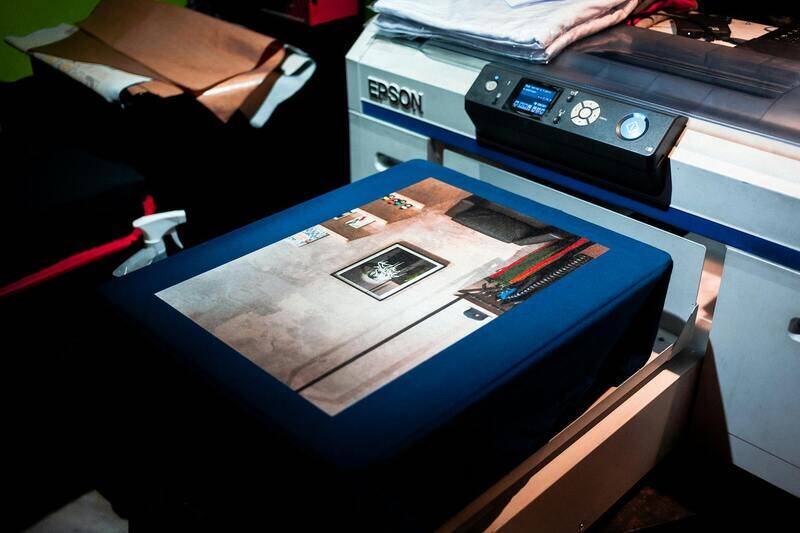
- UV Printing: This technique uses ultraviolet light to cure inks instantly upon contact with the substrate, resulting in highly detailed and UV-resistant images. UV printers are versatile, capable of printing on rigid and flexible materials with excellent adhesion and durability.
- Sewage or Latex Printing: Known for their eco-friendly profiles, latex and sewage printers employ water-based inks that produce vivid colors with high flexibility. These inks are suitable for versatile materials such as fabric, vinyl, and paper, offering resistance against scratching and environmental factors.
- Solvent and Eco-Solvent Printing: This method utilizes solvent-based inks that penetrate the material for maximum durability. It is especially effective for outdoor applications, providing resistance against weather, UV rays, and vandalism while delivering vibrant color reproduction.
- Aqueous Printing: A water-based printing process that emphasizes high detail and color accuracy. This technology is typically used for indoor applications where environmental considerations are important, such as fine art reproductions and photographic displays.
Design and Resolution Requirements
Design considerations and resolution settings are fundamental to achieving impressive visual quality in large size prints. Proper attention to these elements ensures the final output faithfully reflects the intended artwork or photographic composition.
For large-scale images, resolution should be tailored based on the viewing distance. A common standard is a minimum of 150 dpi at the final display distance, which strikes a balance between clarity and file manageability. Closer viewing areas or detailed artwork may necessitate resolutions of 300 dpi or higher to maintain crispness and prevent pixelation.
Design files should be created in vector formats such as EPS or AI for graphics where scalability is essential. Raster images must be high-resolution TIFF or PSD files, preserving details and supporting color profiles that match the output devices.
Color management plays a significant role, requiring calibrated monitors and color profiles that align on-screen visuals with printed colors. This process ensures consistency across production runs and minimizes color discrepancies, particularly vital when reproducing artworks or photographs with subtle tonal differences.
Preparation and File Setup for Large Format Printing
Accurate preparation of digital files is a crucial step in ensuring the success of large size picture printing. This process involves selecting appropriate file formats, color profiles, and resolution settings tailored to the specific material and printing technology used. High-resolution images are essential to preserve clarity and detail in the final output, especially when enlarging designs to significant sizes.
Designers should utilize vector formats such as EPS or AI for graphic elements that require scalability without loss of quality. For photographic images or complex raster artwork, high-resolution TIFF or PSD files are recommended, ideally with a minimum of 300 dpi at the final print dimensions. Utilizing proper color profiles, such as Adobe RGB or sRGB, aligns the digital design with the printer's color management system, ensuring consistent and accurate color reproduction.

File organization and preparation also encompass checking for any artifacts, ensuring files are correctly scaled, and maintaining proper bleed areas and margins. This prevents unwanted cropping and ensures the entire design remains visible and visually balanced. Pre-press proofs or small-scale test prints can validate color accuracy and layout before committing to the full-sized print, reducing costly errors and material wastage.
Color Management and Accuracy
Color fidelity is fundamental in large size picture printing. Implementing a comprehensive color management workflow involves calibrating monitors regularly to match the printer's color output. Using standardized color profiles helps to minimize variation between digital design and final print, which is particularly critical for reproducing artwork, photographs, or branding materials where tonal nuance is vital.
Consistency across production runs can be maintained through meticulous color checks and proofing processes. It's advisable to perform a control print on the actual material intended for the final piece, as different substrates absorb inks differently, potentially altering the appearance of colors. Adjustments can then be made to digital files to compensate for these material-specific variations, ensuring an accurately rendered final image.
Sample Image Placeholder

For projects that demand exact color matching—such as branded environments or art gallery displays—consulting with printing professionals and utilizing professional color matching tools is recommended. This diligence enhances the visual integrity of large images, contributing to a professional and impactful presentation that aligns perfectly with client expectations or artistic vision.
Types of Materials Used in Large Size Picture Printing
Choosing the appropriate material is fundamental to achieving high-quality, durable large format prints. The selection depends on the intended application, environmental exposure, and desired aesthetic. Common materials include:
- Self-Adhesive Vinyl: Versatile and weather-resistant, ideal for outdoor signage, wall murals, and vehicle wraps. Its adhesive backing allows easy application on various surfaces, maintaining integrity over time.
- Canvas: Offers a textured finish that mimics traditional art canvases, making it popular for fine art reproductions and gallery displays. Canvas prints can be stretched or framed, adding to their visual appeal.
- Mesh Fabric: Designed with small holes for breathability, often used in outdoor banners and event displays where wind resistance is necessary.
- Backlit Films & Lightbox Materials: Translucent substrates utilized for illuminated displays, backlit signage, and retail environments, providing vibrant visuals with added brightness.
- Metal Prints: Aluminum or similar substrates finished with a high-gloss or matte coating, delivering a sleek, modern look with excellent durability and color vibrancy.
- Glossy or Matte Paper: Suitable for indoor applications such as posters or art prints, often used when a specific finish enhances the visual impact or maintains a certain aesthetic.
Printing Technologies for Large Format Images
The technique employed in large size picture printing significantly influences print quality, color fidelity, and longevity. The most prevalent technologies include:
- Solvent and Eco-Solvent printing: Known for vibrant colors and excellent adhesion to non-porous surfaces such as vinyl, ideal for outdoor signage and vehicle graphics. Eco-solvent printers are more environmentally friendly, using less harmful solvents.
- UV Printing: Uses ultraviolet light to cure inks instantly on various substrates, including metals, plastics, and acrylics. This method ensures durability and precise detail, suitable for signage and promotional displays.
- Latex Printing: Employs water-based latex inks that are flexible, environmentally safe, and capable of printing on a broad range of materials. This technology offers excellent color vibrancy and weather resistance.
- UV-LED Printing: Combines UV curing with LED light sources for energy efficiency, producing high-quality images with extended color gamut and sharp detail, especially on rigid or non-porous surfaces.

Design and Resolution Requirements
Optimal design and resolution are core to creating impactful large format prints. The key considerations include:
- Image Resolution: For large prints, a minimum of 150 dpi at the final viewing distance is generally recommended, but higher resolutions may be necessary for close-up installations to retain detail and clarity.
- File Format: Use vector-based formats for logos or graphic elements that require scaling without loss of quality. For photographic images, high-resolution raster formats such as TIFF or PSD preserve detail during enlargement.
- Color Profiles: Embedding color profiles like Adobe RGB or sRGB ensures that the digital file maintains color accuracy across different devices and during printing.
- Design Considerations: Pay attention to composition, contrast, and color usage to maximize visual impact, especially when viewed from a distance. Incorporate bleed areas to prevent unwanted borders after trimming.
Color Management and Accuracy
Consistent color reproduction is essential for producing professional large size images that meet client expectations. Achieving this involves:
- Calibrating monitors regularly to ensure digital displays accurately represent colors.
- Applying standardized color profiles tailored for the specific printing method and substrate.
- Performing proofing with a controlled print on the selected material to verify color accuracy before the final run.
- Adjusting digital files based on test prints to compensate for substrate absorption characteristics, resulting in vibrant and faithful color reproduction.
- Utilizing professional color management tools and environment controls in the printing workflow to maintain consistency across multiple print jobs.
Types of Materials Used in Large Size Picture Printing
Choosing the appropriate material is fundamental to achieving a high-quality, durable large size picture print. The selection depends on the intended display environment, longevity needs, and aesthetic preferences. Common materials include vinyl banners, canvas, photo paper, fabric, and mesh fabrics. Each material offers unique properties that influence the final appearance and performance.
- Vinyl: Popular for outdoor signage due to its weather resistance and durability. It provides a smooth surface ideal for sharp, vibrant images and is highly customizable in terms of finish, such as matte or gloss.
- Canvas: Often used for art reproductions or decorative displays. Canvas provides a textured, professional appearance and can be stretched or framed for a refined look. It is typically coated to protect against UV rays and moisture.
- Photo Paper: Suitable for high-detail photographic prints, available in gloss, matte, or satin finishes. While excellent for vivid color reproduction, it is best suited for indoor use due to its sensitivity to environmental elements.
- Fabric (Polyester, Cotton): Frequently employed for banners and textile prints. Fabric materials tend to be lightweight, with excellent color vibrancy and ease of installation. They also offer breathability and flexibility in display methods.
- Mesh Fabrics: Ideal for large outdoor banners where wind resistance is necessary. The small holes in mesh allow airflow, reducing wind pressure, while still displaying high-quality images.

Printing Technologies for Large Format Images
To produce vibrant, detailed, and durable large size pictures, digital printing technology has evolved significantly. The predominant methods include solvent, UV, latex, and eco-solvent printing. Each technology has its advantages based on substrate compatibility, color accuracy, and environmental considerations.
- Solvent Printing: Known for its exceptional durability and color richness, solvent printing is ideal for outdoor applications, providing resistance to UV fading and weather elements.
- UV Printing: Uses ultraviolet light to cure inks instantly, allowing printing on rigid and flexible materials alike. UV printing offers high precision, vibrant colors, and chemical resistance.
- Latex Printing: An environmentally friendly option that produces flexible, water-based prints with excellent color vibrancy and scratch resistance. It is suitable for a variety of substrates, including vinyl, fabric, and paper.
- Eco-solvent Printing: Combines the durability of solvent inks with more environmentally conscious practices. It provides high-quality images and is suitable for indoor and outdoor uses.
Design and Resolution Requirements
Design considerations play a pivotal role in large size picture printing. Since these prints are often viewed from a distance, resolution and image quality must be meticulously managed to prevent pixelation and ensure visual impact.
- Resolution: For large prints, a minimum of 150 dpi at the intended viewing distance is recommended. Higher resolutions such as 300 dpi are preferred when close inspection is expected, especially with photographic images.
- File Format: Use high-resolution raster formats like TIFF or PSD that preserve detail without compression artifacts. Vector formats like AI or EPS should be used for graphic elements and logos to retain scalability.
- Design Elements: Incorporate sufficient bleed margins to prevent unwanted borders after trimming. Maintain clear contrast and vibrant colors to enhance visibility and impact from various angles.

Color Management and Accuracy
Achieving color fidelity in large format printing involves rigorous calibration and profiling throughout the production process. This ensures that the printed output reflects the intended design with vibrant, true-to-life hues.
- Monitor Calibration: Regularly calibrate displays to maintain consistent color representation, ensuring digital files are accurately prepared.
- Color Profiles: Embed ICC profiles such as Adobe RGB or sRGB into your files. Use profiles optimized for the specific media and printer to ensure color consistency.
- Proofing: Generate test prints on a smaller scale or on the actual substrate to verify colors before the final run. Adjust digital files accordingly to compensate for absorption and ambient light influences.
- Environment Control: Maintain a controlled environment with stable temperature and humidity to prevent substrate warping or color shifts during printing.
Preparation and File Setup for Large Format Printing
Proper preparation of digital files is crucial for achieving optimal print results. This includes setting correct dimensions, color profiles, and bleed areas, along with ensuring the file resolution matches the print size.
- File Dimensions: Set canvas size to match the final print dimensions to avoid unnecessary scaling, which can reduce quality.
- Color Settings: Use CMYK color mode where appropriate, or RGB with embedded ICC profiles. Verify that color management settings align with the printer specifications.
- Bleed and Margins: Include bleed areas (typically 3-5 mm) beyond the trim line to prevent white borders after cropping.
- Layers and Paths: Simplify designs, flatten layers when suitable, and utilize vectors for graphic elements to maintain sharpness during enlargement.
Applications and Use Cases of Large Size Picture Printing
Large size picture printing serves a diverse array of applications spanning commercial, artistic, and personal sectors. These compelling visuals are pivotal in creating impactful displays and conveying messages effectively.
- Advertising and Signage: Billboards, banners, and storefront displays utilize large prints to attract attention and communicate branding messages at a distance.
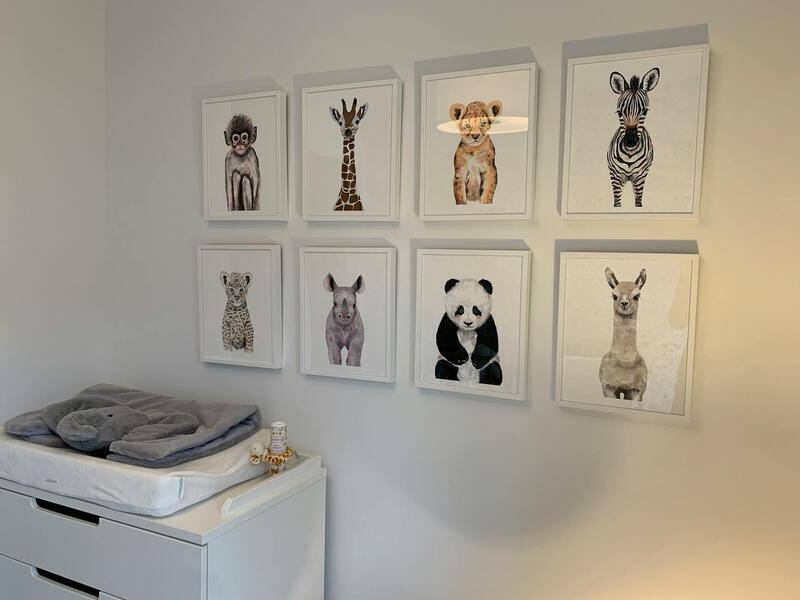
- Interior Decor: Gallery wall art, murals, and decorative panels enhance interior aesthetics with bold visuals.
- Events and Exhibitions: Large format prints are used for backdrops, stage designs, and promotional displays to generate visual interest and environment immersion.
- Educational and Informative Displays: Wall charts, maps, and infographics in public spaces or corporate environments boost engagement and understanding.
- Personal and Artistic Projects: Custom murals, photo wall art, and large-scale portraits transform personal spaces and showcase artistic expression.
Cost Factors and Budgeting for Large Size Printing
Budget considerations for large size picture printing require a detailed assessment of several factors that influence total costs. These include material selection, size, complexity of design, and finishing techniques.
- Material Cost: Premium substrates such as canvas or weatherproof vinyl will generally incur higher costs compared to standard materials but offer greater longevity and visual appeal.
- Size and Resolution: Larger dimensions typically translate into higher material costs and longer production times. High-resolution files also demand more processing power and precise printing calibration.
- Printing Method: Advanced technologies like UV or solvent printing tend to be more expensive but provide superior durability and color fidelity. The choice of technology should match the intended application and exposure conditions.
- Finishing and Mounting: Additional costs include framing, lamination, and mounting accessories, which enhance the visual quality and protect the print.
- Labor and Turnaround Time: Complexity of design setup and the urgency of the project influence labor costs. Efficient planning and communication with the printer can optimize expenses.