Overview of Large Format Photo Printing
Large format photo printing is a specialized printing process designed to produce high-quality images on expansive surfaces. This technology enables the creation of prints that range from a few feet to several meters in width, making it ideal for applications that demand impactful visual displays. The essence of large format photo printing lies in its ability to reproduce intricate details, vibrant colors, and sharp images on media suitable for displays, murals, banners, and exhibition backdrops.
Key features of large format photo printing include high resolution outputs that ensure clarity at a large scale, durable inks that withstand environmental factors, and versatile media options. This form of printing is widely utilized across various industries such as advertising, interior decoration, event promotion, fine art, and architectural design. Its capability to produce eye-catching visuals with impressive detail makes it an indispensable tool for professionals aiming to communicate visually compelling stories or branding messages on a monumental scale.
Common applications of large format photo printing encompass:
- Wall murals for interior and exterior spaces
- Presentation backdrops for events and trade shows
- Advertising banners and signage for retail environments
- Fine art reproductions for galleries and collectors
- Architectural renderings and visualizations
Types of Large Format Printing Materials
The choice of material is a crucial component in large format photo printing, affecting both the aesthetic appeal and durability of the final product. Common media options include:
- Vinyl: Popular for both indoor and outdoor signage due to its weather resistance and flexibility.
- Canvas: Offers a textured, artistic look ideal for fine art reproductions and gallery displays.
- Backlit Media: Designed for illuminated displays, providing vibrant colors when lit from behind.
- Wallcoverings: Made from fabrics or non-woven substrates, suitable for large interior murals.
- Photo Paper: High-gloss or matte finishes for detailed photographic reproduction on a smaller scale or mounted surfaces.
Choosing the Right Printing Technology
Different printing technologies are suited for various project requirements, offering a range of options for quality, speed, and media compatibility. The primary methods include:
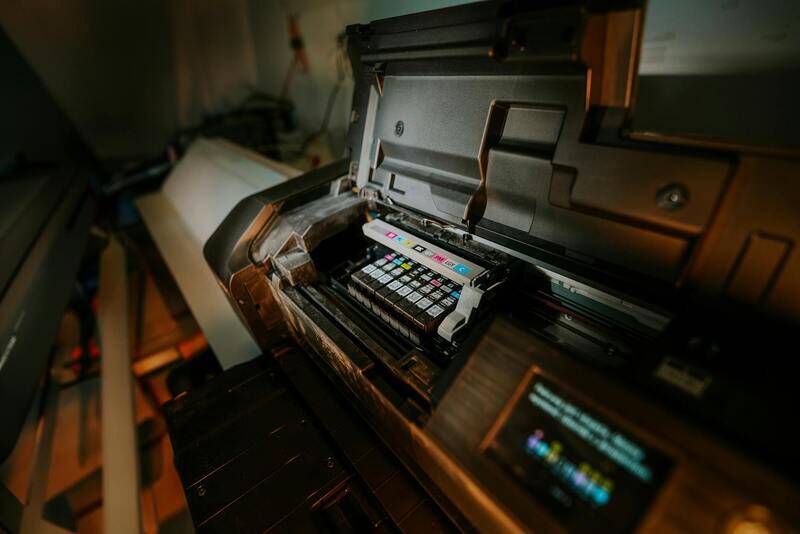
- Inkjet Printing: The most common technology for large format photo printing, utilizing piezoelectric or thermal inkjet heads to deposit inks onto media with precision.
- Solvent and Eco-Solvent Printing: Suitable for outdoor applications, providing water and UV resistance along with vibrant color reproduction.
- Aqueous Inkjet Printing: Typically used for interior displays, delivering high-resolution images with excellent color accuracy.
- Sublimation Printing: For fabric substrates, producing durable, vibrant images with a soft finish.
Color Accuracy and Image Resolution
Achieving precise color reproduction and sharp images is fundamental in large format photo printing. Advanced printers utilize multi-color ink sets, ranging from four to twelve or more inks, to encompass a broad color gamut that simulates the original scene or artwork with fidelity. Maintaining high image resolution is equally critical; typical resolutions range from 150 to 300 dots per inch (DPI), depending on viewing distance and material type. Higher DPI settings yield finer details and smoother gradations, which are essential for high-end photographic reproductions.
Color management processes, including ICC profiles and calibration techniques, are employed to ensure consistency across different printing runs and media types. Proper file preparation, including correct color profiles and resolution settings, plays a vital role in attaining optimal print quality.
Design Preparation and File Requirements
Preparing files for large format photo printing requires attention to detail to avoid issues during the printing process. Essential considerations include:
- Using high-resolution images, ideally 300 DPI at the final print size, to maintain sharpness.
- Employing color profiles and ensuring that files are in a compatible format such as TIFF or PDF for maximum quality.
- Ensuring that the file is correctly scaled and that important elements are within the safe margins to prevent unexpected trimming or cropping.
- Appending bleed areas where necessary to facilitate edge-to-edge printing without unwanted borders.
Proper pre-press procedures, such as color correction and soft proofing, help to visualize how the final print will appear, reducing the risk of mismatched colors or content misplacement.
Types of Large Format Printing Materials
When selecting the appropriate substrate for large format photo printing, understanding the properties and intended use of each material is essential. Different media offer distinct visual effects, durability, and compatibility, which influence the final presentation and longevity of the print.
Among the most common materials used in large format photo printing are vinyl, canvas, paper, fabric, and specialty textured surfaces. Each plays a unique role in enhancing the aesthetic and functional qualities of printed images.
Vinyl
Vinyl is renowned for its durability and weather resistance. It is suitable for both indoor and outdoor applications, such as billboard advertisements, banners, and vehicle wraps. Its flexibility allows for installation on curved surfaces, while its adhesive backing facilitates easy mounting. High-quality vinyl ensures vibrant color reproduction and long-term performance, making it an excellent choice for promotional displays and signage that require outdoor exposure.
Canvas
Canvas media offers a classic, artistic look, ideal for photographic reproductions, gallery wraps, and fine art displays. It produces rich, textured visuals that mimic traditional art canvases, adding depth and dimension to images. Canvas prints are often coated with protective layers, including UV coatings, to prevent fading and damage over time. This material is especially popular among photographers and artists aiming for a sophisticated presentation.
Fabric
Fabric substrates, typically made from polyester or blend fabrics, are favored for their lightweight nature and elegant appearance. They are commonly used for murals, backdrops, and decorative displays. Fabric prints tend to have a softer, matte finish, which diffuse light and reduce glare, enhancing visual comfort. Also, they can be easily folded or rolled for transportation and storage.
Specialized Textured Surfaces
Beyond standard materials, textured surfaces such as canvas-textured vinyl or linen fabrics are chosen to create unique tactile effects. These materials can emulate traditional art textures, adding a layer of visual interest and depth that elevates the aesthetic quality of large photographs.
Considerations for Material Selection
- Durability: Indoor displays typically require less robust materials compared to outdoor applications, which demand weather-resistant media.
- Visual Effect: Texture and finish influence the perception of the printed image, with matte, gloss, or semi-gloss options available.
- Image Longevity: Protective coatings and media quality affect how long the print maintains its vibrancy and clarity.
- Installation Method: Some substrates are easier to mount or stretch over frames, impacting setup and framing choices.
Choosing the right material is crucial for achieving outstanding print quality and ensuring the durability of large format photographs. Consulting with professional printing services allows for better guidance tailored to specific project requirements, including environmental factors and display techniques.
Overview of Large Format Photo Printing
Large format photo printing is a specialized process that transforms high-resolution images into sizable, visually impactful displays suitable for various applications. Whether for commercial advertising, gallery exhibitions, or personal projects, the ability to produce high-quality, enlarged prints is essential in creating engaging visual statements. This process involves carefully selecting suitable printing technologies, media, and finishing techniques to ensure that the final output maintains sharp detail, vibrant color fidelity, and durability. The key to achieving stunning large format prints lies in understanding the technical and material considerations that influence the final product’s appearance and longevity.
Choosing the right approach for large format photo printing involves evaluating various factors, including media types, printer capabilities, and intended display environments. For instance, indoor displays may prioritize clarity and color accuracy, while outdoor banners demand weather-resistant media. Ensuring proper preparation of digital files, selecting appropriate printing methods, and maintaining color consistency throughout the process are all vital to producing a professional-grade result that effectively communicates the intended visual message.
Types of Large Format Printing Materials
Familiarity with the diverse array of printing materials available is fundamental for tailoring large format prints to specific settings and aesthetic goals. Standard materials like vinyl and banner fabrics are prevalent, offering a balance between durability and print quality. For indoor applications, finer materials such as photographic paper with satin or gloss finishes serve to enhance color vibrancy and sharpness. Meanwhile, textured media like canvas or linen surrogates confer a tactile dimension, ideal for art reproductions or gallery displays.
Beyond basic substrates, innovative options include matte, semi-gloss, or gloss finishes, each contributing uniquely to the visual effect. Matte surfaces reduce glare and are suitable for environments with ambient lighting, whereas gloss finishes amplify color richness and contrast, ideal for retail displays or photographic exhibitions. Protective coatings further extend the lifespan of prints, safeguarding colors against fading and surface damage over time.
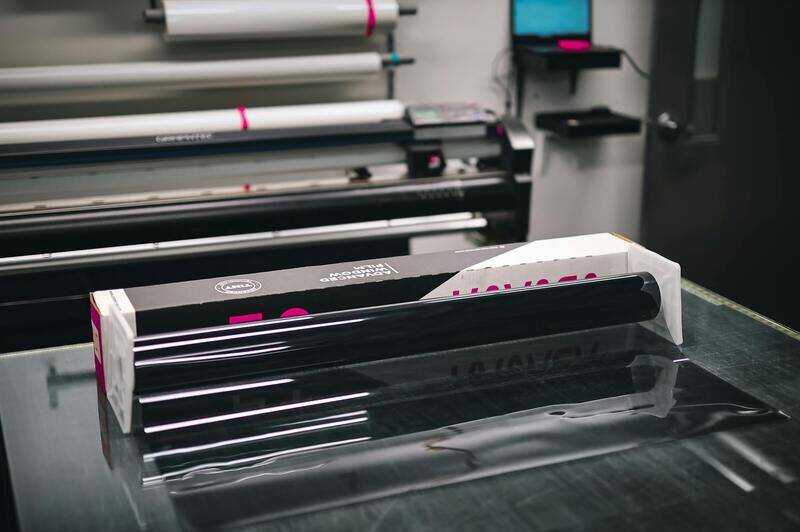
When selecting materials, considerations such as environmental exposure, ease of handling, and installation method come into play. For instance, flexible fabrics are easier to roll and transport, while rigid substrates like foam boards or aluminum panels provide structural stability, suitable for mounting in permanent installations. The right choice of media ensures not only visual fidelity but also practical convenience in installation and maintenance.
Color Accuracy and Image Resolution
Achieving precise color reproduction and high image resolution are fundamental aspects of large format photo printing that directly influence the visual impact of the final product. Accurate color fidelity ensures that the hues, shades, and tones in the digital image are faithfully represented in the print, which is particularly critical for photographs, artwork reproductions, and branding displays. To accomplish this, high-end printers equipped with advanced color management systems are employed, often utilizing ICC profiles that calibrate the printer and monitor to maintain consistent color output across devices.
Ensuring high image resolution is equally vital. Large format prints require images with sufficient pixels per inch (PPI), generally 150-300 PPI depending on viewing distance, to prevent pixelation and blurriness. When preparing images for printing, it’s essential to work with files that are at least the size of the final print resolution, avoiding upscaling digital files that can introduce artifacts or degrade image quality. Image editing software should be used to optimize sharpness, contrast, and color saturation, aligning with the specifications of the chosen printing process.
Additionally, professionals often perform test prints on smaller samples to verify color accuracy and resolution. This step allows adjustments before committing to the larger, more costly print. Accurate color matching might also involve consulting with the printing provider to utilize specific color profiles tailored to the selected media and printer type. Maintaining consistency between digital and printed images is crucial for branding, exhibitions, and fine art applications, ensuring the final product meets both aesthetic and technical expectations.
Understanding the Different Printing Technologies for Large Format Photos
Selecting an appropriate printing technology is essential for achieving high-quality results in large format photo printing. Different methods cater to various needs, such as durability, color fidelity, and cost-effectiveness. Two prevalent technologies used in the industry are inkjet and solvent-based printing.
- Inkjet Printing: This is the most common method for high-resolution photo prints. Using microscopic nozzles, inkjet printers deposit tiny droplets of ink onto the substrate, allowing for detailed, vibrant images. Modern inkjet printers often utilize dye or pigment-based inks, with pigment inks offering superior longevity and resistance to fading. This technology is ideal for indoor applications, fine art reproductions, and photographic displays where color accuracy and fine detail are paramount.
- Solvent and Eco-Solvent Printing: These printers are well-suited for outdoor signage and banners due to their increased durability and weather resistance. Solvent inks bind strongly to different materials, producing vibrant colors with high resistance to UV exposure, scratches, and water. Eco-solvent printers operate with environmentally friendlier inks, reducing VOC emissions, and are increasingly favored for quality photographic reproductions that require outdoor durability.
Choosing between these technologies involves assessing the intended application, substrate compatibility, and longevity requirements. High-end inkjet printers with advanced color management systems remain the top choice for producing museum-quality photographic artwork because of their precision and ability to replicate subtle gradations in tone and color.
Additional considerations include printer speed, maintenance requirements, and substrate versatility. Reliable printing providers often employ hybrid systems or multiple printers to give clients options and ensure consistent output quality across a variety of media types. When evaluating a printing service, it is advisable to inquire about their technological capabilities, calibration procedures, and processes to maintain color consistency and resolution, especially for critical photographic and art reproductions.
Installation and Display of Large Photos
Proper installation and display are crucial in maximizing the visual impact and longevity of large format photographs. Whether showcased indoors or outdoors, meticulous attention to mounting and framing can significantly influence the presentation quality.
Optimal Mounting Techniques
Choosing the right mounting method depends on the environment, substrate, and desired aesthetic. Common techniques include:
- Hard Mounting: Using adhesive or mechanical fasteners to affix the printed material directly to a rigid backing ensures stability and a sleek, frameless appearance. Hot and cold mounting options are available, with cold mounting often preferred for delicate or sensitive prints.
- Float Mounting: Creating a visual levitation effect by mounting the print away from the wall with spacers, adding depth and sophistication to the display. Suitable for high-end photographic artworks.
- Panel Mounting: Attaching the print to a sturdy panel (wood, metal, or foam core) provides support and protection, especially for larger pieces.
Framing Considerations
Framing not only enhances aesthetic appeal but also shields the print from environmental damage. When selecting a frame, consider:
- Material: Metal frames offer contemporary looks, while wood frames impart warmth and classic appeal.
- UV-Protective Glass: To prevent fading and discoloration over time, especially if the print will be exposed to sunlight.
- Matting: Adds a border around the photograph, improving visual focus and preventing direct contact with the glass, which can cause condensation or sticking issues.
Display Environment Tips
Proper lighting and placement are key to showcasing large format images effectively:
- Lighting: Use controlled lighting to highlight details without causing glare or reflections. LED or diffuse lighting systems are preferred for their consistency and low heat emission.
- Viewing Distance: Position the artwork at a height and distance where viewers can appreciate fine details and color nuances.
- Environmental Conditions: Maintain stable temperature and humidity levels, especially for photographic prints that are sensitive to environmental fluctuations.
Methods for Official and Authentic Large Format Photo Printing
To ensure the highest quality and durability of large format photographs, selecting the right printing method tailored to specific project needs is essential. Here are the official and reputable techniques used in professional large format photo printing:
Giclée Printing
Giclée printing is a widely recognized digital printing process that employs high-resolution inkjet printers with archival-grade inks. It is celebrated for producing rich color fidelity, sharp detail, and long-lasting images that resist fading over time. Artists and photographers prefer Giclée for reproductions of fine art and photographic work where color accuracy and detail are paramount. Its ability to handle various media types, including fine art papers and canvas, makes it a versatile choice.
Sublimation Printing
Sublimation printing involves transferring dye-based inks onto specially coated substrates using heat and pressure. This method is particularly effective for producing vibrant, durable images on materials such as coated metal, acrylic, and fabric. Sublimation is ideal for creating impactful wall murals and decorative displays, especially when a high gloss finish and chemical resistance are required. Because the ink becomes part of the surface, sublimation prints exhibit excellent water and UV resistance, suitable for both indoor and outdoor applications.
UV-Printing Technology
Ultra Violet (UV) printing utilizes UV-curable inks that are instantly dried upon exposure to ultraviolet light. This process allows for printing directly onto a wide variety of rigid and flexible surfaces, including acrylic, glass, and metal. UV printing is renowned for its vivid colors, crisp details, and durability, making it suitable for signage, art installations, and decorative panels. Its precision and ability to print on unconventional surfaces make it a professional staple in the large format printing industry.

Considerations for Choosing a Method
- Material Compatibility: Ensure the selected printing technology aligns with your media choice for optimal results.
- Durability Needs: For outdoor or high-traffic environments, opt for methods that provide enhanced resistance to weathering and UV damage.
- Color Precision: High-end digital processes like Giclée guarantee superior color matching and detail rendition.
- Budget Constraints: While each method varies in cost, balancing quality with budget is critical to achieving long-term value.
Ensuring Compliance and Quality Standards
Official large format printing services adhere to industry standards for color management, substrate handling, and environmental compliance. Reputable providers utilize calibrated color profiles, high-quality inks, and environmentally controlled printing facilities. This ensures that the finished product aligns with client expectations, retains color fidelity over time, and meets safety standards necessary for public display.
By working with certified printers, clients receive prints that are produced under strict quality controls, giving confidence in the authenticity and longevity of their large format photographic displays.
Methods for Large Format Photo Printing
When expanding your photographic display options, selecting the appropriate printing method is essential to achieve the desired visual impact, durability, and overall quality. Various professional printing techniques are available, each suited to different needs, surfaces, and environmental conditions. Understanding these methods allows for better decision-making and ensures that your large format photo printing project results in a stunning, lasting presentation.
Official Large Format Printing Methods
Giclée Printing
Giclée printing is renowned for its exceptional color fidelity, high resolution, and ability to reproduce intricate details. This inkjet-based technology uses archival-quality inks and fine-grade substrates, making it ideal for art reproduction, photographic displays, and gallery-quality prints. The process involves spraying tiny droplets of pigment-based ink onto high-quality paper or canvas, providing a wide color gamut and smooth gradations. Giclée is often preferred for projects requiring meticulous color accuracy and longevity, especially when the artwork will be displayed indoors or in controlled environments.
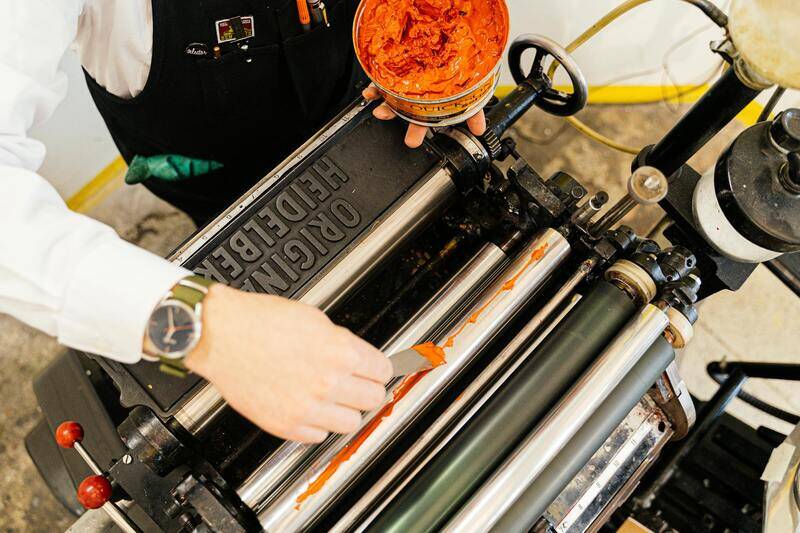
UV-LED Printing
UV-LED printing utilizes ultraviolet light to cure the inks instantly upon contact with the substrate, resulting in highly durable and vibrant images. The technology allows for direct printing onto a wide range of surfaces, including acrylic, metal, wood, and glass, making it suitable for both artistic and signage applications. UV-LED printing produces scratch-resistant, weatherproof, and UV-resistant prints that maintain their quality over time, even when exposed to outdoor elements. This method is popular for creating eye-catching signage, decorative panels, and custom art installations.
Solvent and Eco-Solvent Printing
Solvent printing employs solvent-based inks, which penetrate the surface of vinyl and other flexible media to produce waterproof, durable, and vibrant images. Eco-solvent options are environmentally friendlier, emitting fewer volatile organic compounds while maintaining high quality. This technique is best suited for outdoor signage, vehicle wraps, and large banners where resistance to weather, UV rays, and physical wear is critical. The ink’s flexibility also allows for printing on materials that require curve conformability, such as rounded surfaces.
Laminating and Finishing Techniques
Enhancing the longevity and visual appeal of large format photos often involves additional finishing processes. Laminating provides a protective film that guards against scratches, UV damage, and moisture. Matte, gloss, or satin laminates are available based on aesthetic preference. Mounting options, such as framing, tensioning, or adhesive backing, further support proper installation and display, ensuring your large photo remains vibrant and intact over time.
Image Quality Considerations
Achieving professional results in large format photo printing hinges on optimal image resolution and accurate color reproduction. Files should generally be prepared at a resolution of 150-300 DPI at full print size to maintain clarity and detail. Additionally, color profiles must be embedded appropriately to ensure consistency across devices and media. High-quality images with proper exposure, focus, and contrast translate into more striking large-format prints that draw viewers and elevate the overall presentation.
File Preparation Guidelines
- Use uncompressed formats such as TIFF or high-resolution JPEGs for best quality.
- Ensure the file dimensions match the intended print size with adequate resolution.
- Embed ICC profiles for precise color management.
- Remove any watermarks or embedded metadata not relevant to printing.
- Consult with your printing provider for specific file requirement standards.
Implementation Tips for Display
Proper installation is crucial to preserving the visual quality and ensuring safety. Use appropriate mounting hardware, considering factors such as weight and surface compatibility. For large displays, professional mounting services can help prevent sagging, bowing, or damage. Lighting conditions and viewing distance should also influence the display setup to optimize visibility and impact.
Cost and Investment Considerations
Pricing for large format photo printing varies depending on the chosen method, material, print size, and finishing options. Factors such as ink type, media quality, and installation requirements also influence total costs. It's essential to balance your budget with quality expectations, especially for long-term displays or high-profile projects. Working with reputable, certified printing providers ensures access to industry-standard materials and workmanship, ultimately providing a valuable investment that enhances your visual communications.