Understanding Large Photo Prints
Large photo prints, often referred to as huge photo prints, are extraordinary visual displays that surpass standard photographic sizes, offering a bold and impactful presence in any space. These prints typically range from several feet in width to life-sized dimensions, making them ideal for a variety of applications. The primary use cases include interior decor, commercial displays, promotional banners, gallery exhibitions, and personalized art installations. Their ability to convey detailed imagery at an impressive scale captures attention and creates immersive visual experiences.
The appeal of big-format images lies in their capacity to transform environments, whether by adding a statement piece in a living room, creating focal points in retail stores, or enhancing visual storytelling in gallery settings. When properly produced, these prints can evoke emotional responses and elevate the aesthetic appeal of a space. The choice of large photo prints is often driven by the desire to make an artistic or impactful statement, utilizing high-resolution images to ensure clarity and vibrancy are maintained at expansive sizes.
Understanding the significance of image resolution and material quality is essential when pursuing large photo prints. High-resolution digital files are crucial, as they ensure that enlargements do not suffer from pixelation or loss of detail. This requirement emphasizes the importance of working with original high-quality images or professionally optimized files. The process involves careful planning around the intended display size, viewing distance, and material selection to guarantee that the final product aligns with expectations for clarity, durability, and aesthetic appeal.
In summary, huge photo prints offer an exceptional way to showcase artwork, photography, or branding on a grand scale. Recognizing their capabilities and the factors that influence their production sets the foundation for creating striking, high-quality large-format images that command attention while remaining true to the original visual intent.
Materials and Substrates for Huge Photo Prints
Choosing the right material for large photo prints is a critical step in ensuring that the final product meets your aesthetic, functional, and longevity expectations. The substrate or printing surface significantly influences the image quality, durability, and the environment in which the print will be displayed. Various materials are available in the market, each offering unique properties suitable for different purposes and installation contexts.
Common Materials for Large Photo Prints
- Vinyl: A versatile and highly durable option, vinyl is well-suited for both indoor and outdoor applications. It resists moisture, UV rays, and weathering, making it popular for banners, signage, and mural projects. Its smooth finish allows for vibrant color reproduction and sharp details.
- Canvas: Known for its textured surface, canvas lends an artistic and sophisticated appearance to large photo prints. It is commonly used for gallery displays, home decor, and fine art reproductions. When properly treated, canvas exhibits excellent longevity and resistance to fading.
- Photo Paper (Expanded): For indoor displays, especially when the emphasis is on high-definition detail, specialized large-format photo papers are utilized. These offer high-resolution clarity and a glossy or matte finish, ideal for photographic reproductions or artwork.
- Fabric and Textile-Based Materials: Materials such as polyester or premium textiles are preferred for custom wall coverings or soft signage. They provide flexibility and can be printed with eco-friendly inks, suitable for decorative or promotional purposes.
- Aluminum and Metal Sheets: For a modern and durable aesthetic, large-format prints on metal substrates offer a sleek look with high contrast and vibrancy. These are suitable for corporate environments or contemporary design settings.
Considerations for Selecting Materials
Durability requirements, environmental exposure, and desired aesthetic influence the material choice. For outdoor installations, weather-resistant options like vinyl or coated aluminum are preferable. Interior displays might benefit from canvas or high-quality photo paper, depending on the visual style desired. Compatibility with printing technology, ease of handling, and cost are additional factors to evaluate during material selection.
Innovative Substrate Options
Advances in substrate technology include environmentally friendly materials, lightweight composites, and textured surfaces designed for specific visual effects. These options expand the creative possibilities for large-format photo projects while maintaining the necessary standards for image quality and longevity.
Understanding Large Photo Prints
Creating impressive large photo prints involves more than just enlarging an image; it requires careful consideration of various technical and material factors to ensure that the final product is visually stunning, durable, and appropriate for its intended display environment. The key to achieving high-quality large-format prints is understanding the intricacies of image resolution, material selection, and the printing process itself.
The Significance of Image Resolution in Large Photo Prints
High-resolution images are fundamental when producing huge photo prints. Unlike standard prints, where a resolution of around 300 dpi (dots per inch) is typical, large-format prints often require images with even higher pixel counts to avoid pixelation and blurriness. Digital images intended for large prints should ideally have a resolution that corresponds to the final print size at a display resolution of 150-300 dpi, depending on viewing distance and application. For instance, a 4-foot by 6-foot print might require an image with at least 3000 x 4500 pixels to guarantee sharpness and clarity.
Ensuring your source image maintains high quality through frequent checks of file resolution and pixel dimensions is essential. Commonly, professional photographers and designers utilize advanced editing software to upscale images when necessary, employing sophisticated algorithms that preserve detail while preventing artifacts. Proper management of compression and color profiles also plays a critical role in maintaining image fidelity during the printing process.
Balancing Image Quality and File Size
Managing large image files can be challenging due to their substantial size, which may impact the workflow and the printing process. High-resolution images require considerable storage space and processing power. To optimize workflow efficiency, it is advisable to use uncompressed or minimally compressed files, such as TIFF or high-quality JPEG formats, with embedded color profiles. These formats support detailed color information and are compatible with professional large-format printers.
Color Accuracy and Calibration
Accurate color reproduction is vital for large photo prints, especially when the visuals are intended for commercial, artistic, or display purposes. Color calibration of the monitor used during image editing, along with calibration of the printer and proofing media, ensures consistency and fidelity across every stage of production. Soft-proofing techniques simulate how the printed image will appear on the chosen substrate, allowing adjustments that mitigate potential color mismatches.
Preparing Files for Large-Scale Printing
- Shooting or scanning images at the highest available resolution.
- Embedding accurate color profiles into images before final output.
- Using tiling or tiling software to divide very large images into manageable sections for printing, if necessary.
- Ensuring sufficient margin and bleed areas to accommodate finishing processes.

Understanding these principles prevents common pitfalls such as pixelation or color inconsistency, leading to a more visually appealing and professional large photo print. The ongoing advancements in digital editing tools and scanning technology continue to support creative professionals in achieving exceptional results when working on impressive, large-scale visual projects.
Understanding Large Photo Prints
Creating impressive large photo prints demands a comprehensive understanding of the various factors involved, from the choice of materials to the printing technology used. As image sizes increase, maintaining high quality becomes increasingly critical to ensure sharpness, color fidelity, and durability. Selecting the right printing approach hinges on understanding how different substrates will interact with printing inks, as well as the capabilities of current large-format printing technologies.
Materials and Substrates for Huge Photo Prints
The selection of substrate plays a vital role in the final appearance, longevity, and installation of huge photo prints. Common materials include:
- Canvas: Popular for artistic displays, offering a textured surface that enhances visual depth. Canvas prints are typically stretched on wooden frames for a gallery-ready presentation.
- Vinyl: Durable and weather-resistant, ideal for outdoor displays or environments exposed to the elements. Vinyl can be printed with various finishes to achieve matte or glossy effects.
- Photographic Paper: Heavyweight, glossy, or matte options available, suitable for indoor framing, providing excellent image clarity and color vibrancy.
- Aluminum or Dibond: Metal substrates that produce vivid and glossy images, resistant to UV exposure, and known for their sleek, modern aesthetic.
- Acrylic: Features a transparent, glossy surface that enhances color saturation and depth, ideal for premium and contemporary displays.

Printing Technologies for Large Photos
The choice of printing technology significantly influences the quality and efficiency of producing large photo prints. Various methods cater specifically to large-scale applications:
- Large-Format Inkjet Printing: The most common method for huge photo prints, utilizing piezoelectric or thermal inkjet heads that deposit drops of ink onto substrates with high precision. Modern flatbed and roll-to-roll printers can produce ultra-large prints with resolutions up to 1200 dpi, ensuring sharp detail and vibrant colors.
- Solvent and Eco-Solvent Printing: These ink types are suitable for outdoor applications, providing weather resistance and quick drying times. They are often used on vinyl and other durable materials.
- UV Printing: Capable of printing directly onto rigid and non-porous surfaces such as acrylic, aluminum, and glass. UV technology cures ink instantly, resulting in vibrant, durable images with excellent adhesion.
Factors Affecting Image Quality in Large Prints
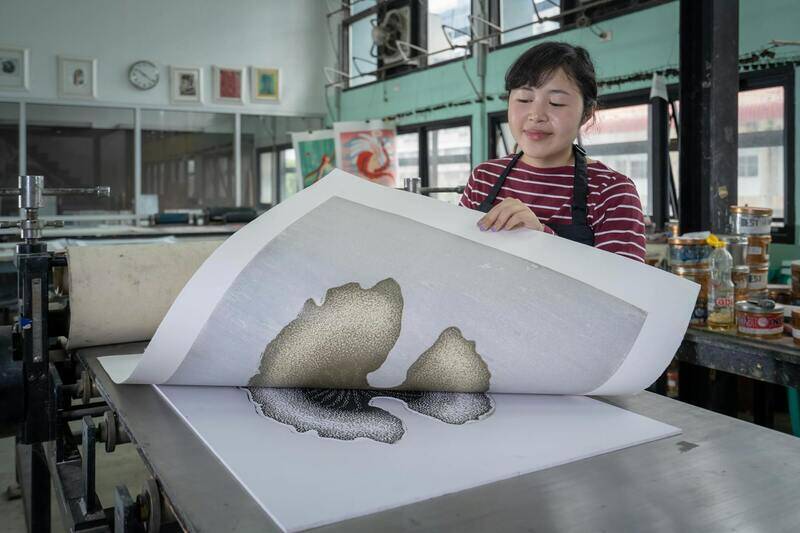
When scaling up photo prints, resolution and color accuracy are vital to avoid pixelation and color discrepancies. The optimal resolution depends on viewing distance; typically, a resolution of 150-300 dpi is suitable for large-format images viewed from a distance, such as murals or banners. For closer inspection, higher resolutions may be necessary.
Color management plays a key role in ensuring consistency. This involves calibrating monitors, printers, and validation of output using color profiles and soft-proofing techniques. Proper file preparation—such as embedding ICC profiles, using lossless formats like TIFF, and maintaining sufficient image resolution—is crucial for high-quality outputs.
Additional Techniques for Achieving High-Quality Large Photo Results
- Tiling and Stitching: For extremely large images, digital tiling or panoramic stitching software can assemble multiple high-resolution images into a seamless, large-scale print without losing detail.
- Image Enhancement: Applying sharpening, contrast adjustments, and noise reduction ensures the image remains crisp and vibrant after enlargement.
- Proofing and Test Prints: Before committing to final large-scale printing, small test sections or partial proofs allow for color correction and material testing, minimizing costly reprints.
Preparing High-Resolution Images for Large Prints
High-quality large photo prints necessitate meticulous image preparation to ensure that final outputs are sharp, vibrant, and true to the original scene. Achieving this requires a comprehensive understanding of optimal image resolution, color accuracy, and file formatting, adapted specifically for expansive formats.
Optimal Resolution and Image Resolution Considerations
A fundamental factor in large photo printing is the image resolution, typically measured in pixels per inch (ppi) or dots per inch (dpi). While smaller prints benefit from higher dpi settings, large-scale prints are often viewed from greater distances, allowing for slightly lower resolutions without sacrificing perceived image quality. Generally, resolution settings between 150-300 dpi are recommended based on viewing distance and the intended display environment.
- Digital Resolution Standards: For a wall mural or panoramic banner intended for distant viewing, a resolution of approximately 150 dpi is adequate. Conversely, for close-up viewing, such as in galleries or retail displays, a higher resolution near 300 dpi enhances detail retention.
- Pixel Dimensions: When preparing images, ensure that pixel dimensions match the physical output size multiplied by the chosen dpi setting. For example, a 10-foot wide print (about 120 inches) at 150 dpi should have a width of at least 18,000 pixels (120 inches x 150 dpi).
Color Management and Calibration
Color consistency plays a crucial role in large photo printing. Proper color management workflows—encompassing monitor calibration, color profiling, and soft-proofing—help bridge the gap between digital and printed colors. Use embedded ICC profiles in image files to maintain color fidelity throughout the printing process, and utilize soft-proofing techniques to preview potential output discrepancies.

File Formats and Saving Techniques
Choosing the correct file format and resolution is vital for maximizing print quality. Lossless formats like TIFF or PSD preserve image integrity, avoiding compression artifacts that could compromise details. When preparing files, embed ICC profiles and target color spaces to facilitate precise color reproduction and consistency across different devices and media.
Techniques for Enhancing Image Quality Before Printing
In many cases, digital image enhancement can significantly improve large print outcomes. Techniques include:
- Sharpening: Applying appropriate sharpening filters enhances edge clarity, which is especially important after enlargement.
- Contrast and Brightness Adjustments: Fine-tuning these parameters can help maintain image vibrancy and depth in the final print.
- Noise Reduction: Removing digital noise ensures smooth gradients and consistent tone, critical for large-scale visuals.
Careful application of these techniques, tailored to the specific image and display context, leads to a seamless, vibrant final product.
Utilizing Tiling and Stitching for Extra-Large Designs
For extremely large images surpassing standard printer dimensions, digital tiling and stitching techniques offer practical solutions. These methods involve assembling multiple high-resolution images captured with overlapping areas or side-by-side shots, then stitching them into a cohesive, detailed composite. Software tools designed for panorama stitching or tiled printing facilitate precise alignment and blending, resulting in large, high-fidelity prints without sacrificing critical details.

Applying these strategies ensures that even the most ambitious visual projects are executed with precision, vibrant color, and sharp detail, making the final large photo prints visually compelling and suitable for expansive displays or exhibitions.
Mounting and Finishing Large Photo Prints
Proper mounting and finishing are critical steps in ensuring the longevity and visual impact of large photo prints. These processes not only enhance the aesthetic appeal but also provide protection against environmental factors such as humidity, UV exposure, and physical damage.
Common Mounting Techniques
- Dry Mounting: This method involves adhering the print directly onto a rigid backing material using a heat press, resulting in a smooth, bubble-free surface. It is ideal for displays where a sleek, frameless appearance is desired.
- Framed Mounting: Combining the print with a sturdy frame not only elevates the presentation but also simplifies handling and transportation. Frames can be custom-made to match the decor, with options ranging from traditional wooden frames to modern aluminum profiles.
- Floating Mounts: For a contemporary look, prints can be mounted with space between the artwork and the backing surface, creating a floating effect that emphasizes size and depth.
Protective Coatings and Finishing
Applying an appropriate protective coating helps preserve the vibrancy and integrity of large photo prints. Popular options include:
- UV-Coatings: These overlays block ultraviolet rays, preventing fading and discoloration caused by sunlight.
- Laminates: Laminating provides a durable surface resistant to scratches, moisture, and dirt. It is often used for high-traffic display environments.
- Varnishes: Clear varnish coatings can add a glossy or matte finish, enhancing visual depth and reducing glare.
Finishing Touches
Additional finishing techniques can further boost the presentation quality of large photo prints:
- Edge Taping: Sealing the edges with a protective strip prevents fraying and damage over time.
- Mounting Supports: Using sturdy hanging hardware designed for heavy displays ensures safety and stability when installing large prints.
- Backings and Spacers: Adding foam board or spacers behind the print can help prevent warping and facilitate better visual appreciation.
Understanding Large Photo Prints
Creating massive photographic displays involves more than just enlarging an image. It requires a careful balance of high-resolution imagery, appropriate materials, and precise printing techniques to ensure that the final product maintains clarity, color accuracy, and durability at large scales. The process is rooted in understanding the specific requirements of large format printing, including image resolution, substrate compatibility, and finishing options, all aimed at producing a striking visual impact.
Materials and Substrates for Huge Photo Prints
The choice of material or substrate plays a vital role in the presentation and longevity of large-scale images. Common options include:
- Canvas: Offers a textured, artistic finish. Ideal for creating gallery-quality displays with a classic look, and easily stretched over frames for a professional feel.
- Photo Paper: Heavyweight gloss or matte papers that provide vibrant colors and fine details. Suitable for indoor displays where image clarity is paramount.
- Vinyl Films: Durable and weather-resistant, perfect for outdoor applications or signage that must withstand the elements.
- Fabric Banners: Lightweight and portable, ideal for event backdrops or promotional displays.
- Acrylic Panels: Create a contemporary, sleek appearance with high transparency and depth, often combined with backlighting for dramatic effects.
Printing Technologies for Large Photos
Choosing the right printing technology is crucial for achieving high-quality large photo prints. The predominant methods include:
- Giclée Printing: A high-end inkjet process using pigment inks that produce rich, detailed images with excellent color fidelity. Ideal for gallery presentations and art reproductions.
- UV Printing: Utilizes ultraviolet light to instantly cure inks on rigid surfaces like acrylic or wood, enabling vibrant and durable prints suitable for various environments.
- Solvent and Eco-Solvent Printing: Suitable for outdoor advertising, these methods produce weather-resistant images with deep color saturation.
- Dye Sublimation: Transfers dye-based inks onto specially coated substrates, producing vibrant and durable large-format images, particularly on fabrics and plastics.
Preparing High-Resolution Images for Large Prints
To ensure clarity and detail when enlarging images to massive sizes, image files must be prepared meticulously. Key considerations include:
- Resolution: Aim for at least 300 DPI (dots per inch) at the final print size. For example, a print measuring 10 feet wide should have an image resolution of no less than 9000 pixels across.
- File Format: Use uncompressed, high-quality formats such as TIFF or RAW. These formats retain maximum detail and color information during printing.
- Color Profile: Embed accurate color profiles (e.g., Adobe RGB or sRGB) to control color consistency across devices and materials.
- Image Editing: Conduct meticulous editing to adjust brightness, contrast, and sharpness. Minimize noise and artifacts, especially in shadows or dark areas, to prevent them from becoming exaggerated at large sizes.
Design and Layout Considerations
Designing for large photo prints demands attention to composition and visual flow. Consider these points:
- Aspect Ratio: Maintain the original aspect ratio or adjust it carefully to avoid distortion. Common aspect ratios include 4:3, 3:2, or custom ratios that match the intended display space.
- Visual Focus: Large prints should have a clear focal point that draws the viewer's eye. Avoid cluttered backgrounds or overly complex compositions that can diminish impact at scale.
- Breaks and Segmentation: For exceptionally large images, consider dividing the artwork into sections or panels that can be installed separately, creating a panoramic or multi-part display.
Mounting and Finishing Large Photo Prints
Handling the installation and finishing of extensive photo displays requires careful planning to ensure durability and aesthetic appeal:
- Frame Selection: Choose frames that complement the image while providing structural support. Frames should be sturdy enough for transportation and long-term display.
- Protective Coatings: Applying UV coatings or laminates can shield the print from fading, moisture, and scratches. These coatings also enhance color vibrancy and surface durability.
- Mounting Hardware: Use heavy-duty hardware such as steel cables, brackets, or specialized hanging systems designed for substantial weight. Proper hardware ensures safety and reduces the risk of damage.
- Surface Treatments: For a modern look, floating mounts or invisibly framing the print can emphasize size and create visual depth. Additionally, spacers or backings can prevent warping and make cleaning easier.
Understanding Large Photo Prints
Huge photo prints serve as remarkable visual statements, capable of transforming any space with their vivid details and impressive scale. The process begins with understanding the importance of selecting the right materials and technical specifications to guarantee that the final product meets both aesthetic expectations and durability requirements. Ambitions to display a panoramic landscape, a cherished family image, or a corporate branding message in a prominent location necessitate a focus on high-resolution imagery and precise printing techniques that can handle large formats without loss of clarity.
Materials and Substrates for Huge Photo Prints
The foundation of a successful large photo print relies heavily on choosing suitable substrates. Options range from traditional paper-based materials to durable, weather-resistant surfaces suitable for outdoor use. Common substrates include:
- Print Canvas: Provides a textured, artistic look, ideal for gallery displays, available in various thicknesses and finishes.
- Vinyl Banners: Durable and flexible, suited for both indoor and outdoor environments, with options for matte or gloss finishes.
- Metal Sheets: Aluminum or aluminum composite materials lend a modern, sleek aesthetic with high durability, especially in outdoor settings.
- Acrylic Panels: Offer a premium appearance with vibrant color reproduction, excellent for framing and wall mounting.
- Canvas and Fabric: Perfect for a softer presentation, resistant to fading, and easily stretched over frames for a professional look.
Printing Technologies for Large Photos
Achieving high-quality large photo prints depends heavily on the technology employed by the printing provider. The most advanced and widely used methods include:
- UV Printing: Utilizes ultraviolet light to cure inks instantly, resulting in vibrant images with excellent adhesion and scratch resistance, ideal for rigid substrates like metal and acrylic.
- Wide-Format Inkjet Printing: Employs large printers with high resolution capabilities, suitable for flexible surfaces like canvas or vinyl, delivering fine detail and smooth color gradients.
- Solvent/Eco-Solvent Printing: Offers weather-resistant prints with rich, saturated colors, perfect for outdoor displays and banners.
- Dye Sublimation: Transfers dye-based inks onto specially coated surfaces, commonly used for polyester fabrics, producing vivid and durable images.
Preparing High-Resolution Images for Large Prints
Before sending artwork or photographs to print, ensuring the image quality is paramount. To optimize images for large-format printing:
- Use images with a minimum resolution of 300 DPI at actual print size to maintain sharpness and detail.
- Employ image editing software to enhance sharpness, color accuracy, and contrast, avoiding pixelation or blurriness.
- Utilize vector graphics when possible for logos and text, as these can scale infinitely without loss of quality.
- Check aspect ratio compatibility to prevent distortion, cropping, or unintended stretching.
- Save files in lossless formats such as TIFF or high-quality JPEGs for optimal printing results.
Design and Layout Considerations
Designing for large photo prints entails specific considerations to maximize visual impact. These include:
- Implementing a strong focal point to draw viewers’ attention immediately.
- Using negative space strategically to prevent clutter and enhance the overall aesthetic.
- Careful placement of key elements, keeping in mind viewing distances and scale.
- Considering the environment where the print will be displayed and adjusting brightness, contrast, and color saturation accordingly.
- Creating a balanced composition that remains impactful from various angles and distances.
Mounting and Finishing Large Photo Prints
Mounting large prints requires precision to ensure longevity and presentation quality. Techniques include:
- Choosing appropriate framing that complements the image and provides structural support, especially for outdoor installations.
- Applying protective coatings such as UV lamination to prevent fading and surface damage over time.
- Utilizing heavy-duty mounting hardware like steel cables, hanging brackets, or specialized anchors to support weight and distribution.
- Implementing modern display solutions such as floating mounts or seamless backing systems to add a contemporary aesthetic.
- Maintaining proper spacers or backings to avoid warping, facilitate cleaning, and improve overall appearance.