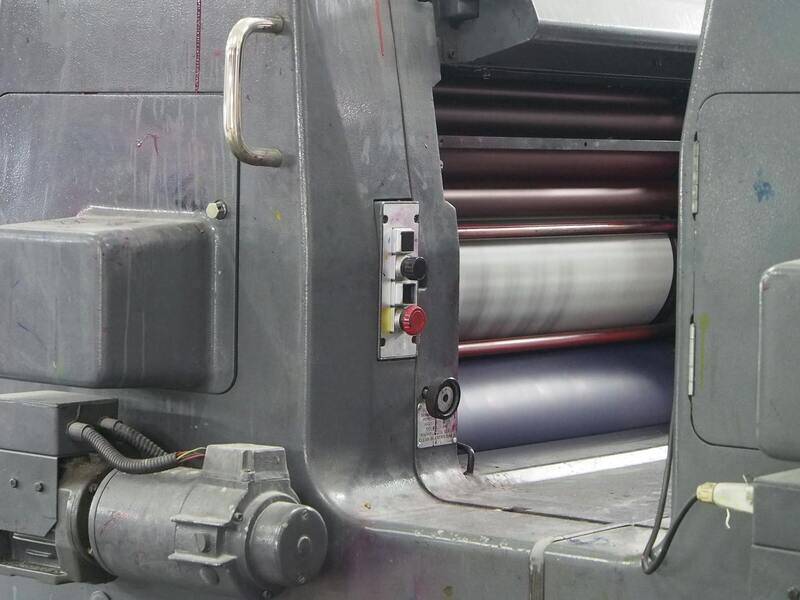
Understanding Huge Picture Prints
Huge picture prints have become an increasingly popular way to make a bold visual statement, whether in residential, commercial, or functional spaces. These large-scale images extend beyond the typical framed print, transforming environments with their striking presence. The core aspect of a huge picture print involves reproducing high-resolution imagery at an immense scale, maintaining clarity and detail for an eye-catching effect. Common uses range from expansive wall murals in retail stores and office lobbies to personalized art pieces in homes, and promotional displays at events or exhibitions. Their versatility hinges on both their visual impact and their ability to convey messages or sentiments on a grand scale.

The creation of huge picture prints involves more than just enlarging an image; it involves selecting the appropriate materials, printing technologies, and finishes that accommodate size while preserving image quality. The key to achieving stunning results lies in understanding the specific requirements of each project—whether it's a wall covering in a corporate setting, a bespoke piece for a gallery, or a backdrop for a special event. Proper planning ensures the final print aligns with the intended aesthetic and functional goals, providing a visually compelling experience.
Materials and Substrates for Large Prints
Choosing the right material is fundamental for ensuring durability, image fidelity, and ease of installation. Popular substrates for huge picture prints include vinyl, canvas, fabric, and rigid materials such as foam board or acrylic. Vinyl offers water resistance and flexibility, making it ideal for murals and outdoor applications. Canvas and fabric options provide a textured finish that adds depth and artistic appeal, well-suited for interior decor. Rigid substrates are perfect for mounting in spaces where a sleek, modern appearance is desired, and they can support complex shapes or mounting systems easily.
High-quality printing surfaces are engineered to handle the detailed reproduction of high-resolution images, ensuring vibrancy and durability over time. Surface finishes, such as matte, gloss, or satin, further influence visual effects and suitability based on lighting conditions and viewing angles.
Choosing a Printing Technology
The selection of printing technology plays a crucial role in the clarity, color accuracy, and longevity of huge picture prints. The two most common methods are solvent or eco-solvent printing and UV flatbed printing. Solvent printers are renowned for producing highly vibrant images with excellent outdoor durability, making them ideal for large-format murals or signage that require weather resistance. UV flatbed printers are versatile, capable of printing directly onto rigid substrates, which suits applications that demand sharp detail and high resolution.
Advanced printing techniques also incorporate digital inkjet technology, which ensures precise color matching and fine detail rendition. Ensuring the chosen technology can handle the size and material of the substrate is essential for achieving optimal results.
Design Considerations for Large Images
Designing for large-format printing involves attention to resolution, image quality, and scalability. High-resolution images, generally at least 150 dpi at full size, are critical for maintaining sharpness when enlarged. Designers must also consider the viewing distance; images intended for close inspection should have higher resolution and detail, while those viewed from afar can tolerate slightly lower resolutions.
Color management is crucial—accurate color profiles ensure that the printed image matches digital design intent. Additionally, considering aspect ratios, composition, and focal points helps create visually balanced and engaging large-scale images. Incorporating guides or grids during the design phase can aid in aligning elements and ensuring that key features are not lost during production.
Size and Dimensions of Huge Picture Prints
The size of a huge picture print varies based on the installation space and purpose. Common dimensions range from several feet to entire walls, with measures often exceeding 10 feet in width and height. When determining size, it’s important to account for viewing distance, with larger images functioning better from farther away to minimize the perception of pixelation or loss of detail. Accurate measurement of the installation area, along with professional recommendations, helps in selecting dimensions that serve both aesthetic and functional requirements.
Aspect ratio considerations also influence the overall composition. Maintaining consistent ratios prevents distortion and ensures that images appear natural and proportionate in their final form.
Installation and Mounting Options
Installing huge picture prints requires specialized techniques and hardware to ensure safety and durability. Options include wall murals adhered with high-quality adhesives, framing with support structures for rigid prints, or tensioning systems that prevent sagging or warping. For outdoor or high-traffic areas, weather-resistant mounting hardware is vital.
Proper installation not only secures the print but also contributes to the overall visual effect. Skilled professionals can handle precise alignment, bonding, and finishing touches to create seamless and impactful displays. Maintaining the integrity of the print during installation is essential for longevity and aesthetic appeal.
Cost Factors and Budgeting for Large Prints
The price of huge picture print projects depends on several variables, including size, material selection, printing technology, and installation complexity. Larger sizes inherently require more materials and extended production times, influencing overall costs. Premium substrates and finishes further add to expenses, but they provide extended durability and better visual quality.
Budgeting should also consider additional costs such as professional consultation, design adjustments, and installation services. Carefully balancing quality expectations with budget limitations ensures a successful project that meets both visual and financial goals.
Selecting a Printing Service Provider
Choosing the right service provider is crucial for achieving high-quality results. Look for providers with a proven track record in large-format printing, modern equipment, and experience working with diverse materials. Reading reviews, requesting portfolio samples, and verifying technical capabilities help ensure the provider can handle the specific requirements of a huge picture print project.
Effective communication with the service provider about specifications, timelines, and expectations will streamline the process and lead to a successful outcome. Professional consultation also helps in selecting appropriate materials and finishes to optimize the final product.
Materials and substrates for large prints
Selecting the appropriate materials and substrates is fundamental to achieving the desired visual impact and durability of huge picture prints. Different surfaces and materials cater to various environments, aesthetic preferences, and longevity requirements. Understanding the options available allows for informed decision-making aligned with project goals.
Among the most common substrates for large-format printing are vinyl banners, canvas fabrics, film, and rigid materials such as foam board or aluminum panels. Each has distinctive characteristics suited to specific settings:
- Vinyl: Known for its durability and weather resistance, vinyl is ideal for outdoor signage and large banners. It maintains color vibrancy over extended periods, even under exposure to sunlight and moisture.
- Canvas: Used predominantly for fine art reproductions or decorative wall prints, canvas offers a textured appearance that adds a tactile dimension to images. High-quality canvases are available with various finishes to enhance color depth and longevity.
- Rigid Substrates: Materials such as foam core, acrylic, or aluminum panels provide sturdy, wall-mounted options. They are perfect for museum-quality displays or installations requiring a sleek, modern look.
- Specialized Films: Transparent or reflective films can be employed for unique visual effects or window displays, adding versatility to large-format printing projects.
Consider environmental conditions and the intended display location when choosing a substrate. For example, outdoor settings demand weatherproof materials, while indoor applications might prioritize aesthetic texture and ease of installation. Additionally, surface treatment options like matte, gloss, or satin finishes influence how light interacts with the print, affecting both visual appeal and glare reduction.
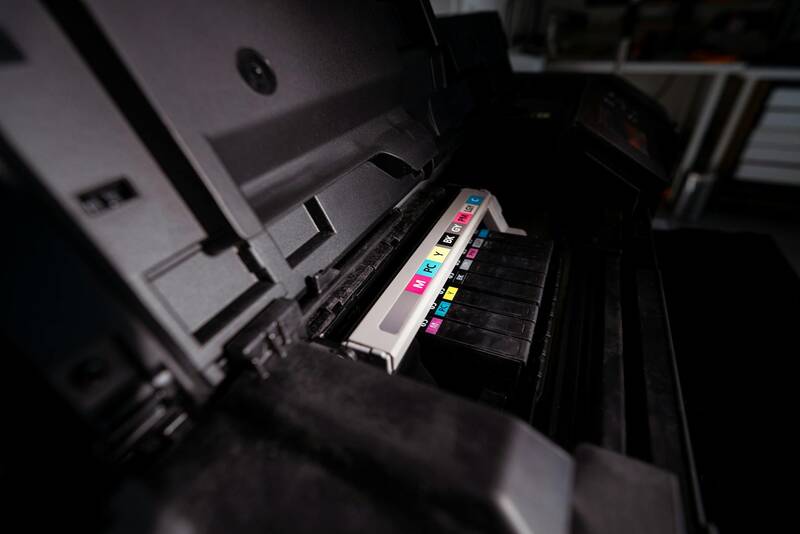
Choosing the right material for your project
Effective material selection involves balancing visual requirements, environmental resilience, and budget considerations. Collaborating with a printing specialist can provide valuable insights into the best substrates for specific contexts, ensuring that the final product achieves both aesthetic and functional goals.
Understanding huge picture prints
Creating impactful, large-scale images requires an understanding of the fundamental principles behind huge picture prints. These prints serve as statement pieces, transforming spaces with their visual presence, and require specific considerations to ensure quality and durability. The choice of image resolution, file preparation, and aspect ratio are critical factors that influence the final outcome. Ensuring high-resolution source files curtails pixelation and maintains sharpness at expansive sizes. Proper file formats and color profiles should be employed during preparation to preserve color accuracy and vibrancy. When working on such sizable projects, working closely with professional printers helps translate creative visions into impressive physical displays. They can advise on necessary image adjustments, cropping, and orientation to optimize the visual impact. Additionally, understanding how lighting interacts with large prints—whether natural or artificial—can influence placement and material choice for the best aesthetic results. Seamless integration into the display environment ensures that the large print complements the space while delivering the intended message or aesthetic.

Key factors in creating large picture prints
- Image resolution and DPI considerations
- Cropping and aspect ratio management
- Color accuracy and profile management
- Material selection matching the environment and aesthetic goals
- Lighting and placement planning
Each aspect plays a role in ensuring the final print is both visually stunning and durable over time. Meticulous preparation and collaboration with experienced printing professionals can mitigate common issues such as distortion, color mismatches, or surface reflections that undermine visual quality. For large-format projects, a comprehensive approach to pre-press preparation, combined with expert advice on the appropriate substrates and printing techniques, guarantees a harmonious balance between artistic vision and practical execution.
Understanding huge picture prints
Creating large-format images necessitates a thorough comprehension of various technical and artistic aspects to achieve a visually captivating final result. The process involves not only selecting the appropriate image but also considering the physical and visual environment where the print will be displayed. High-resolution images are essential to prevent pixelation and ensure clarity at large sizes. When images are scaled up, the details must remain crisp, which requires proper resolution settings and image processing techniques.
Key considerations for producing impressive huge picture prints include:
- Resolution and DPI: Ensuring the original image has a high enough resolution to maintain sharpness at the desired size, typically maintaining 150-300 DPI depending on viewing distance.
- Aspect ratio: Matching the aspect ratio of the image to the print size helps prevent unwanted cropping or distortion, preserving the original composition.
- Color fidelity: Accurate color reproduction hinges on proper calibration of the digital files and the printer’s color profiles, enabling vibrant and true-to-original hues.
- File preparation and cropping: Strategic cropping and image adjustments focus attention on the main subject, enhancing visual impact without compromising composition.
- Lighting considerations: The interplay of lighting, both natural and ambient, influences how large prints are perceived in the display environment. Thoughtful placement can emphasize details and mitigate reflections or glare.
Meticulous planning and collaboration with experienced professionals are crucial to mitigate common issues such as color mismatches, distortion, or surface reflections that may diminish the visual appeal. By choosing quality materials and ensuring precise image preparation, one can create large picture prints that are not only striking but also durable over time.
Design considerations for large images
When creating huge picture prints, meticulous attention to design elements is essential to achieve a visually compelling and impactful display. The overall design must accommodate the scale of the print, ensuring that the image remains clear, balanced, and engaging.
- Image resolution and clarity: High-resolution images are paramount. Designers should work with files that have sufficient pixel density, typically 150-300 DPI at the intended viewing distance. This ensures that images do not appear pixelated or blurry when enlarged, maintaining crisp detail and sharpness throughout the print.
- Aspect ratio considerations: Preserving the aspect ratio of the original image prevents undesired cropping or distortion. When preparing the digital file for printing, maintaining the correct proportions ensures that the final output aligns with the intended composition, preserving the integrity of the visual message.
- Color accuracy and calibration: Achieving true-to-life hues requires calibrated monitors and color profiles compatible with the printing device. Accurate color management ensures vibrant, consistent, and faithful reproduction of the original image’s palette, which is critical in large-scale displays where color nuances are highly perceptible.
- Strategic cropping and focal points: In large prints, directing viewers' attention to the main subject through thoughtful framing and cropping enhances visual impact. Margins and negative spaces can help balance the overall composition, preventing overwhelming visual clutter in expansive images.
- Lighting and glare considerations: The display environment significantly influences the perception of large prints. Optimizing placement to minimize glare, reflections, and uneven lighting enhances the visibility of fine details. If natural light is involved, positioning the print to avoid direct sunlight can prevent fading and surface damage over time.
It is advisable to collaborate with experienced graphic designers and printing professionals during the design process. Their expertise ensures the image’s scale, resolution, and colors are appropriately adapted for large-format production, avoiding issues such as loss of detail or color mismatches that can compromise visual quality.
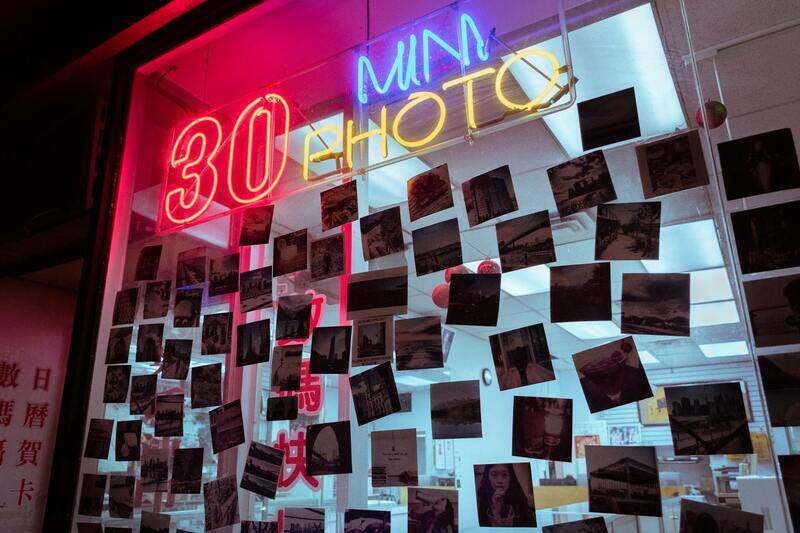
Understanding huge picture prints
Large-scale photo printing involves transforming digital images into impressive physical displays that can span several feet or even entire walls. These prints serve a variety of purposes, from artistic exhibitions and commercial advertising to personal home decor. Given their size, they require careful planning and execution to ensure the final product maintains clarity, color fidelity, and structural integrity. The process starts with selecting the appropriate image resolution; high-resolution files are essential to prevent pixelation when enlarged. Additionally, understanding the viewing distance is crucial—images intended for close inspection demand finer detail and higher resolution, whereas those viewed from afar can work with slightly lower resolutions.
It is vital to consider how the image's composition and focal points translate at a larger scale. Effective huge picture prints often leverage bold, high-contrast visuals that draw immediate attention and evoke emotional impact. Properly handling details such as color gradients, shadowing, and fine textures ensures that the enlarged print retains depth and vibrancy. Sharpness must be maintained throughout the scaling process, often requiring a balance between enhancing details without introducing halos or artifacts. Precision in these aspects ensures that the visual message remains compelling and accurately represented, regardless of size.
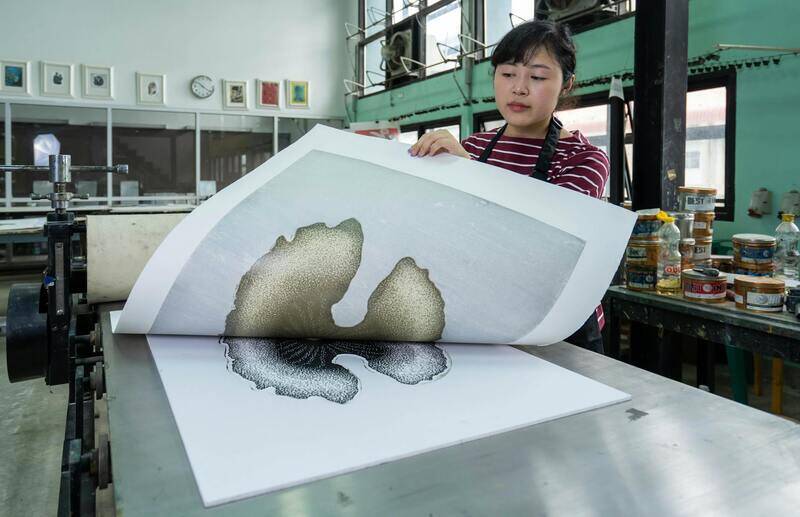
Materials and substrates for large prints
The choice of materials plays a pivotal role in the durability and visual appeal of huge picture prints. Common substrates include< UL >
Choosing the right printing technology
Advances in printing technology provide several options for producing large-format images, each with distinct advantages. Inkjet printing, especially with piezoelectric models, is renowned for its high resolution and color fidelity, making it suitable for detailed photographic reproductions and fine art prints. Solvent and eco-solvent printers are preferred for outdoor displays due to their durability and resistance to fading caused by UV exposure. UV-curable printers offer rapid curing times and produce crisp images on rigid substrates, ideal for signage and mounting applications.
Flatbed printers are particularly useful for printing directly onto rigid materials like acrylic and aluminum, reducing the need for mounting. On the other hand, roll-fed printers excel in producing large banners and wallpaper prints with seamless designs. The selection of a printing method depends on the desired longevity, environmental conditions, budget, and material compatibility. Collaborating with a knowledgeable printing service ensures the chosen technology aligns with the specific display requirements for durability and visual quality.

Understanding huge picture prints
Creating impressive large-format images requires careful consideration of several technical and material factors. Large picture prints serve as impactful visual elements in various settings, such as corporate environments, galleries, outdoor advertising, and personal displays. To achieve remarkable results, it is essential to understand the nuances of scaling images without losing detail or visual clarity. High-resolution images are imperative, as scaling up diminishes pixel density, potentially affecting image sharpness. Therefore, sourcing high-quality digital files with sufficient resolution is a fundamental step. Additionally, the aspect ratio of the image must be maintained to avoid distortions during enlargement. Proper planning ensures that the final print maintains the original artistic or photographic intent, with colors rendered accurately and details preserved. Considerations around viewing distance also influence design choices: images intended for close inspection demand higher resolution and finer detail, while those viewed from afar can be produced at lower resolutions without compromising visual impact.

Materials and substrates for large prints
The choice of substrate plays a pivotal role in the appearance and durability of huge picture prints. Common materials include vinyl, fabric, canvas, aluminum, acrylic, and specialized paper types. Vinyl and fabric are versatile options for indoor and outdoor use; vinyl offers weather resistance, while fabric provides a matte finish that minimizes glare. Canvas lends a fine art aesthetic, ideal for galleries and interior decor, thanks to its textured surface that enhances visual depth. Rigid substrates like aluminum and acrylic are suited for high-end displays, offering sleek, modern appearances with vibrant color reproduction. These materials also provide enhanced rigidity, minimizing warping and sagging over time. When selecting a substrate, consider environmental exposure—whether the print will be installed outdoors, where UV and moisture resistance are critical, or indoors, where aesthetic considerations take precedence. Proper surface preparation, including coating or primer application, improves adhesion and longevity of the print on the substrate.
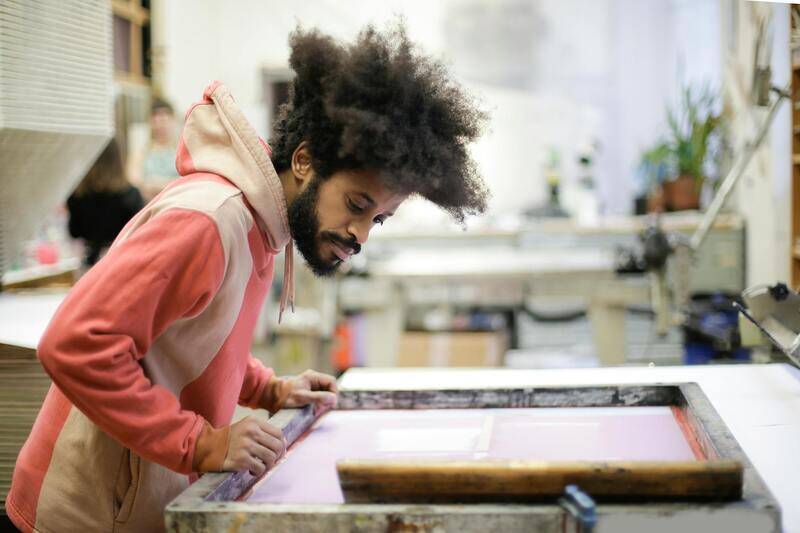
Choosing the right printing technology
Advances in large-format printing technology have expanded creative possibilities, enabling the production of high-quality, detailed images in massive sizes. Inkjet printers equipped with piezoelectric heads dominate this space due to their precision and high resolution, delivering exceptional color accuracy and fine detail. Solvent and eco-solvent printers excel for outdoor applications, providing resistance to weather and UV exposure, ensuring vibrant colors over extended periods. UV-curable printers, capable of printing directly onto rigid surfaces like acrylic or metal, are ideal for signage and decorative installations that require sharp images with immediate curing. Flatbed printers allow direct printing onto rigid substrates, reducing assembly steps and enhancing logistical efficiency. Roll-fed printers are optimal for continuous banner production, offering seamless designs in various widths. Selecting the appropriate technology hinges on the intended use, environmental conditions, budget constraints, and the specific material compatibility. Collaborating with experienced printing professionals guarantees the outcome aligns with resilience standards and visual expectations.
Design considerations for large images
Designing for huge picture prints demands attention to detail that differs from standard-sized graphics. Image resolution must be carefully adjusted; larger prints tolerate lower pixel density if viewed from a distance, but high DPI remains essential for close inspection. Incorporating bold, legible typography and clear focal points ensures visual impact at large scales. Color accuracy and contrast are vital, especially for photographic reproductions and branded content, to maintain consistency with original visuals. Use of vectors and scalable graphics preserves sharpness, but raster images must be high-resolution. Margins and bleed areas should be accounted for during design to prevent unwanted trimming. Consider the installation environment to determine appropriate lighting and glare reduction strategies, such as matte finishes or anti-reflective coatings. Balancing aesthetic appeal with practical readability makes a significant difference in the overall effectiveness of huge picture prints.
Size and dimensions of huge picture prints
Determining the ideal size and dimensions for large prints involves analyzing the intended display space and viewing distance. Specifying exact measurements ensures the image fits harmoniously within the environment, whether it spans an entire wall or serves as a feature piece. When planning, consider standard aspect ratios or customize dimensions to suit specific design goals. For outdoor signage or billboards, sizes often reach several meters in width and height, demanding precise calculations for resolution and production. Indoor installations benefit from scaled-down but equally impactful sizes that complement the surrounding architecture. Use of grid systems and visual mock-ups in early phases helps clients visualize final results, enabling adjustments before production begins. Optimization for structural support and installation access is also crucial for ensuring stability and safety during mounting. Size and dimension planning is a strategic process that ensures the final piece fulfills both aesthetic and functional requirements.
Installation and mounting options
Proper installation is essential to maximize the visual impact and ensure the longevity of huge picture prints. Several mounting solutions are available, each suited to different environments and material types. Wall-mounted systems, using heavy-duty brackets, rails, or cleats, provide sleek, flush displays compatible with rigid substrates like aluminum and acrylic. For fabric or vinyl banners, tensioning systems and pole pockets facilitate smooth, rip-free hanging. Freestanding displays and custom frames offer a versatile approach for interior exhibitions, allowing for easy repositioning and access. Outdoor installations often require weatherproof fixtures, such as stainless steel hardware and secure anchors, to withstand environmental stressors. Adhesive mounting or industrial-grade tapes may be suitable for smaller or lightweight images, but for large, heavy prints, mechanical fasteners are recommended. Safety considerations, such as wind resistance and structural integrity, must be addressed, especially for outdoor billboards or large-format murals. Professional mounting ensures that the visual presentation remains impeccable over time, with minimal maintenance required.
Understanding huge picture prints
Creating impressive, large-scale visuals requires a precise approach to printing, ensuring that every detail is sharp, colors are vibrant, and the final product is durable. When considering huge picture prints, it is essential to understand the careful balance between quality materials, advanced printing technologies, and meticulous project management. The goal is to produce a display that captures attention and conveys your message effectively, whether for commercial advertising, art exhibitions, or personal displays.
Materials and substrates for large prints
Selection of the appropriate substrate significantly impacts the final appearance and longevity of huge picture prints. Rigid materials such as aluminum dibond, acrylic sheets, and PVC foam boards are popular choices for their durability and ability to produce crisp, detailed images without warping or sagging. For flexible options, high-quality fabrics like canvas, mesh, or vinyl banners offer versatility and visual appeal, especially for outdoor or large-scale interior displays.
Each substrate offers different benefits depending on the intended application, environment, and mounting method. For instance, aluminum composites provide a sleek, modern aesthetic suitable for corporate environments, while textured canvas can add artistic flair to gallery installations. When selecting materials, consider UV resistance, weatherproofing, and ease of mounting to ensure the print maintains its vibrancy and structural integrity over time.
Choosing a printing technology
The core of producing high-quality huge picture prints lies in utilizing the right printing technology. Large-format inkjet printers equipped with solvent, eco-solvent, UV-curable, or latex inks are industry standards, each offering specific advantages.
- Solvent and Eco-solvent Printing: Known for excellent color vibrancy and outdoor durability, making them ideal for banners, billboards, and murals.
- UV-curable Printing: Produces highly detailed images on rigid substrates with instant curing, suitable for signage and gallery displays.
- Latex Printing: Offers eco-friendly benefits, flexibility on various materials, and good resistance to weathering, suitable for versatile applications.
Choosing the appropriate printing method depends on factors such as the intended use, budget, and environmental considerations, ensuring optimal image quality and longevity.
Design considerations for large images
Design plays a pivotal role in the effectiveness of huge picture prints. High-resolution files are fundamental to maintain clarity and detail when enlarged. Minimum DPI (dots per inch) settings should typically be 150-300 for large-format prints; anything lower risks pixelation or blurriness.
When preparing artwork, consider the viewing distance; the farther away an image is meant to be viewed, the lower the optimal DPI. Ensure the composition is balanced, with focal points appropriately scaled for visibility at large sizes. Color calibration is crucial to preserve vibrancy and consistency across the entire print.
Advanced cropping, layering, and touch-up techniques help enhance the visual impact, while attention to bleed and margin areas prevents unwanted borders or cutting issues during trimming or mounting.
Size and dimensions of huge picture prints
Dimension planning for huge prints involves precise measurement along with an understanding of the space where the artwork will be displayed. Common sizes start from several feet and extend to entire walls or building facades, but the key is ensuring the print complements the environment without overwhelming or underwhelming the setting.
It's important to factor in resolution, aspect ratio, and potential distortion. Custom sizes might require special equipment and planning to ensure the image remains sharp and proportionate once enlarged. For interior installations, accurately measuring wall dimensions, lighting conditions, and viewer proximity will influence the appropriate size selection.
Installation and mounting options
The method of mounting hugely impacts both the visual appeal and durability of the final display. For rigid substrates like aluminum or acrylic, wall-mounted systems such as standoffs, rails, or frameless setups provide a clean, modern look. Using industrial-grade hardware ensures stability, especially for outdoor displays exposed to varying weather conditions.
Flexible substrates like vinyl banners and fabric can be tensioned using specialized hardware or pole pockets, providing smooth, ripple-free surfaces. Freestanding structures, including frames and easels, are suitable for temporary exhibitions or indoor displays that require frequent repositioning. Outdoor installations must incorporate weatherproof fixtures, including stainless steel hardware, secure anchors, and protective coatings to resist corrosion.
Adhesive mounting techniques, such as industrial tapes or adhesives, can be effective for lightweight or smaller prints but are generally limited in supporting very heavy structures. For maximum safety, installation teams should assess wind loads, structural support, and environmental factors to choose the most appropriate mounting system.
Cost factors and budgeting for large prints
Estimating costs for huge picture prints involves multiple variables including material selection, print size, desired resolution, and mounting requirements. Larger sizes naturally incur higher expenses due to increased material use and the need for specialized printing equipment. High-quality substrates and inks contribute significantly to costs but are essential for durability and visual fidelity.
Additionally, budget planning should include installation and transportation fees, especially for outdoor or high-traffic areas. Investing in professional installation services ensures safety and maximizes visual impact, though it adds to overall expenditures.
To optimize spending, it is advisable to obtain multiple quotes from reputable providers, scrutinize included services such as finishing, lamination, or framing, and consider long-term value over initial costs. Prioritizing quality over quantity ensures that the large-scale print remains an effective and lasting display without the need for frequent replacement or repairs.