Understanding Oversize Photo Prints
Oversize photo prints refer to large-format images created on materials suitable for display in expansive environments or for making a significant visual impact. These prints typically measure significantly larger than standard photo sizes, which generally fall within 4x6 inches to 24x36 inches. Standard photography prints are designed to fit conventional frames and browsing contexts, but oversize prints extend beyond these dimensions to serve specialized decorative and promotional purposes.
Common dimensions for oversize photo prints include sizes such as 40x60 inches, 60x90 inches, or even larger, depending on specific requirements. These large-format prints are often used for murals, banners, wall art, or event displays. One of the primary characteristics that set oversize photo prints apart from standard-sized photos is the necessity for high-resolution image files and advanced printing techniques to maintain visual clarity and sharpness at such large scales.
Creating oversize photo prints involves more than just enlarging existing images; it requires careful consideration of image quality, resolution, and color fidelity. High-resolution images, generally above 150 DPI (dots per inch) at the final print size, are essential to ensure the print remains crisp when viewed up close. Additionally, these prints often take advantage of specialized printing equipment capable of handling large media without sacrificing quality.

In comparison to standard prints, oversize photo prints are less about portability and more about making a substantial visual statement. They are typically produced on rigid substrates like foam board, aluminum, or canvas, which offer stability and durability for display. The process involves meticulous planning and preparation to ensure the final output meets aesthetic and technical standards suitable for large-scale viewing.
Understanding the distinction between standard and oversize photo prints is crucial for selecting the right approach for your project. The size and scale influence the choice of printing technology, materials, and finishing options. Investing in professional printing services that specialize in large-format images guarantees the optimal resolution, color accuracy, and longevity of the final piece.
Whether for commercial advertising, gallery exhibitions, or striking interior decor, oversize photo prints demand attention to detail from file preparation through final production. Properly executed, they provide a powerful visual impact that can transform spaces and convey messages more effectively than smaller formats.
Understanding Oversize Photo Prints
Oversize photo prints are a captivating way to elevate visual storytelling, creating bold statements in both commercial and personal environments. These large-format images are produced on various substrates, such as foam board, aluminum, or canvas, each offering unique benefits in terms of stability, aesthetic appeal, and suitability for specific display settings. Producing high-quality oversize prints requires precision in digital file preparation, ensuring images are optimized for large-scale reproduction without sacrificing detail or color fidelity. Often, professional-grade printers equipped to handle wide media are used to maintain image sharpness and color consistency across expansive surfaces.
Dimensions of oversize photo prints typically extend beyond standard photo sizes, often exceeding 24 inches in width and height, depending on intended use and space constraints. These prints are favored for applications that require a significant visual footprint, such as wall murals, gallery displays, trade show backdrops, and corporate branding. The choice of material and print size influences the production process, as some substrates are better suited for indoor environments, while others are designed for outdoor exposure with weather-resistant coatings. To achieve the desired visual clarity and color accuracy at such scales, meticulous attention is given to file resolution, color management, and finishing techniques.
The process begins with high-resolution digital files, which are carefully scaled without losing detail. Advanced printing techniques like UV printing, dye sublimation, or solvent printing are commonly employed to ensure vibrant, durable results. Layers of protective coatings or laminates may be applied post-printing to shield the finished piece from UV damage, moisture, or scratches, extending the lifespan of the oversize photo print. Moreover, the choice of substrate and finishing services plays a crucial role in balancing aesthetics with durability, especially for high-traffic or outdoor displays.
Common Uses and Applications
Oversize photo prints are versatile tools for making impactful visual statements across various settings. In commercial environments, they often serve as large-scale signage, branding installations, or promotional backdrops for events. For interior design, oversized photographs add a personalized touch to residential spaces, transforming blank walls into gallery-like displays. Art galleries and museums frequently utilize large-format prints to exhibit photographic works or reproductions that command attention. Event organizers rely on oversized prints for banners, stage backdrops, or scenic enhancements that captivate audiences from afar.
The broad applicability of oversize photo prints stems from their ability to combine artistic expression with practical signage, making them indispensable in visual communication. Whether promoting products, creating immersive atmospheres, or preserving cherished memories, these prints provide a powerful platform for visual impact.
Choosing the Right Materials and Substrates
Selection of materials is fundamental to achieving the best results in oversize photo printing. Common substrate options include:
- Foam Board: Lightweight and easy to mount, ideal for indoor displays and temporary setups.
- Aluminum: Known for its durability, weather resistance, and sleek metallic finish, suitable for outdoor signage.
- Canvas: Provides a textured, artistic look, perfect for gallery displays and interior decor.
- Vinyl Banners: Flexible and resilient, commonly used for large banners or outdoor advertisements.
Each material has specific properties influencing print quality, ease of installation, and longevity. Surface coatings, such as gloss, matte, or satin finishes, further enhance visual appeal and functional durability. Factors like environmental exposure, weight constraints, and aesthetic preferences guide the choice of substrate and finishing options.
Design Considerations for Oversize Prints
Creating an effective oversize photo print involves careful planning of the design to maximize impact and visual clarity. High-resolution images are non-negotiable, with recommended resolutions generally starting at 150 DPI at final print dimensions to ensure crisp detail. Composition becomes even more critical at large scales, where minor imperfections or pixelation can detract from the overall effect.
Designers should account for viewing distance; elements meant to be seen from afar can afford to have less detail and a larger focus on overall composition. Conversely, close-up details require meticulous attention to resolution and sharpness. Color management ensures consistency between on-screen design and printed output, with color profiles calibrated for specific printers and substrates.
Additional design elements, such as borders or mounting indicators, should be incorporated into the digital file to facilitate seamless installation. Incorporating bleed areas ensures that no unprinted edges are visible once the print is mounted or framed.
Printing Technologies and Techniques
For oversize photo prints, advanced printing techniques are vital to achieving high-quality results. Common methods include:
- UV Printing: Uses ultraviolet light to cure inks instantly, resulting in durable, vibrant images suitable for outdoor use.
- Dye Sublimation: Transfers dye-based inks onto specially coated surfaces like fabric or aluminum, producing vivid, long-lasting colors.
- Solvent and Eco-Solvent Printing: Offers excellent adhesion and durability, ideal for outdoor signage.
- Latex Printing: Provides flexibility, color vibrancy, and eco-friendliness, suitable for banners and wall coverings.
Choosing the appropriate technology depends on the intended use, material compatibility, and budget considerations. Post-processing options such as lamination or framing further enhance the final product’s lifespan and visual appeal.
Installation and Framing Options
Proper installation is crucial to maintaining the integrity and aesthetic of oversize photo prints. Mounting methods vary based on the substrate and location:
- Framing: Frames like aluminum or wood provide a finished look and support for canvases or rigid panels. Floating or edge-to-edge frames enhance presentation.
- Direct Mounting: Adhesive or mechanical fasteners directly attach the print to walls or structures, suitable for lightweight materials like foam board.
- Backdrop Systems: Cable or track systems allow for adjustable tension and secure hanging, especially for fabric-based or flexible prints.
Professional installation ensures that oversized prints stay in place, are level, and are displayed to their maximum visual effect. Proper framing not only boosts aesthetics but also provides additional protection from environmental factors such as dust or accidental contact.
Material Selection for Oversize Photo Prints
Choosing the right substrate is a critical step in creating impactful oversize photo prints that meet both aesthetic and functional expectations. The selection process involves considering the print's intended environment, longevity requirements, and the visual effect desired. Common materials used for large-format printing include canvas, vinyl, and specialty papers, each offering unique benefits.
- Canvas: Ideal for gallery-style displays, canvas lends a textured, artistic appearance to images. It is durable, flexible, and suitable for framing without glass, making it a popular choice for interior decor. Canvas prints can be coated with protective finishes to enhance resistance to dust and UV rays.
- Vinyl: Well-suited for outdoor applications such as billboards or signage, vinyl offers excellent weather resistance and durability. It is available in matte, gloss, or satin finishes, providing versatility in visual presentation. Adhesive-backed vinyl can be directly mounted on various surfaces for seamless integration.
- Specialty Papers: Heavyweight fine art papers or photographic papers are used for high-resolution, detailed prints. These materials are often chosen for indoor gallery displays where image detail and color fidelity are paramount.
In addition to these primary options, consider other substrates like foam board or aluminum composites for lightweight or rigid applications. The choice impacts not only visual quality but also the ease of installation and overall durability of the finished piece.

Enhancing Oversize Prints with Finishing Techniques
Post-processing options play a vital role in extending the lifespan and enhancing the appearance of oversize photo prints. Techniques such as lamination, mounting, and framing help protect the print from environmental factors and physical damage.
- Lamination: Applying a protective film over the print safeguards against scratches, UV fading, and moisture. Matte, gloss, or satin laminates can be selected based on the desired final look.
- Framing: Frames not only add a polished aesthetic but also provide structural stability. Metal, wood, or composite frames can complement different decor styles. For canvas or flexible materials, floating frames create a contemporary, sophisticated presentation.
- Mounting: Techniques such as adhesive mounting or mechanical fasteners secure the print to backing materials, ensuring a flat, professional display. Consider the location and lighting conditions to choose the best mounting method.
Strategies for Effective Installation
Proper installation is essential to preserve the integrity and visual impact of oversize photo prints. Various methods are employed depending on the material, size, and display environment to ensure safety and aesthetic appeal.
- Frame Mounting: Rigid frames, such as aluminum or wooden structures, are used for paintings or canvas prints. They provide support and create a finished look with minimal impact on the artwork itself.
- Direct Wall Mounting: For lightweight materials like foam board or rigid panels, adhesive or mechanical fasteners directly attached to walls are efficient. Using spacers can add depth and dimension.
- Suspension Systems: Cable or track systems are ideal for fabric prints or large flexible surfaces, allowing adjustable tension and easy repositioning. These systems are discreet yet secure, ensuring the print remains taut and visually striking.
Professional installation enhances safety and ensures that your oversize photo print remains perfectly aligned and visually captivating over time. Employing experienced installers helps avoid potential damage and guarantees a pristine presentation that complements the environment.
Optimizing Image Resolution and Quality for Oversize Photo Prints
When preparing images for oversize photo prints, the resolution plays a crucial role in achieving a sharp, detailed result. High-resolution files ensure that the image maintains clarity when enlarged, preventing pixelation or blurriness. Typically, a resolution of 150-300 DPI (dots per inch) is recommended for large-format prints, depending on the viewing distance and intended use.
It's essential to start with a high-quality source image, ideally captured with a professional-grade camera. For images captured with smartphones or consumer cameras, utilizing the highest settings and avoiding excessive compression preserves detail. Image editing software can be used to enhance sharpness, adjust contrast, and improve color accuracy before sending the file to print.
Maintaining the correct aspect ratio ensures that the image fits the selected substrate without distortion. Cropping should be done carefully, keeping in mind the composition and focal points of the photograph. For instance, if the original image has a 3:2 aspect ratio, resizing to match the print dimensions without cropping preserves the integrity of the image.
Visual impact also depends on color fidelity. It’s advisable to work within a color-managed workflow, calibrating monitors and choosing printer profiles that match the media used. This ensures that the printed image reflects the intended hues and saturation levels accurately.
Effective Color Management and File Preparation
To achieve consistent and vibrant results, proper color management is vital. Utilizing ICC profiles tailored to the chosen printing media helps match on-screen colors with the printed output. Soft proofing allows previewing how colors will appear once printed, enabling adjustments beforehand.
File formats such as TIFF or PDF are preferred for their lossless quality and compatibility with professional printing equipment. Avoid using compressed formats like JPEG at low quality, as they can introduce artifacts that diminish image clarity. Ensuring the file is saved in the correct color space, typically CMYK or Adobe RGB, aligns with printing requirements and guarantees color accuracy.
Before printing, verify that the file resolution and dimensions align with the selected print size. For example, a print intended to be 10 feet wide should have a digital resolution that balances quality with file manageability, often requiring a slightly lower DPI but sufficient pixel data to maintain detail.
Understanding Oversize Photo Prints
Oversize photo prints are an impressive way to showcase high-resolution imagery on a grand scale. These large-format prints often serve as focal points in commercial and residential spaces, enhancing visual appeal and making a significant statement. Creating impactful oversize images requires careful attention to detail, from selecting the right design and image resolution to choosing appropriate printing techniques. With advances in digital printing technology, there is now a wide array of options that enable vibrant, durable, and eye-catching large-format prints suitable for various environments.
Common Uses and Applications
Oversize photo prints find applications in numerous settings, reflecting their versatility and capacity to transform spaces. They are frequently used in:
- Advertising and Marketing: Large banners and wall graphics promoting products, brands, and events.
- Interior Decor: Customized wall murals, artistic displays, and feature walls in residential and commercial interiors.
- Exhibitions and Trade Shows: Visually striking backdrops and display panels that attract attention and convey brand messages effectively.
- Public Spaces and Institutions: Murals and informational panels in museums, galleries, and community centers.
- Event Venues: Large-scale prints for weddings, conferences, and special events to create memorable backdrops.
The success of these applications hinges on selecting the right materials, ensuring high resolution, and preserving color fidelity, all of which contribute to a compelling visual impact that resonates with viewers.
Choosing the Right Materials and Substrates
The choice of substrate plays a crucial role in the durability, appearance, and suitability of oversize photo prints. Common options include:
- Vinyl: Ideal for outdoor applications due to its weather resistance and flexibility. It offers excellent print quality and durability for banners and signage.
- Canvas: Provides a textured, artistic look perfect for gallery displays and interior decor. Canvas prints can be stretched or framed for a polished presentation.
- Foam Board and Foamcore: Suitable for short-term displays, exhibitions, or indoor environments where lightweight materials are preferred.
- Acrylic and Plexiglas: Offer a sleek, modern look with added depth and vibrancy. These materials are often used for high-end displays and lighting effects.
- Wallpaper or Wall Vinyl: Designed specifically for wall installations, these materials adhere securely and can cover large areas seamlessly.
Choosing the appropriate substrate involves considering factors such as location (indoor or outdoor), expected lifespan, budget, and desired aesthetic. Professional printers can advise on the best materials to achieve optimal results based on the specific project requirements.
Selection of substrates suitable for oversize photo prints, including vinyl, canvas, and acrylic. Design Considerations for Oversize Prints
Designing for large-format printing demands special attention to image resolution and composition. Here are key considerations to ensure your oversize photo prints are visually striking and technically sound:
- High-Resolution Files: Use images with a resolution of at least 150-300 DPI at the intended print size. This prevents pixelation and maintains detail when viewed close up or from a distance.
- Aspect Ratio and Composition: Ensure the image’s aspect ratio matches the print dimensions to avoid unwanted cropping or distortion. Pay attention to the focal points and balance within the composition, as large-scale prints often serve as visual anchors.
- Color Accuracy: Work within a calibrated color workflow to ensure the printed colors match expectations. Using color profiles specific to the chosen media preserves vibrancy and consistency.
- File Format and Preparation: Save files in lossless formats such as TIFF or PDF, and embed ICC profiles for color matching. Soft proofing helps visualize how colors will translate onto the final print.
- Viewing Distance: Consider how viewers will experience the print. Larger prints can sometimes feature more subtle details that are best appreciated from a distance, influencing design and viewing angle choices.
Expertise in these design elements ensures your oversize photo prints will have the desired impact and warranty longevity in their display environment.
Understanding Oversize Photo Prints
Oversize photo prints stand out for their ability to create immersive visual experiences, transforming ordinary photographic images into striking focal points within any space. These large-format prints typically range from several feet to dozens of feet across, making them ideal for both aesthetic appeal and functional display purposes. When considering oversize photo prints, it's essential to understand the variety of options available for printing techniques, materials, and final display methods, as each factor significantly influences the appearance, durability, and overall impact of the finished piece.
Choosing the right oversize photo print involves assessing several key elements, including the purpose of the print—whether for interior decoration, advertising, or gallery exhibitions—and the viewing environment. High-resolution imagery is critical to ensure clarity and detail at large scales, as even minor pixelation or blurriness can become evidently distracting when viewed up close. Likewise, selecting suitable substrates and materials that complement the image content and intended display space enhances both the visual quality and longevity of the print.
Large-format printed images make a dramatic statement in both commercial and residential spaces. Common Uses and Applications
Oversize photo prints find their application across a diverse range of sectors, seamlessly blending form and function. Here are some of the most prevalent uses:
- Interior Design: Large murals or wall displays that set the tone of a room, adding personality and ambiance.
- Commercial Advertising: Eye-catching billboards, storefront graphics, and promotional displays that attract attention from afar.
- Cultural and Art Exhibitions: Showcasing detailed artwork or photographic collections that benefit from expansive viewing areas.
- Event Decor: Backdrops for weddings, conferences, and special events that create memorable visuals.
- Corporate Environments: Large office prints and lobby installations that communicate brand identity and reinforce corporate messages.
Choosing the Right Materials and Substrates
Material selection plays a pivotal role in the final appearance and durability of oversize photo prints. The typical options include vinyl, canvas, acrylic, and specialized wall coverings, each offering unique advantages depending on the intended application:
- Vinyl: Highly durable and weather-resistant, suitable for both indoor and outdoor use, and often employed in large banners and murals.
- Canvas: Provides a classic, textured look that mimics fine art paintings, ideal for interior decoration.
- Acrylic: Offers a sleek, modern aesthetic with vibrant color reproduction, perfect for contemporary displays and statement pieces.
- Wallpapers or Fabric Panels: Customized fabric-based substrates that allow for flexible installations in large, curved, or irregular spaces.
Choosing the appropriate substrate depends on factors like environment exposure, desired visual effects, ease of installation, and budget considerations.
Design Considerations for Oversize Prints
Effective design for large-format prints requires careful planning to maximize visual impact and coherence. Key considerations include:
- Image Resolution: Ensure files are prepared at 150-300 DPI at the intended print size; insufficient resolution results in loss of detail and sharpness.
- Aspect Ratio and Composition: Maintain aspect ratios that align with the intended print dimensions; adapt compositions to fit without cropping important elements.
- Color Management: Utilize calibrated workflows and color profiles to achieve consistent, vibrant colors that match original images.
- File Preparation: Save in lossless formats like TIFF or PDF with embedded ICC profiles; soft proof images to preview color translations.
- Viewing Distance and Scale: Design with how viewers will perceive the print in mind, adjusting details and focal points accordingly.
Printing Technologies and Techniques
Modern large-format printing employs advanced technologies to produce high-quality oversize photo prints. Among the most popular methods are:
- UV Printing: Utilizes ultraviolet light to cure ink instantly, resulting in highly durable prints with vibrant colors, suitable for various substrates including acrylic and metal.
- Solvent and Eco-Solvent Printing: Employ solvent-based inks that produce rich colors and water-resistant finishes, ideal for outdoor or high-traffic environments.
- Latex Printing: Uses water-based inks that are environmentally friendly, flexible, and suitable for textured surfaces like canvas or wallcoverings.
- UV-LED Technology: An energy-efficient option capable of printing on diverse surfaces with quick curing and high resolution.

High-quality UV printing ensures durability and vibrant color output for oversize photo displays. Each of these technologies offers specific benefits aligned with the print’s intended environment and use case, making it essential to select the most appropriate method during the planning phase.
Understanding Oversize Photo Prints
Oversize photo prints serve as impactful visual statements, transforming spaces with their grandeur and detail. These large-format images are crafted to maintain high clarity and vibrant coloration, even at considerable scales. To ensure the highest quality, it is crucial to understand the manufacturing process, from material selection to printing techniques. Oversize photo printing involves more than just enlarging an image; it requires meticulous attention to detail, resolution, and color fidelity to produce a piece that maintains its visual integrity at large dimensions. Proper planning ensures that the image remains sharp without pixelation, colors stay true to the original, and the finished product accurately embodies the intent of the artist or photographer.
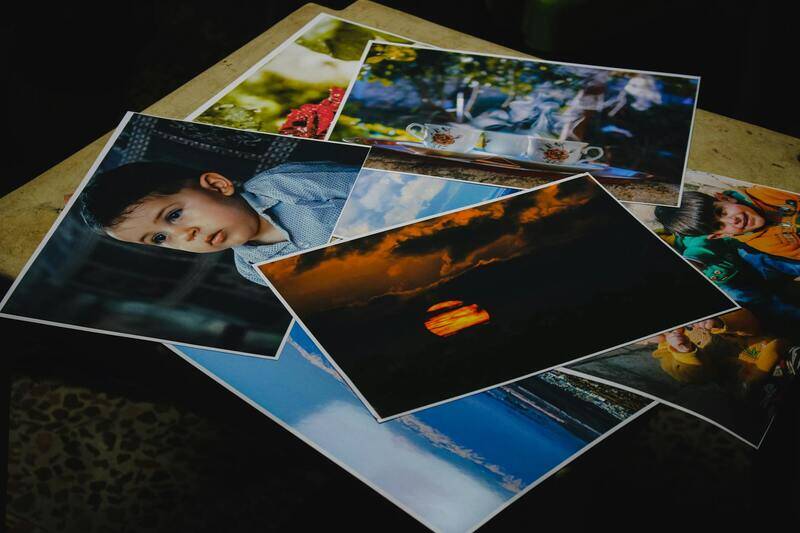
High-resolution oversize photo prints capturing fine details vividly displayed in large format Common Uses and Applications
- Interior Design: Large prints serve as focal points in residential and commercial spaces, adding depth and personality.
- Advertising: Oversize banners and backdrops are essential for promotional events, trade shows, and retail displays.
- Fine Art Display: Artists and photographers leverage large-format prints to showcase their work in galleries or public installations.
- Event Decor: Custom oversized prints enhance the ambiance of weddings, conferences, and exhibitions.
- Educational Installations: Museum exhibits and institutional displays benefit from informative and visually engaging large prints.
Choosing the Right Materials and Substrates
Selecting the appropriate substrate for an oversize photo print is vital to achieving durability, visual quality, and suitability for the environment. Different materials influence the aesthetics and longevity of the print:
- Vinyl Banners: Ideal for outdoor applications, offering water resistance and weather durability.
- Canvas: Provides a textured, artistic appearance suitable for indoor galleries or home decor.
- Acrylic: Delivers a modern, sleek look with vibrant color rendering and excellent optical clarity.
- Metal (Aluminum): Creates a contemporary look with durability and high-impact visual appeal.
- Wallpapers and Wallcoverings: Designed for large wall installations, offering seamless appearance and long-term stability.
The choice of material depends on the specific application, expected exposure to elements, and desired aesthetic effect. High-quality substrates paired with proper printing techniques ensure that oversize photo prints maintain their integrity over time.
Design Considerations for Oversize Prints
Designing for large-format printing involves unique considerations to prevent loss of detail and impact:
- Resolution: Aim for a minimum of 150-300 DPI at the final printed size to retain sharpness and detail.
- Image Composition: Large prints are viewed from a distance, so focal points and overall layout should be optimized accordingly.
- Color Profiles: Use embedded ICC profiles during file preparation to ensure consistent color reproduction across different devices and print runs.
- File Format: Save files in lossless formats like TIFF or high-quality PDF to preserve image quality.
- Viewing Distance: Design elements should be scaled appropriately based on how viewers will perceive the print from various distances.
Proper planning prevents visual issues such as pixelation, blurriness, or color shift during the printing process, resulting in a stunning oversized display.
Printing Technologies and Techniques
Modern large-format printing employs several advanced technologies to produce high-quality oversize photo prints:
- UV Printing: Uses ultraviolet light to instantly cure inks, producing durable, vibrant images on diverse surfaces such as acrylic, glass, or metal. Ideal for high-end commercial applications.
- Solvent and Eco-Solvent Printing: Employ solvent-based inks that are water-resistant and suitable for outdoor displays, banners, and signage.
- Latex Printing: Utilizes water-based inks that are environmentally friendly, flexible, and suitable for textured materials like canvas and wall coverings.
- UV-LED Technology: An energy-efficient option that provides rapid curing, precision, and high resolution across various substrates.
The selection of the appropriate printing technology is dictated by the intended application, substrate compatibility, environmental exposure, and desired aesthetic qualities. High-quality UV printing, for instance, guarantees color vibrancy and durability, ensuring the oversized photo remains vivid over time while resistant to fading or scratching.
Understanding Oversize Photo Prints
Oversize photo prints are a captivating way to showcase images on a large scale, transforming ordinary visuals into striking visual statements. These prints are characterized by their dimensions, often exceeding standard sizes, and require specialized printing techniques and materials to maintain clarity, color accuracy, and durability. The process begins with selecting an optimal image resolution, which should be at least 300 DPI at the final print size to prevent pixelation and loss of detail. When considering oversize photo prints, it’s essential to understand how the image will be perceived from various distances, which influences design choices such as contrast, detail density, and color vibrancy. High-quality file formats, such as TIFF or PDF, are recommended to retain full image fidelity during the printing process. These formats support lossless compression, ensuring that every nuance of the original photograph is preserved, even at large scales. Proper file preparation includes minimal compression, correct color profiles, and meticulous resolution settings. It is equally important to consider the viewing environment — whether the print will be viewed indoors or outdoors — as this impacts material selection and protective coatings to ensure longevity and vibrant appearance over time.

Oversize photo prints displayed in a gallery setting, emphasizing their vibrant details and scale. Common Uses and Applications
Oversize photo prints serve a variety of functional and aesthetic purposes across many sectors. Commercial applications include large-format banners and storefront displays designed to attract customer attention and reinforce brand messaging. In interior design, oversized wall art can serve as focal points within homes, offices, and hospitality spaces, creating immersive environments that captivate viewers. Art institutions and photographers often utilize oversized prints to exhibit artwork with impressive impact, emphasizing details and textures that might be overlooked in smaller formats. For event planners, oversized prints are effective backdrops for weddings, exhibitions, and conferences, providing a striking visual backdrop without the need for additional decoration. Additionally, oversize prints are used in outdoor advertising, where durability and weather resistance are crucial, making them suitable for billboards and signage. The versatility of these large-scale images allows for creative expression and impactful communication across various industries, illustrating their value in both commercial and personal contexts.
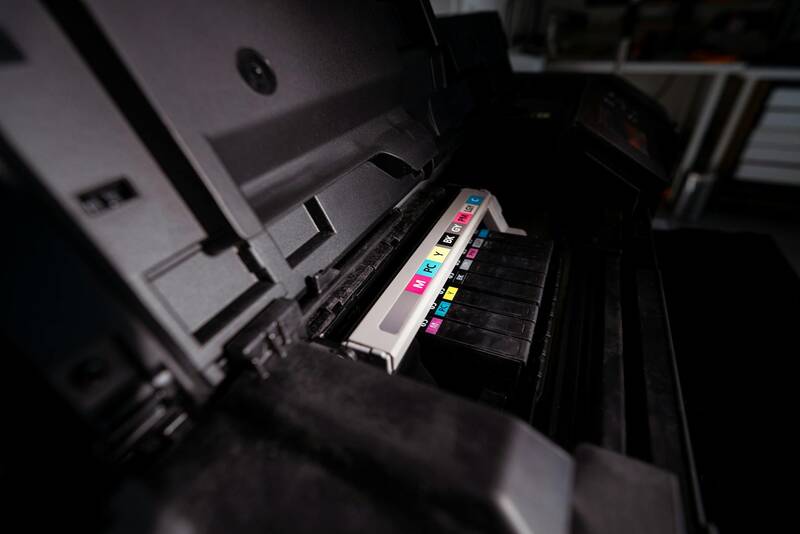
Large-scale event backdrop featuring oversize photo prints, enhancing visual engagement. Choosing the Right Materials and Substrates
Selecting appropriate materials is a critical step in ensuring the longevity and quality of oversize photo prints. Common substrates include rigid options such as acrylic, aluminum, and foam board, which provide excellent structural stability and a sleek, modern appearance. For applications requiring flexibility, canvas and vinyl are popular choices; these materials offer a textured finish and can adapt to curved surfaces if needed. Each substrate has distinct advantages: acrylic and aluminum are highly durable and visually striking, ideal for high-end displays, whereas foam board is lightweight and easy to install, suitable for indoor environments. Environmental considerations also influence material selection—outdoor applications demand weather-resistant substrates like coated aluminum or PVC-based materials with UV coatings to prevent fading and damage from moisture and UV exposure. The choice of substrate impacts not only aesthetic qualities but also installation methods; rigid materials often require special mounting hardware, while flexible substrates can be adhered with adhesives or tensioning systems. Coordinating the right material with the specific environment and usage plan is essential for achieving optimal results in oversize photo printing projects.
Design Considerations for Oversize Prints
Designing for large-format printing necessitates an understanding of how visual elements translate at scale. High-resolution images are fundamental to prevent pixelation; thus, image files should be prepared with clarity in mind, with minimal compression and proper color management. When designing for oversize prints, consider the viewing distance — larger prints can accommodate more intricate details that may be perceived only at close range, whereas distant viewers benefit from broader, bolder visuals that avoid clutter and fine text that’s difficult to read at size. Composition plays a vital role; elements such as contrast, hierarchy, and focal points should be optimized to draw the viewer’s eye and convey the intended message effectively. Text, if included, must be legible from a distance, often requiring larger font sizes and simple typography. Color accuracy is crucial, so color profiles should be embedded correctly in design files to ensure faithful reproduction. Margins and bleed areas need careful planning to accommodate trimming and framing, preventing important visual elements from being cut off. Overall, balancing aesthetic appeal with technical feasibility ensures that the final oversized print communicates effectively and maintains visual integrity over time.