Understanding Large Poster Printing from Photos
Transforming personal or professional photographs into large-scale posters is a powerful way to showcase images with impact and clarity. This process involves meticulous reproduction techniques that ensure each detail original to the photo is maintained during the enlargement process. High-quality large posters from photos are used in a variety of settings, including promotional displays, personal memories, corporate branding, and artistic exhibitions. Choosing to produce large posters from photos allows for a visually striking presentation that can attract attention from afar. Opting for proficient printing services equipped with advanced technology guarantees that the final product will exhibit sharpness, vibrant colors, and durability. Such services typically employ professional-grade printers capable of handling wide-format printing without compromising detail or color fidelity. The essential benefits of high-quality large poster printing include:
- Enhanced Visual Impact: Large posters command attention and can serve as focal points in any space.
- Durability: Professionally printed posters withstand environmental factors better, ensuring longevity.
- Customizability: Options for different sizes, finishes, and materials tailor posters to specific needs.
- Preservation of Image Integrity: Proper printing techniques prevent loss of detail or color accuracy when enlarging photos.

Choosing the Right Photos for Large Posters
Selecting appropriate images is a critical step in producing large posters that effectively capture attention and convey their intended message. When opting for photos to be enlarged, the primary consideration should be image resolution. High-resolution images ensure that the enlarged print maintains sharpness and detail, avoiding pixelation or blur that can detract from visual appeal. Typically, images with a resolution of at least 300 DPI at the final print size are recommended for high-quality large posters.
It is equally important to evaluate the original content of the photo. Clear, well-composed images with sufficient contrast and focus tend to translate better into large-scale formats. Images with cluttered backgrounds or excessive noise may lose clarity when enlarged, so selecting photos with subject prominence and simple backgrounds can enhance visual impact.
Additionally, the subject matter should align with the intended use of the large poster. For promotional displays, choose images that incorporate brand elements, logo placement, or eye-catching visuals. For personal projects, such as posters of family photos or memorable moments, select images that evoke emotion and resonate with viewers. Artistic photographs with vibrant colors and strong compositions are particularly suited for large-format printing, ensuring that the final poster sparks admiration and engagement.

In practice, it is advisable to review original images in their full resolution before proceeding with printing. Software tools can help assess image quality and resolution, and adjustments such as cropping or color corrections can optimize photos prior to printing. This preparatory step ensures that each detail and nuance of the photo is preserved, resulting in large posters that are crisp, vibrant, and visually captivating.
Maximizing Image Quality for Large-Format Prints
- Use high-resolution images with at least 300 DPI at the desired print size.
- Opt for photos with focused subjects and minimal noise or grain.
- Choose images with strong contrast and vibrant colors to enhance visual appeal.
- Crop and edit images to remove distractions and highlight key elements.
- Employ professional editing software for color correction and sharpness enhancement.
Preparing Photos for Large-Scale Printing
Ensuring that photos are properly prepared before sending them to print is pivotal for achieving outstanding results. This involves not only selecting the appropriate resolution but also optimizing the file format, color profile, and cleaning up the image to prevent any issues during printing.
When preparing images, it is essential to work with high-resolution files that meet the recommended 300 DPI at the intended print size. For example, if the poster measures 24 inches by 36 inches, the image should ideally be at least 7200 pixels wide and 10800 pixels tall. Files that fall below this resolution may appear pixelated or blurred when enlarged, compromising visual quality.
File format selection plays a critical role in maintaining image fidelity. Commonly accepted formats for high-quality printing include TIFF and high-quality JPEG. TIFF files preserve color data and image details without compression artifacts, making them ideal for large posters. JPEGs with minimal compression are also acceptable if they are saved at the highest quality setting, ensuring minimal loss of detail.
Color profiles, such as Adobe RGB or sRGB, should be embedded in image files to guarantee accurate color reproduction. Prior to printing, it's advisable to perform color correction and image enhancement using professional editing software. Adjustments can include sharpening details, balancing contrast, and ensuring color vibrancy, all of which contribute to a striking final product.
Additional considerations include removing dust spots, blemishes, or unwanted elements that could distract viewers once printed. Cropping images to improve composition and focus on the main subject can also significantly impact the final appearance. It is advisable to keep a backup of the original high-resolution file before making any edits, ensuring that the original quality is preserved for reference or future modifications.
Finally, converting images into the working color profile used by the printing process can minimize any deviations in color accuracy. Communicating with the printing service about preferred file formats and specifications will help streamline the production process, guaranteeing that the image adheres to technical standards and optimally displays on the large poster.
Official Methods for Producing Large Posters from Photos
To ensure high-quality results when producing large posters from photos, utilizing official and reputable printing solutions is essential. These methods rely on professional-grade equipment and validated processes that guarantee consistent color fidelity, sharpness, and durability. When seeking to create impactful large photo posters, one must follow standardized procedures that involve proper file preparation, material selection, and precise printing techniques.
Start by selecting an appropriate digital image that meets the required resolution and quality standards. To avoid pixelation and loss of detail, the image should be prepared with professional photo editing software, ensuring the resolution is optimized for the poster size. Embedding suitable color profiles, such as Adobe RGB or sRGB, assists in maintaining color consistency throughout the printing process.
Once the image is ready, consult with a trusted printing provider who adheres to industry standards. They will typically accept high-resolution TIFF or PDF files, as these formats preserve image quality and include necessary color information. The printing facility will perform critical calibration procedures to match their equipment settings with the file specifications, ensuring that the final output closely matches the digital image.
For optimal results, the production process may involve several key steps:
- Color Management: Ensuring color profiles are correctly embedded and calibrated to match print output expectations.
- Material Selection: Choosing premium printing substrates, such as glossy, matte, or textured papers, which best suit the intended display environment.
- Proofing: Conducting test prints or digital proofs to review colors and details before the final run.
- Printing: Using high-quality large-format printers equipped with advanced inks for durability and color richness.
Handling and Securing the Final Poster
Once printed, official handling involves careful packaging and transportation to prevent damage. Posters should be stored flat or rolled in protective tubes, depending on size and material. When installing large posters, employing professional mounting techniques ensures a smooth, wrinkle-free appearance, and environmental considerations such as UV protection can prolong the visual quality over time.
Adhering to these established methods guarantees that your large posters from photos will meet high standards of visual impact and longevity. Collaborating with experienced print professionals offers peace of mind that each step, from file preparation to final display, aligns with proven industry practices, resulting in stunning showcases of your photographic work.
Official Methods for Producing Large Posters from Photos
Creating large posters from photographs without compromising quality involves employing established production practices that are grounded in industry standards. These techniques ensure that the enlarged images retain their clarity, color fidelity, and durability, making them suitable for both indoor and outdoor displays.
Precise file preparation is paramount. Utilizing high-resolution images—preferably with a resolution of at least 150 pixels per inch (ppi) at the desired final size—helps avoid pixelation and loss of detail. It is critical to work with original or high-quality digital files, such as RAW or TIFF formats, which preserve maximum image data. When working with JPEGs or other compressed formats, ensure minimal compression to maintain visual integrity.
Color management constitutes a significant aspect of in-house or professional printing. Proper embedding of color profiles, typically sRGB or Adobe RGB, ensures consistent color output across screens and print media. Color calibration of displays and printers guarantees that the colors in the digital file match the printed poster as closely as possible. This process involves using calibration tools to set consistent baseline standards for both monitors and printers.

Next, selecting suitable printing materials is essential. High-quality substrates such as vinyl, canvas, or foam board are commonly used for large posters, chosen based on display location and environmental conditions. Glossy finishes enhance color vibrancy and sharpness, while matte or textured surfaces reduce glare and reflections, facilitating easier viewing in various lighting scenarios. Protective coatings or lamination can be added to bolster resistance against UV rays, moisture, and scratches.
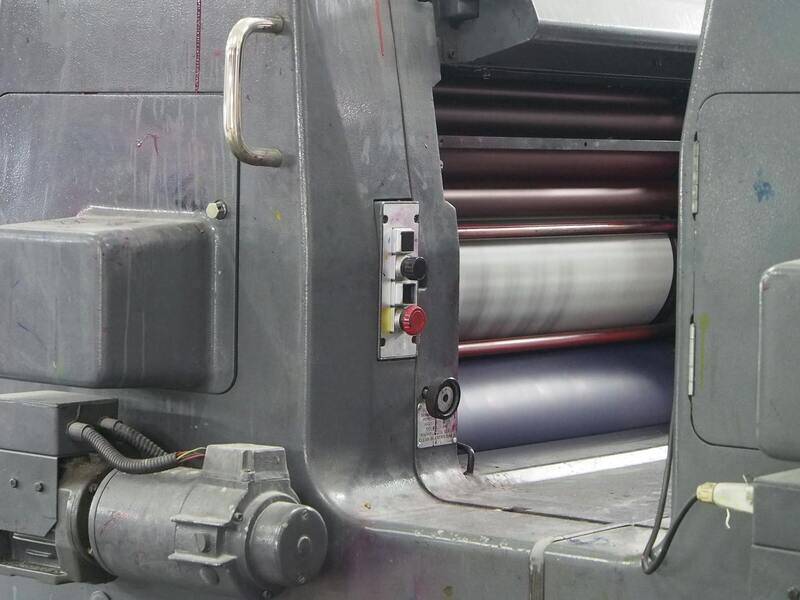
The actual printing process should be conducted using large-format printers capable of handling wide media widths. These machines utilize advanced inkjet or solvent-based inks that provide vibrant, long-lasting results. Calibration of these printers prior to printing sessions ensures color consistency, especially important when multiple posters are produced sequentially. High-resolution output combined with precise color management guarantees sharp images and accurate tonal reproduction.
After printing, an essential step involves quality inspection. This process includes verifying color accuracy, sharpness, and overall print integrity. Any necessary touch-ups or corrections are addressed before the final delivery. Proper handling during this phase, including careful packaging—whether rolled in tubes or laid flat—avoids damage during transportation and storage. For large posters intended for mounting, professional installation services often employ specialized techniques such as heat mounting or using framing systems, ensuring a smooth and durable display.
Ensuring Precision in Large Poster Printing from Photos
Achieving optimal quality in large posters from photos hinges on meticulous preparation and adherence to proven printing methods. High-resolution images are fundamental, and photographers or designers should ensure their digital files meet the recommended specifications for pixel dimensions and DPI, typically 300 DPI or higher at the final print size. This prevents pixelation and maintains sharpness across expansive formats. Image resolution must align with the dimensions of the poster to guarantee detailed reproduction, especially for intricate elements or fine text.
Prior to printing, comprehensive color correction and proofing are essential steps. Adjustments should be made to match the original photograph’s color palette, brightness, contrast, and saturation. Utilizing professional color management workflows, including calibrated monitors and color profiles, helps achieve consistent results that faithfully reflect the source image. Soft proofing on calibrated displays and hard proofing on sample materials are recommended to evaluate how colors and details will translate onto the chosen printing substrate.
Proper file formatting is equally important. Typically, high-quality formats such as TIFF or PDF are preferred, as they preserve image integrity without compression artifacts. Files should be prepared with bleed margins if edge-to-edge printing is desired, ensuring no important details are trimmed during finishing. For images requiring retouching or enhancement, collaborative work with graphic professionals can optimize clarity and vibrancy, further ensuring the poster is striking when scaled to a large format.

Additionally, a review process involving multiple inspections can catch potential issues before printing. This includes examining color fidelity, resolution integrity, and any possible artifacts. Editors should verify that images are correctly integrated into the design layout, maintaining proper aspect ratios and avoiding distortion. With these steps, the final large poster from photos will accurately reflect the original capture, offering both visual impact and professional appearance.
Investing in quality printing infrastructure is vital for consistent results. Wide-format printers utilizing advanced inkjet or solvent-based technology are standard in producing large posters from photos. These printers are capable of mapping intricate color gradients and maintaining sharp detail across expansive surfaces, which is essential for faithful reproduction of the digital source. Regular calibration and maintenance of the printing equipment are also necessary to uphold color precision and image sharpness throughout the production run.
Post-print quality checks include scrutinizing the poster for color uniformity, ink smudges, and alignment issues. Protective treatments such as lamination or a UV coating can be applied post-printing to enhance durability against environmental factors like moisture, UV exposure, and physical abrasion. Proper handling during transportation, whether rolled or flat-packed, minimizes damage and preserves print quality. For posters in high-traffic or outdoor areas, mounting and finishing techniques should be selected to ensure longevity and ease of installation, which may involve professional framing or mounting systems tailored for large formats.
Installation and Maintenance of Large Photo Posters
Proper installation and ongoing maintenance are critical to maximize the visual impact and longevity of large posters created from photos. Securing posters correctly ensures they remain undamaged and retain their aesthetic appeal over time, especially when displayed in environments exposed to environmental stresses or frequent handling.
Installation Techniques for Large Photo Posters
- Choosing the Right Mounting System: Depending on the location and intended permanence, options range from professional framing and rigid backing with mounting hardware to seamless adhesive solutions suitable for smooth, clean surfaces. For outdoor or high-traffic areas, corrosion-resistant fixtures and weatherproof adhesives are recommended to withstand environmental factors.
- Surface Preparation: A clean, dry, and smooth surface ensures optimal adhesion and reduces the risk of air pockets or misalignment. Surfaces should be free from dust, grease, or debris, which can impair the bonding process.
- Measuring and Alignment: Precise measurements are essential to ensure the poster is centered and level. Using laser levels or plumb lines can facilitate accurate placement, particularly for oversized posters that require multiple mounting points.
- Professional Handling: For large-scale images, employing experienced installers minimizes the risk of damage. Using appropriate lifting and handling tools prevents creasing, tearing, or scratching during the installation process.
Maintenance Practices to Preserve Quality
Once installed, maintaining the appearance and integrity of large posters requires routine care and specific cleaning practices tailored to the printing materials and environmental exposure. Regular inspections can identify issues such as fading, peeling, or physical damage early, allowing for timely repairs or replacements.
- Cleaning Methods: Use soft, lint-free cloths and gentle cleaning solutions suitable for the poster's finish. For laminated or coated surfaces, mild soap and water are typically safe, while avoiding abrasive cleaners that can scratch or dull the surface.
- Environmental Control: Position posters away from direct sunlight, heat sources, or high humidity conditions to prevent color fading and material degradation. If outdoor exposure is unavoidable, consider protective coatings or UV-resistant laminates for added defense.
- Protection Against Physical Damage: Installing barriers or decorative framing can safeguard posters from accidental impacts or vandalism. For posters in high-traffic areas, incorporating security features like anti-theft mounts can be beneficial.
- Periodic Restoration: Over time, minor repairs such as re-gluing loose edges or touch-up painting can sustain the poster's appearance. Professional restoration services may be employed for more extensive damage or significant aging signs.
By adhering to these installation and maintenance practices, owners can ensure their large posters from photos remain visually stunning and structurally sound for years. Proper handling not only preserves the original quality but also enhances the overall experience for viewers, making sure the artwork continues to deliver its intended impact.
Proper Methods for Obtaining Large Posters from Photos
Creating large posters from personal photos or images requires a careful approach to ensure the final product meets expectations in quality and durability. While many online services claim to offer quick solutions, confirmed and reliable methods involve working with established professional printing companies that specialize in large-format printing. Such companies utilize high-quality equipment and materials, ensuring the image retains its clarity and vibrancy even at substantial sizes.
Utilizing Professional Printing Services
Working with reputable printing vendors includes several key steps. First, submit your high-resolution images, ideally with a resolution of at least 150 dpi for the desired print size. This resolution ensures sharp details without pixelation. Most professional printers accept digital files in common formats like JPEG, TIFF, or PDF, which preserve image quality. Prior to printing, the service provider will often perform a color calibration check to match your image’s colors accurately in the final output.
To guarantee the best possible results, communicate clearly with your chosen printer about your design preferences, material choices, and finish options. Professional printers might also offer proofing services, where a sample or a smaller section of the poster is printed to verify image quality and color accuracy before proceeding with the full-scale print.
Selecting a Suitable Printing Facility
Many trusted printing companies operate entirely online, allowing for easy uploads and detailed customization options. When choosing a service, consider their experience with large-format projects, the types of materials they use, and their customer reviews. An established company typically employs advanced inkjet or laser printing techniques, which produce durable, high-definition images suitable for both indoor and outdoor display scenarios.
Confirming Image Rights and Licensing
Before commissioning a large poster from a photo, ensure you have the legal rights to reproduce the image at the desired scale. This involves verifying ownership or proper licensing, especially if the image originates from third-party sources. Using images without proper rights can lead to complications, so working with images you own or have permission to reproduce is essential for a smooth process.
Specialized Large Poster Printing Techniques
For top-quality results, some advanced techniques can be employed, such as canvas printing for an artistic feel or using premium vinyl materials for outdoor durability. UV-resistant inks are recommended for outdoor posters to prevent fading caused by sunlight exposure. Additionally, lamination options can provide extra protection against scratches, moisture, and environmental damage.
Ensuring that the process relies solely on legitimate printing facilities and high-quality materials guarantees the preservation of the image’s integrity, color richness, and structural stability over time. These methods serve not only to bring photo memories into impressive large-scale displays but also to uphold a professional standard in presentation and durability.