Understanding the Importance of Business Cards
Business cards remain a vital tool in professional networking, serving as a tangible representation of an individual’s personal brand and company identity. Despite the digital age's dominance, a well-designed business card leaves a lasting impression and ensures that contact information remains accessible beyond digital exchanges. The physical nature of a business card offers an opportunity to showcase professionalism, creativity, and a company's unique style through thoughtful design and quality materials.
When exchanged successfully, a business card facilitates future communication, new opportunities, and the forging of valuable business relationships. It acts as a bridge between initial contact and ongoing engagement, making it a crucial element of any strategic networking plan. For entrepreneurs and established organizations alike, the business card also functions as a reflection of brand values and standards, reinforcing credibility and trustworthiness in the eyes of potential clients and partners.
Moreover, the role of a business card extends beyond mere contact sharing. It encapsulates the essence of a brand, often incorporating visual elements such as logos, color schemes, and unique typography that resonate with target audiences. This visual branding reinforces recognition and helps distinguish a business in competitive markets. As a portable marketing tool, a business card can be used in formal meetings, trade shows, or casual encounters, making it an indispensable asset in face-to-face promotional activities.

Investing in the strategic design and high-quality printing of business cards ensures that this essential marketing material effectively communicates your unique value proposition. As a reflection of your business’s personality and commitment to quality, the business card serves as both a practical contact point and a subtle yet powerful marketing tool. The importance of a professionally crafted business card cannot be overstated, as it significantly influences first impressions and future interactions within the business landscape.
Choosing the Right Materials and Finishes
Selection of appropriate materials and finishes is a crucial step in the creation of high-quality business cards. The choice influences durability, tactile feel, and overall visual impact, ensuring your cards leave a lasting impression. Common materials include standard cardstock, premium thick paper, recycled options, and specialty substrates such as linen, kraft, or translucent plastic. Each material offers unique characteristics, aligning with specific brand identities and industry standards.
For instance, matte finishes deliver a sophisticated, non-reflective surface, ideal for professional settings that require subtle elegance. Glossy finishes enhance vibrant colors and sharp images, making them suitable for creative industries. Soft-touch coatings provide an extra layer of tactile luxury, enriching the sensory experience when handling the card. Additionally, textured surfaces and specialty materials can set your business card apart, emphasizing exclusivity and attention to detail.
Choosing the appropriate finish also involves considering additional enhancements such as UV coating, which provides a protective layer that resists scratches and moisture, thereby increasing longevity. Spot UV can be selectively applied to highlight specific design elements like logos or contact details, adding visual depth and sophistication.

Considerations for Material and Finish Selection
- Brand Identity Alignment: Choose materials and finishes that reflect your brand’s personality and industry standards.
- Durability Needs: Consider how often the cards will be handled or exposed to environmental factors.
- Budget Constraints: Balance costs with quality to achieve the desired visual and tactile impact.
- Environmental Impact: Opt for eco-friendly options such as recycled paper or sustainable coatings if environmental responsibility aligns with your brand values.
Best Practices in Material Choice
- Match your material to the intended usage environment and frequency of distribution.
- Use thicker or textured materials for luxury brands to convey exclusivity.
- Utilize coated finishes for durability under frequent handling or outdoor use.
- Evaluate sample swatches before finalizing the print run to ensure tactile and visual satisfaction.
Understanding the Importance of Business Cards
Business cards serve as a tangible representation of your brand, encapsulating essential contact information along with visual cues that communicate your company's identity. They are often the first impression potential clients or partners have of your business, making their design and quality critical components of effective networking. A well-crafted card can differentiate your business in a competitive marketplace and foster immediate recognition. Moreover, business cards facilitate direct, personal connections, creating an accessible means for recipients to remember and reach out to you later.

Beyond aesthetics, the choice of materials and printing techniques plays a pivotal role in how your card is perceived. For example, premium cardstock combined with a matte finish exudes sophistication, suitable for industries like finance, law, or consulting. Conversely, textured or specialty papers can evoke a sense of creativity and innovation, aligning well with design firms or tech startups. The tactile experience of a business card significantly influences the recipient’s impression, emphasizing the need for thoughtful material selection.
Key Elements of a Business Card Design
- Brand Logo: A prominent logo reinforces brand recognition and visually anchors the card.
- Contact Details: Include essential information such as name, title, phone number, email address, and physical or web address. Clarity and legibility are paramount.
- Design Consistency: Use color schemes, fonts, and imagery consistent with your overall branding to ensure coherence and professionalism.
- Whitespace Balance: Adequate spacing prevents clutter and enhances readability, making key elements stand out.
- Call-to-Action (CTA): If appropriate, incorporate a subtle prompt such as a website URL or social media handle to encourage engagement.
When designing for print, prioritize simplicity and clarity, ensuring that all information remains easily readable even at smaller scales. Using high-contrast colors and legible fonts further enhances visibility. Incorporate visual elements like icons or subtle patterns sparingly to avoid distraction from essential details. Maintaining a professional, uncluttered presence on your business card fosters trust and credibility among potential clients and partners.
Design and Print Best Practices
Meticulous planning and adherence to established standards are essential for achieving high-quality results when designing and printing business cards. These practices not only ensure a professional appearance but also optimize durability, cost-efficiency, and overall impact. Begin by establishing consistent branding elements across all card components, including logo placement, color schemes, font styles, and imagery. This uniformity reinforces brand recognition and conveys professionalism.
Prioritize readability by selecting legible fonts with appropriate sizes and contrast. Avoid overly decorative typefaces that could hinder clarity, especially at smaller scales. Maintain a balanced layout with adequate whitespace to prevent visual clutter; this technique directs attention to critical information such as contact details and your company’s branding elements.
When choosing a design layout, consider the hierarchy of information. Place your logo prominently, followed by name, title, and contact information in a logical order. Incorporate subtle visual cues like icons or lines to guide the eye smoothly across the card, enhancing user experience.
In terms of color schemes, adhere to your brand palette while employing high-contrast combinations that stand out and are easy to read. Use color sparingly for accents, backgrounds, and text to maintain a refined, cohesive look.
On the technical side, ensure that your digital files are prepared in high resolution, typically 300 dpi, to facilitate sharp printing. Use vector graphics for logos to preserve fidelity regardless of size adjustments. Save files in formats compatible with the printer, commonly PDF or TIFF.
Choose printing techniques that complement your design goals, such as letterpress, embossed printing, or spot UV coating, each adding texture and visual appeal. Consider specialty finishes like matte, gloss, or soft-touch for a distinctive tactile experience.

Understanding the Importance of Business Cards
Business cards serve as tangible representations of a company's brand identity and professionalism. They provide a compact, immediate contact point that facilitates networking, fosters trust, and leaves a lasting impression on potential clients, partners, and industry peers. Well-designed business cards can effectively communicate key information while also reflecting the values and essence of your brand.
In an era dominated by digital communication, the tangible quality of a high-quality business card still holds significant value. It acts as a personal touch, showcasing credibility and attention to detail, which can differentiate your business from competitors. When crafted with care and deliberation, these cards become a physical extension of your business’s narrative, reinforcing your company's image and opening doors to professional opportunities.
Ultimately, the strategic use of business cards supports your broader marketing efforts, enhances your brand visibility, and aids in establishing meaningful connections that can translate into future collaborations or sales.
Key Elements of a Business Card Design
Creating an impactful business card involves careful consideration of various fundamental elements that work together to convey professionalism and brand consistency:
- Logo and Brand Identity: Your logo should be prominently displayed, embodying your brand’s personality. It serves as a visual anchor that helps recipients recognize your business instantly.
- Typography: Select fonts that align with your brand tone—whether modern, classic, or playful. Ensure the text is legible at small sizes, with clear hierarchy to distinguish important details.
- Contact Information: Include essential details such as name, position, phone number, email address, and website. Use icons or visual cues for quick identification and easy navigation.
- Color Scheme: Stick to your brand palette, employing high-contrast combinations for clarity. Use accent colors sparingly to emphasize specific elements without overwhelming the design.
- Layout and White Space: Maintain a clean, balanced layout with strategic white space to uphold readability and visual harmony. Avoid clutter that could detract from key information.
- Unique Elements: Incorporate subtle design features such as embossed logos, textured backgrounds, or custom die-cuts to add a tactile dimension, making your card memorable.
Choosing the Right Materials and Finishes
The quality of your business card's material can significantly impact its perception. Selecting appropriate materials and finishes enhances durability and adds a layer of sophistication:
- Paper Stock: Options range from standard matte or gloss cardstock to premium materials like lay-flat, textured, or linen finishes. Heavier weights (e.g., 14pt, 16pt) convey sturdiness and quality.
- Specialty Papers: Consider environmentally friendly recycled or textured papers for a distinctive tactile experience that aligns with eco-conscious branding.
- Finishes and Coatings: Matte finishes project elegance and reduce glare, while gloss can enhance colors and images. Soft-touch coatings offer a luxurious feel, ideal for high-end brands.
- Special Effects: Techniques such as spot UV coating, embossing, debossing, foil stamping, or die-cuts contribute to visual intrigue and tactile engagement, making your card stand out in a stack.

Design Tips for a Professional Look
To ensure your business card exudes professionalism, focus on these design best practices:
- Consistency with Brand Identity: Maintain uniformity across all elements—colors, fonts, and logos—to reinforce brand recognition.
- Simplicity and Clarity: Avoid overloading the card with information. Prioritize key details and use concise language.
- Effective Use of White Space: Harness white space to improve readability and create a balanced composition that draws attention to important elements.
- Visual Hierarchy: Use size, contrast, and positioning to guide the recipient’s eye through the most critical details first, such as your name and contact info.
- High-Quality Imagery and Graphics: Incorporate sharp, high-resolution logos and images, ensuring they are print-ready in vectors or high-res formats.
- Alignment and Consistency: Keep margins aligned and spacing uniform to foster a clean, organized look.
- Personal Touches: Adding subtle design features or custom details can make your card memorable—such as rounded corners, embossed elements, or unique die-cuts.
Effective design combined with high-quality printing ensures your business card projects credibility and professionalism, facilitating successful networking and brand expansion.
Design and Print Best Practices
Effective design and printing strategies are vital to ensuring your business card leaves a memorable impression. The process begins with meticulous planning, selecting appropriate design software, and understanding printing techniques that enhance your card's durability and aesthetic appeal.
Innovative design involves not only visual elements but also considering practical printing methods that bring your ideas to life with clarity and elegance. Utilizing high-resolution artwork ensures sharp images and crisp text, while choosing suitable color schemes reinforces brand identity and stands out in a competitive environment.
When preparing your design for print, adhere to technical specifications such as bleed margins, safe zones, and color modes. These parameters prevent unwanted white borders, ensure critical information isn't cut off, and guarantee color accuracy from screen to print.
To achieve a professional finish, opt for print techniques that add depth and texture, such as embossing, spot UV coating, or foil accents. Incorporating these methods can elevate your business card from a simple contact tool to a tangible representation of your brand’s quality and attention to detail.
Best practices include:
- Consistent Brand Messaging: Ensure your design aligns with your overall branding, including logo placement, color palette, and typography.
- Readable Fonts: Select fonts reflecting your brand personality that are legible at typical viewing distances.
- Clear Hierarchy: Organize key information—name, title, contact details—using size, contrast, and positioning to guide the viewer’s eye naturally.
- Minimalism: Avoid clutter; embrace white space to emphasize essential elements.
- Visual Elements: Use high-quality logos and graphics that are optimized for print, avoiding pixelation or distortion.
- Unique Features: Incorporate design elements such as rounded corners or die cuts to add a distinctive touch.
Careful alignment of all components and attention to detail during the design phase ensure a cohesive and polished appearance. When paired with the right printing techniques, your business card can serve as an effective, professional tool that reinforces your brand image, fosters credibility, and facilitates memorable connections during networking interactions.
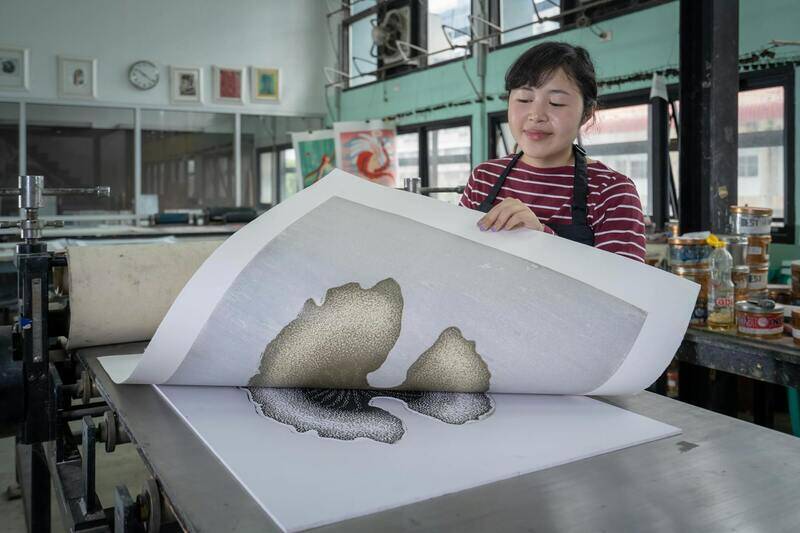
Design and Print Best Practices
Ensuring the final printed business cards match your expectations requires meticulous preparation of your design files and adherence to best practices during the printing process. Accurate file formatting, proper resolution, and color management are fundamental to achieving impeccable results. When preparing your design, always use the correct bleed, safety margins, and appropriate color spaces (CMYK for print) to prevent unwanted cropping or color shifts.
Proofing is an essential step in the process. It involves reviewing a physical or digital proof of your design to catch errors, verify color accuracy, and assess the overall layout. Engaging multiple reviews by different team members helps identify issues that might be overlooked otherwise. Once satisfied, submitting a high-resolution print-ready file ensures the printer can reproduce your design accurately.
Maintaining print consistency across batches involves using standardized templates and specifications. Confirm that your files are prepared with the correct specifications and that printers use consistent inks and paper stocks. Requesting color proofs from the printing service can provide additional assurance that the final product aligns with your brand standards. Moreover, paying attention to alignment and registration during printing is crucial to avoid misprints or skewed graphics.
Another vital aspect is selecting the right finishing options that complement your overall design. Techniques such as matte or gloss lamination can enhance durability and appearance. Embossing, foil stamping, or spot UV coatings can add texture and visual interest, emphasizing key elements like logos or contact details. Collaborating closely with the printing provider ensures the application of these features is precise and aligns with your branding goals.
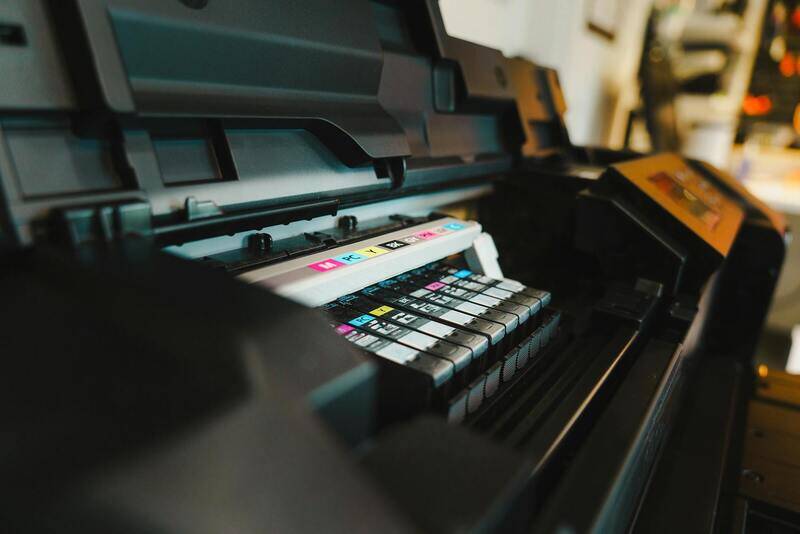
Consistency in print output is achieved through detailed communication with your print provider. Always specify the exact paper weight, coating, and special finishes to match your vision. Retain samples or mock-ups for future reference, facilitating uniformity in subsequent orders. When considering bulk printing, confirm the printer’s production timeline and quality assurance processes to avoid delays or subpar results.
Understanding the Importance of Business Cards
Business cards serve as a tangible extension of your professional identity, facilitating immediate recognition and creating lasting impressions during networking events, meetings, and industry conferences. They are essential for establishing credibility, fostering connections, and facilitating follow-up communication. An expertly designed and professionally printed business card can embody your brand's essence, communicate your contact details convincingly, and differentiate you from competitors. Properly crafted cards also function as a reminder of your services or expertise, making it easier for potential clients or partners to recall your interaction and reach out when needed.
Key Elements of a Business Card Design
Effective business card design hinges on balancing aesthetics with functionality while ensuring alignment with your branding strategy. The core elements include:
- Logo and Brand Identity: Your logo should be prominently displayed to reinforce brand recognition. Consistent use of colors, fonts, and imagery that align with your broader branding ensures cohesiveness.
- Contact Information: Clear presentation of essential details such as name, job title, phone number, email, website, and physical address. Prioritize readability by choosing appropriate font sizes and styles.
- Typography and Colors: Select professional fonts that are easy to read, avoiding overly decorative styles. Use color schemes that complement your brand and provide contrast for visibility.
- Layout and White Space: Maintain a clean, uncluttered layout with adequate white space to enhance clarity and visual appeal. Strategic placement of elements guides the viewer's eye naturally across the card.
- Additional Elements: Consider incorporating design features such as icons, QR codes, or subtle patterns that add visual interest without overwhelming the core information.
Choosing the Right Materials and Finishes
Material selection plays a vital role in conveying professionalism and durability. Options include standard cardstock, premium thick papers, or specialty stocks like textured or recycled materials. Finishing options such as matte, gloss, or satin coatings not only enhance aesthetic appeal but also provide protection against wear and tear. For a tactile experience that leaves an impression, consider embossed logos, foil stamping, or spot UV coatings that highlight key design elements and add sophistication.

Design Tips for a Professional Look
To achieve a polished and impactful design, adhere to the following best practices:
- Consistency: Align your design with existing branding standards, including color palette, typography, and logo usage. Maintain visual harmony across all marketing materials.
- Simplicity: Avoid overcrowding the card with excessive information or decorative elements. Focus on essential details and a clear call-to-action.
- Contrast and Readability: Use contrasting colors to improve text legibility. Ensure that font sizes are appropriate for quick readability at a glance.
- Unique Design Elements: Incorporate distinctive features such as subtle textures or creative shapes to stand out while preserving professionalism.
- Whitespace Optimization: Use white space strategically to prevent clutter and guide the recipient’s eyes naturally through the information.
Printing Options and Techniques
Choosing the appropriate printing technology and techniques significantly impacts the final look and feel of your business cards. Options include:
- Digital Printing: Ideal for small to medium runs, offering quick turnaround times with high quality and flexibility for complex designs.
- Offset Printing: Suitable for larger orders, providing superior color accuracy and consistency across batches.
- Letterpress and Embossing: Adds tactile dimension by creating raised or recessed designs, giving a sense of depth and sophistication.
- Foil Stamping: Applies metallic or pigmented foil to specific areas, enhancing visual interest and conveying a premium feel.
- Spot UV Coating: Adds glossy highlights to select areas, emphasizing logos or contact details against matte backgrounds.

Cost Considerations and Ordering Process
Price points for business card printing are influenced by factors such as material choice, finishing options, design complexity, and order quantity. Bulk printing generally reduces the per-unit cost, making it advantageous for large-scale distributions. When placing an order, ensure your digital files are prepared according to the printer’s specifications, including correct bleed, resolution, and color mode. Request sample proofs or color swatches to validate the final appearance before full production. Establish clear communication with your printer to confirm turnaround times, delivery schedules, and agreements on quality standards. A well-organized order process minimizes errors and ensures satisfaction with the end product.