Overview of Name Card Printing in Singapore
In Singapore’s vibrant business landscape, the exchange of name cards — also known as business cards — remains an essential practice for establishing professional connections. These small but impactful tools serve as tangible representations of a company’s brand identity and a person's professional persona. An effectively designed name card not only conveys contact information but also leaves a lasting impression, influencing future interactions and opportunities.
Typically, professionals from various industries, including corporate executives, entrepreneurs, and freelancers, carry and distribute name cards during meetings, conferences, and networking events. The importance of high-quality printing and thoughtful design cannot be overstated, as they directly reflect a company’s attention to detail and commitment to professionalism.

Most local businesses and printing service providers adhere to recognized practices centered around durability, design consistency, and clarity. Standard procedures involve choosing suitable design templates, selecting premium materials, and utilizing advanced printing techniques to produce crisp, vibrant results. Moreover, many companies opt for customization options, including embossing, foil stamping, or special finishes, to further enhance their cards’ visual appeal and tactile experience.
In Singapore, the demand for versatile and innovative name card printing solutions continues to grow, driven by increasing competition and the importance of memorable branding. With a wide array of available services, both online and offline, local professionals can easily access printing options that align with their brand image, budget, and specific preferences. The result is a highly competitive market that emphasizes quality, efficiency, and uniqueness in every printed card.

Types of Name Card Printing Methods
Singapore’s printing industry offers a variety of techniques to produce professional and eye-catching name cards, each suited to different design complexities, budgets, and branding needs. Understanding these methods helps businesses and individuals select the most appropriate option for their specific requirements.
- Digital Printing: This method utilizes digital technology to produce high-quality, full-color name cards with quick turnaround times. It is ideal for small to medium print runs and offers flexibility for frequent design changes or personalized cards. Digital printing also allows for variable data printing, letting each card feature distinct information, which is particularly useful for targeted networking campaigns.
- Offset Printing: Known for its cost-efficiency in large volume production, offset printing provides vibrant, sharp images and consistent color accuracy. It involves creating a printing plate and transferring ink onto the cards, making it suitable for bulk orders where design uniformity and quality are priorities.
- Foil Stamping: This finishing technique adds metallic or pigmented foil to specific parts of the design, such as logos or borders, creating a luxurious effect. Foil stamping enhances the tactile and visual appeal of the name card, making it stand out during exchanges.
- Embossing and Debossing: These techniques create a three-dimensional effect by raising (embossing) or indenting (debossing) parts of the design. Embossed elements add texture and depth, making the card more memorable and sophisticated.

The choice of printing method depends on factors like desired visual impact, budget, and production volume. For instance, a startup might opt for digital printing due to its affordability and quick turnarounds, whereas a premium brand could prefer offset printing combined with foil stamping and embossing to achieve a high-end look.
Choosing the Right Design and Material
Designing an effective name card involves selecting elements that communicate professionalism and reflect the brand’s identity. Material selection plays a crucial role in the card’s durability and tactile experience, influencing the overall perception.
- Material Options: Common choices include standard cardstock, matte or gloss finishes, textured papers, and specialty materials such as translucent or recycled paper. Each has distinct attributes; for example, matte finishes offer a sophisticated look and reduce glare, while gloss provides vibrancy and shine.
- Design Elements: A clean layout with clear font hierarchy enhances readability. Incorporating subtle branding elements like a logo or signature color scheme reinforces brand recognition. Minimalist designs often appear more professional, whereas intricate graphics can be used to convey creativity or innovation.
- Special Finishes: Embellishments like spot UV coating, textured embossing, and metallic foils can elevate the design. When combined thoughtfully, these finishes deliver a memorable tactile and visual experience that leaves a lasting impression.
Factors Affecting Printing Costs
Pricing for name card printing in Singapore is influenced by multiple variables. Understanding these factors allows for more accurate budgeting and offers insights into optimizing costs without compromising quality.
- Design Complexity: Intricate designs with special finishes or embossing tend to increase costs due to additional processing requirements.
- Material Choice: Premium materials like textured or specialty papers generally cost more than standard cardstock.
- Print Volume: Larger orders benefit from economies of scale, reducing the per-card cost. Conversely, small batch or one-off prints may incur higher unit prices.
- Printing Technique: Techniques such as foil stamping or embossing add to the overall cost due to their additional steps and materials.
- Design Customization: Personalized or variable data printing might require extra setup fees but offer customization benefits.
It’s essential for clients to discuss their design and quantity needs with service providers to obtain precise quotations. Many printers in Singapore offer package deals or promotional rates for bulk orders, making quality name cards more accessible across different budget levels.
Overview of Name Card Printing in Singapore
In Singapore, the process of creating business cards is a crucial element of corporate branding and personal networking. Name card printing involves translating design concepts into tangible, professional documents that embody the brand's identity. The vibrant business culture and competitive landscape in Singapore demand high-quality printed materials that leave a memorable impression. The country's numerous printing service providers offer a variety of options ranging from basic designs to sophisticated finishes, ensuring that businesses and individuals can find solutions tailored to their branding requirements. With an emphasis on precision and quality, name card printing in Singapore combines advanced technology with creative expertise, enabling clients to showcase their professionalism effectively. Whether it’s a startup, a multinational corporation, or freelance professionals, investing in well-executed name cards can significantly enhance networking opportunities and project a credible image.
Types of Name Card Printing Methods
Singapore's printing industry offers a diverse range of methods to produce name cards that cater to varying aesthetic preferences and budget considerations. Selecting the appropriate printing technique is vital for achieving the desired visual appeal and tactile experience.
Digital Printing
This method is widely used for its speed and cost-effectiveness, especially suitable for small to medium batches. Digital printing allows for quick turnaround times and easy customization, making it ideal for businesses looking to update their cards frequently or for those requiring variable data printing. The process involves directly printing digital files onto various materials, offering sharp images and vibrant colors.
Offset Printing
Perfect for large volume orders, offset printing delivers high-quality, consistent results with crisp detail and color accuracy. It involves creating plates for each color, transferring ink onto the substrate. Though it requires a longer setup time, offset printing is cost-efficient for bulk production and allows for extensive customization with unique finishes and textures.
Screen Printing
Primarily used for specialty effects or specific materials, screen printing involves pushing ink through a stencil onto the card surface. This technique is suitable for designs requiring bold, opaque colors or unique textures, often employed in producing limited editions or promotional cards featuring special effects.
Spot UV and Special Finishes
To add a premium touch, various finishes can be incorporated post-printing, including spot UV coating, embossing, or foil stamping. These finishes offer visual depth and tactile variation, elevating the overall presentation of the card. Combining different techniques, such as textured embossing or metallic foils, can create memorable business cards that stand out.
Factors Influencing the Choice of Printing Method
Choosing the right method involves considering design complexity, budget, intended impression, and production volume. For instance, for quick turnaround and smaller quantities, digital printing might be preferable. Conversely, offset printing suits large batches and projects requiring intricate design elements with high color fidelity. Specialty finishes like foil stamping or embossing, while costlier, deliver a luxurious tactile experience and are often used for high-end branding initiatives.
Legal Procedures and Best Practices for Name Card Printing in Singapore
When it comes to producing professionally crafted name cards, adhering to proper procedures ensures a smooth process and results that meet business standards. Engaging with reputable printing service providers involves several essential steps. Firstly, developers must provide clear, high-resolution design files that follow established specifications to guarantee print accuracy and color consistency. This often includes ensuring the vector formats are correct and color profiles are appropriately set for print, typically CMYK.
To facilitate a seamless workflow, clients should submit designs with exact measurements, bleed areas, and safe zones clearly marked. Typically, the standard size for name cards in Singapore is 90mm x 55mm, but customization is always available depending on branding preferences. Ensuring these parameters are met minimizes errors and reduces reprint costs.
Once submitted, professional printers evaluate the files for compatibility, resolution adequacy, and adherence to any specific printing techniques selected. If modifications are necessary, clear communication between the client and printer helps resolve issues efficiently. These exchanges are crucial to avoid costly misprints or delays in the production timeline.

Payment procedures typically involve online transactions, bank transfers, or installment plans, depending on the service provider's policies. Securing a formal receipt and invoice not only confirms the order but also allows for easier tracking and reference in future reorders.
Production timelines are established based on order complexity, volume, and selected finishing options. Standard turnaround usually ranges from 3 to 7 business days; however, urgent requests can be accommodated through express services, provided additional costs are covered. Upon completion, delivery is usually arranged via courier or local pickup, ensuring the cards arrive safely and promptly to clients or businesses.
Maintaining communication during the entire process guarantees that any adjustments or inquiries are promptly addressed. Establishing a rapport with trusted service providers contributes to consistent quality and efficiency across reorder cycles. Following these procedural steps helps ensure that your name cards are produced within the standards expected of high-quality printing services in Singapore.
Overview of Name Card Printing in Singapore
Singapore's vibrant business environment necessitates professional branding tools such as high-quality name cards. The process of name card printing involves various stages, including design, material selection, and printing techniques, all tailored to meet the specific branding needs of individuals and companies. Whether for networking, marketing, or corporate identity, having well-printed name cards can leave a lasting impression. Reputable printing services in Singapore employ advanced technology and sustainable practices to produce durable, visually appealing cards that adhere to client specifications and industry standards, ensuring that every card accurately reflects the brand identity. By understanding the scope and capabilities of local printers, clients can make informed choices that align with their budget and quality expectations.
Types of Name Card Printing Methods
There are several common printing techniques used for name cards in Singapore, each offering distinct advantages in terms of quality, texture, and cost:
- Digital Printing: Ideal for small runs or personalized cards, digital printing offers quick turnaround times and vibrant color reproduction. This method is cost-effective for short batches and allows for easy customization, making it popular among startups and professionals alike.
- Offset Printing: Suitable for large quantity orders, offset printing ensures high-quality output with sharp images and consistent colors across bulk production. This method involves creating plates and is best suited for extensive branding campaigns requiring uniformity.
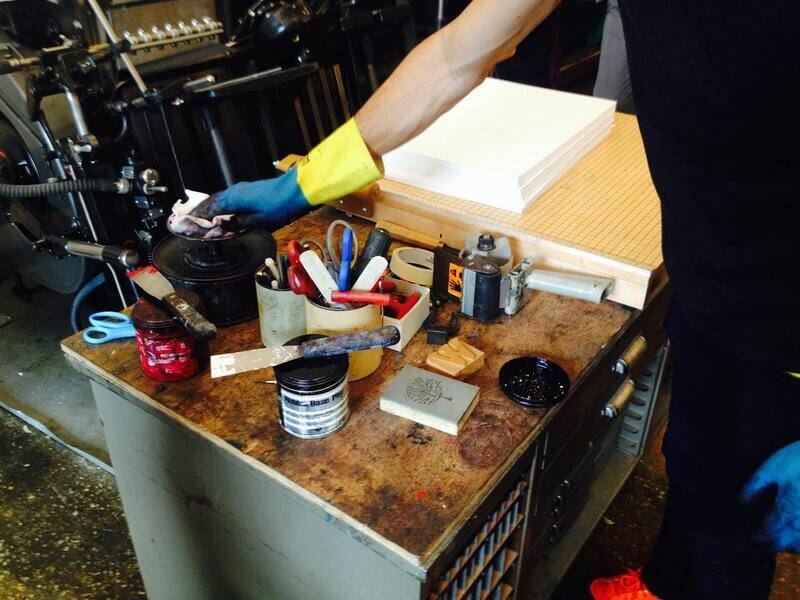
- Letterpress Printing: Known for its tactile texture and classic appearance, letterpress offers a sophisticated and elegant finish. It involves pressing inked images directly into the paper, creating a debossed effect that enhances the card’s feel and visual impact.
- Foil Stamping and Embossing: These finishing touches add metallic accents or raised textures, elevating the card's aesthetic. Foil stamping uses metallic foils to highlight certain areas, while embossing creates a three-dimensional effect to emphasize logos or text.
Choosing the Right Design and Material
The design and material choices significantly influence the impact and durability of name cards. When selecting a design, consider the following:
- Brand Identity: Ensure that the design aligns with your brand's color scheme, logo, and overall aesthetic.
- Readability: Opt for clear fonts and appropriate font sizes to facilitate easy reading of contact details.
- Unique Elements: Incorporate creative elements such as custom shapes, backgrounds, or finishes that make your card stand out.
Material selection affects the tactile feel, image quality, and longevity of the card:
- Standard Paper: The most common choice, offering affordability and a smooth finish, suitable for everyday use.
- Matte and Glossy Laminates: These provide added protection and enhance visual appeal. Matte finishes reduce glare with a subdued look, while glossy finishes highlight colors and details.
- Luxury Materials: Options such as plastic, metal, or textured specialty papers are available for premium branding, suitable for high-end markets.
Factors Affecting Printing Costs
Understanding the elements influencing price points helps in planning and budget management for name card printing:
- Quantity: Larger orders generally reduce the unit cost due to economies of scale. Minimum order quantities may apply depending on the printing method and provider.
- Design Complexity: Intricate designs, special finishes, and custom shapes require additional setup time and materials, increasing overall costs.
- Material Selection: Premium or specialty papers and finishes incur higher prices compared to standard options.
- Finishing Techniques: Embossing, foil stamping, or spot UV coatings add to the cost but significantly enhance visual impact.
- Turnaround Time: Urgent requests may attract premium charges due to expedited production and shipping.
It is advisable to communicate all specifications clearly when requesting quotes. Comparing quotes from multiple providers while considering their reputations for quality and service will ensure optimal value. Investing in high-quality materials and finishing techniques can also translate into greater durability and a more professional impression, justifying the extra expense.
Design Tips for Effective Name Cards
Creating a compelling name card involves careful consideration of layout, branding elements, and contact information placement. A well-designed card not only communicates professionalism but also leaves a lasting impression on recipients. When planning your design, prioritize clarity and simplicity to ensure essential information is easily accessible. Use a balanced layout that aligns your logo, name, title, contact details, and company branding harmoniously. Avoid clutter by limiting the use of excessive graphics or text, which can distract from the core message.
Incorporate your brand's visual identity through consistent use of colors, fonts, and logo placement. Position contact details strategically — typically at the bottom or on the sides — so that they are readily locateable without overpowering the design. Consider the use of whitespace to improve readability and give your card a clean, professional look. Including a subtle background pattern or texture can add uniqueness without compromising clarity.

Avoid common design mistakes such as inconsistent fonts, overly small text, or excessive graphics. Instead, opt for a cohesive style that aligns with your brand's personality. Utilizing high-quality images and vector graphics ensures sharpness across all printing formats. Remember, the goal is to create a card that is not only visually appealing but also functional, serving as an efficient tool for networking and professional representation.
Turnaround Time and Delivery Options
Optimizing your printing schedule depends heavily on understanding the typical turnaround times and available delivery methods. Standard processing usually takes between 24 to 72 hours, depending on the complexity of your design and chosen printing method. Rush orders are often possible but may come with additional fees. It’s recommended to plan well in advance for large events or important meetings to ensure sufficient stock of freshly printed cards.
When selecting delivery options, most printers in Singapore offer direct shipment to your business address or designated location. Some providers also facilitate courier services for faster delivery or bulk orders. It’s essential to confirm the estimated delivery date during the order process to avoid last-minute surprises. Additionally, requesting tracking information can help monitor the progress of your shipment and coordinate pickup or receipt efficiently.
Maintaining and Reordering Your Name Cards
Proper management of your name cards extends beyond initial printing. Store your cards in a clean, organized manner — typically in a dedicated cardholder or designated folder. This not only preserves their condition but also keeps your branding consistent during exchanges.
Reordering should be based on usage patterns, with a regular review of contact information to ensure accuracy and relevance. Keep digital copies of your design files and current contact details to facilitate quick reprints when needed. Before placing a reorder, it’s prudent to reassess the design for updates or improvements, especially if your branding has evolved. This proactive approach ensures your name cards always reflect your current professional image and branding standards.
Overview of Name Card Printing in Singapore
In Singapore's dynamic business landscape, having professionally printed name cards is essential for establishing credibility and making lasting impressions. The process involves selecting appropriate design elements, materials, and printing techniques that reflect your brand identity. Due to the city-state’s emphasis on professionalism and visual appeal, many print service providers offer a wide array of customization options to cater to diverse industry needs. Whether you're a startup owner, a corporate executive, or a freelancer, high-quality name card printing ensures your contact details and brand message are conveyed effectively, enhancing networking opportunities and fostering business growth.
Types of Name Card Printing Methods
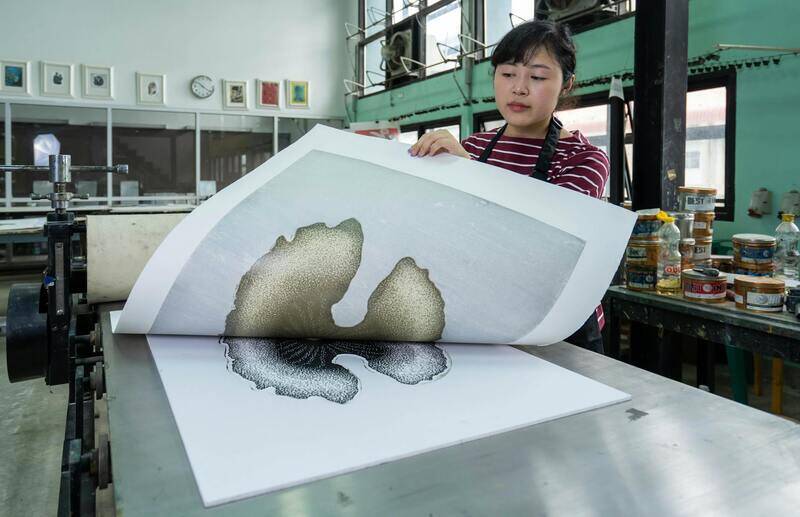
Choosing the right printing method in Singapore depends on your budget, design complexity, and desired finish. Some prevalent techniques include:
- Digital Printing: Ideal for small batches or quick turnarounds, digital printing offers flexibility and sharp color reproduction. It is cost-effective for short runs and allows for easy customization of each card if needed.
- Offset Printing: Suitable for larger quantities, offset printing provides high fidelity and consistent quality across bulk orders. It’s best when precise color matching and detailed designs are required.
- Letterpress and Embossing: These methods add tactile dimension to your cards, conveying sophistication and elegance. They are often used for luxury branding and corporate invitations.
- Foil Stamping: Incorporating metallic foils, this method creates eye-catching accents that emphasize logos or specific design elements, perfect for making your cards stand out.
Choosing the Right Design and Material
Design plays a crucial role in impactful name cards. Singaporean businesses often opt for minimalist layouts that clearly display essential details, but adding creative elements can enhance memorability. Consider incorporating your brand colors, logos, and unique fonts that align with your corporate identity.
Material selection affects both the feel and durability of your cards. Premium options like thick cardstock, matte or gloss finishes, textured papers, and eco-friendly materials are popular choices. These not only improve tactile appeal but also ensure longevity, enabling your cards to withstand daily handling while maintaining an appealing appearance.
Factors Affecting Printing Costs
The cost of name card printing in Singapore varies based on several key factors:
- Quantity: Bulk orders generally reduce the unit price, making large-scale printing more economical.
- Design Complexity: Custom artwork, intricate patterns, or special effects like embossing increase production costs.
- Material Choice: Premium papers and finishes are typically more expensive but offer a distinguished look and feel.
- Printing Method: Offset and special effects technologies tend to be costlier than digital printing, especially for small runs.
- Additional Services: Services such as lamination, spot UV coating, or custom die-cutting contribute to overall expenses.
Where to Find Name Card Printing Services in Singapore
Singapore is home to numerous reputable printing companies specializing in name card production. Major providers are concentrated in commercial areas such as Balestier Road, Ubi Techpark, and the Central Business District (CBD), where competitive pricing and quick turnaround times are common. Many companies also operate online platforms, allowing clients to upload designs and place orders conveniently. These online services often feature digital design tools and instant quotes, making the selection process more accessible. It’s advisable to choose vendors with a track record of quality and reliable delivery, especially for bulk orders or time-sensitive projects. Customer reviews and portfolio examples can serve as useful references when selecting a printing partner.
Design Tips for Effective Name Cards
Designing impactful name cards in Singapore requires understanding local business etiquette and visual trends. Keep the layout clean and uncluttered, ensuring that essential contact information is easily readable. Use high-contrast colors for text and backgrounds to enhance legibility. Incorporate your logo prominently, maintaining consistent branding elements throughout the design. Leveraging subtle textures or special finishes like matte or gloss can add a tactile quality that leaves a lasting impression. Additionally, consider the card’s size and shape—standard dimensions are practical, but unique cuts or rounded edges can distinguish your brand. Ensuring your design aligns with your industry expectations and personal branding goals will maximize effectiveness in professional exchanges.
Maintaining and Reordering Your Name Cards
To ensure your professional image remains consistent and impactful, it is essential to implement proper management practices for your name cards. Regularly audit your existing stock to identify outdated information, such as outdated phone numbers, addresses, or email addresses. Updating your design or contact details promptly helps maintain a professional appearance that reflects your current branding and contact information.
Proper storage is crucial to preserve the quality of your name cards. Keep them in a dedicated, organized container or cardholder to prevent damage, such as bending, fingerprints, or wear from frequent handling. Employing a neat filing system allows easy access, especially when preparing for networking events or client meetings.
Tips for Effective Storage and Maintenance
- Use a dedicated cardholder or a small drawer to keep your cards protected from dust, moisture, and physical damage.
- Avoid stacking your cards loosely; instead, store them upright or in organized sections for quick retrieval.
- Handle your cards with clean hands to prevent smudges or dirt buildup.
- If your cards feature special finishes or premium materials, store them in a way that minimizes scuffing or scratching.
Reordering and Restocking Strategies
Knowing when to reorder is vital for maintaining a consistent brand presence. Keep an inventory count of your remaining cards, and place a reorder before running out. It’s advisable to reorder early, especially if you plan to update your design or contact details, to ensure seamless transition with no gaps in distribution.
Partnering with reliable print providers like fastprinting.org ensures a smooth reordering process. Many vendors offer bulk discounts and expedited turnaround times, ideal for recurring needs. When reordering, consider revisiting your design to incorporate new branding elements or updated contact methods, enhancing your professional image and keeping your outreach current.