Overview of Large Format Printing
Large format printing refers to the process of creating images, graphics, and signage on substrates of substantial size, typically exceeding 24 inches in width. This specialized printing technique is characterized by its ability to produce high-resolution, vivid visuals on a variety of materials, making it essential for both indoor and outdoor applications. Industries ranging from advertising and retail to architecture and event management regularly employ large format printing to create impactful visual communication that captures attention and delivers messages effectively.
Common applications include billboard advertisements, building wraps, trade show displays, banners, vehicle graphics, and wall coverings. These printed items are designed not only for durability and weather resistance but also for visual clarity from considerable distances. As a versatile method of visual marketing, large format printing supports branding efforts, promotional campaigns, and informational displays across diverse sectors.
The demand for high-quality, custom-sized prints has risen significantly, positioning large format printing services as crucial for businesses and organizations seeking to optimize their visual outreach. Utilizing advanced printing techniques, these services ensure that graphics are sharply detailed with vibrant colors, thickened ink layers, and uniform coverage, which contributes to impactful visuals that stand the test of time and environmental exposure.
From crisp, detailed images on smooth paper substrates to resilient prints on outdoor-friendly materials like vinyl or mesh, the scope of large format printing is broad. It combines technological precision with creative versatility, enabling the production of visually stunning displays that align with specific project needs and environmental conditions. The strategic deployment of large format prints extends beyond aesthetics, serving as tools to inform, persuade, and enhance brand recognition in crowded spaces.
Materials Used in Large Format Printing
Choosing the right material is fundamental to achieving the desired durability, visual impact, and environmental suitability of large format prints. Common substrates include vinyl, fabric, paper, mesh, acrylic, and foam board, each with specific qualities tailored to particular applications. Vinyl remains the most popular choice for outdoor signage due to its weather-resistant properties, flexibility, and ease of installation. It supports vibrant color reproduction and can be printed with various technologies, such as solvent or UV printing, to enhance longevity. Fabric materials, including polyester and polyester blends, are favored for banners and retractable displays. They provide high-resolution image clarity and a premium appearance while also being lightweight and easy to transport. Paper and poster board are predominantly used for indoor displays, trade show signage, and point-of-purchase visuals because of their sharp print quality and affordability. Mesh banners incorporate perforations that allow wind passage, making them suitable for large outdoor applications where stability and breathability are necessary. For retail, wall coverings, or decorative purposes, materials like vinyl with matte or gloss finishes are employed to match aesthetic preferences and lighting conditions. In recent years, innovative materials such as eco-friendly substrates and digital textiles have gained prominence. These options not only meet sustainability goals but also extend the creative possibilities of large format printing, delivering high-quality visuals on environmentally responsible bases.

Design Considerations for Large Format Prints
Designing for large format printing involves strategic planning to ensure images are impactful, legible, and aligned with branding objectives. It starts with understanding the viewing distance; larger sizes require high-resolution images to maintain sharpness and reduce pixelation when viewed from afar. Color management is crucial. Using color profiles and mastering color calibration ensures the output matches the intended palette, especially when reproducing brand colors or complex images. High contrast and clear typography are important to enhance readability, particularly for banners or signage meant to be seen quickly. File preparation should focus on creating vector-based designs for logos and text, as they scale without loss of quality. Raster images need to be at a minimum of 300 dpi at final print size to achieve crisp reproduction. It's also essential to consider bleed areas and safe margins to prevent content from being cut off during trimming. Environmental factors such as lighting and installation environment influence material choice and design elements. For outdoor displays, designs with bold, simple visuals and minimal fine details perform better against varying weather conditions, glare, and distance.

Benefits of Using Professional Large Format Printing Services
Employing professional services for large format printing ensures high-quality output that effectively supports marketing and informational campaigns. Experts bring advanced technology, precise color management, and extensive experience, which collectively lead to vibrant, durable, and accurately reproduced visuals. One of the significant advantages is consistency across multiple prints. Professional printers use calibrated equipment and standardized processes to deliver uniform color and quality, which is vital for branding purposes. Additionally, professional providers can advise on suitable materials, finishing options, and installation techniques to maximize the lifespan and visual appeal of the print. They also handle complex file preparations and troubleshooting, reducing the risk of errors during production. Time efficiency is another key benefit. With streamlined workflows and high-capacity equipment, professionals can meet tight deadlines without compromising quality. This reliability is crucial for campaigns or events where timing is critical. Overall, leveraging expert services in large format printing enhances the visual impact, durability, and professionalism of printed materials, ensuring they meet strategic objectives and continue to impress over time.
Materials Used in Large Format Printing
Successful large format printing begins with selecting the appropriate substrate, which significantly influences the durability, appearance, and overall effectiveness of the final product. The choice of material depends on the intended application, environmental exposure, and desired visual impact, making it crucial to understand the options available in the industry.
Vinyl remains one of the most popular substrates, especially for outdoor advertising such as banners and billboards. Its flexibility and weather resistance make it ideal for long-term displays that must withstand elements like wind, rain, and sun exposure. When selecting vinyl, opting for weatherproof options with UV coatings ensures color preservation and structural integrity over time.
Fabric substrates, including mesh and backlit fabrics, are increasingly used for impactful visuals in indoor settings such as trade show displays and retail environments. These materials offer a high-quality finish with vibrant color depth and are generally lightweight, making installation easier. Moreover, fabric prints are often washable and recyclable, aligning with sustainable practices.

Paper options are suitable for indoor applications like posters, point-of-sale displays, or art reproductions. Although paper is generally less durable against environmental factors, it provides excellent print quality with fine detail and vibrant tones. It's important to consider coated papers for higher durability and color fidelity.
Plastics such as coroplast and lexan are often used for signage that requires a rigid finish. These materials are impact-resistant, weatherproof, and suitable for both indoor and outdoor use. Their rigidity makes them ideal for signage that needs to stand upright or be mounted on various surfaces.
The selection of substrate affects not only the visual quality but also the installation process and longevity of the print. Professional large format printing providers can advise on the most suitable materials based on environmental conditions, desired lifespan, and budget constraints, ensuring the end result aligns with strategic objectives.
Overview of Large Format Printing
Large format printing is an essential process for creating eye-catching visual displays, signs, and banners that are intended to be viewed from a distance or in expansive environments. This printing technique involves the use of specialized printers capable of producing high-resolution images on wide media, typically exceeding 24 inches in width. Such capabilities enable businesses and individuals to produce impactful marketing collaterals, event signage, murals, and more, with precise color rendering and detailed imagery. The scale and quality of large format prints demand advanced machinery and materials, which ensure that the final output maintains clarity and vibrancy even when viewed from afar or outdoors.
Types of Large Format Printing Technologies
Various printing technologies are employed in large format printing, each suited to different applications, material choices, and budget considerations. The primary methods include:
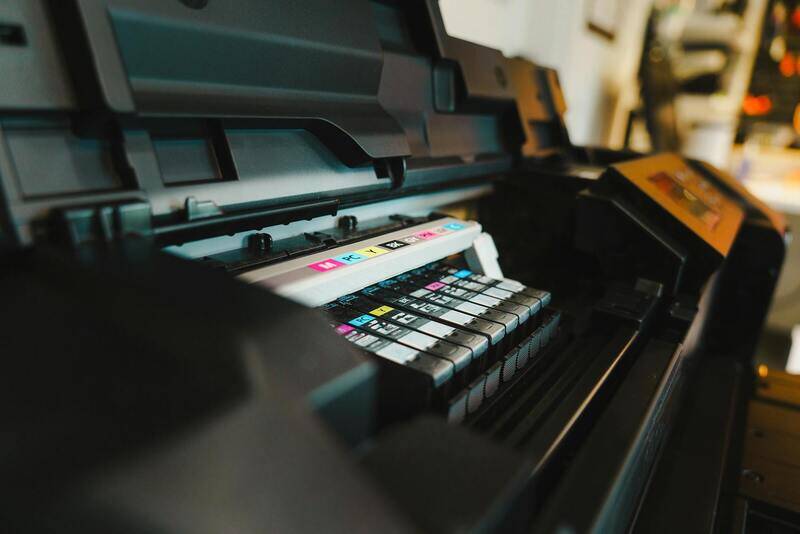
- Inkjet Printing: This is the most prevalent technology used in large format printing. It involves propelling tiny droplets of ink onto substrates with high precision, enabling detailed images with a broad color spectrum. Inkjet printers are compatible with a variety of media, including vinyl, fabric, and specialty papers, making them highly versatile.
- Solvent and Eco-Solvent Printing: These methods use solvent-based inks that provide excellent adhesion to non-porous substrates such as vinyl and plastic. They are favored for outdoor signage due to their durability and weather resistance. Eco-solvent options are environmentally friendlier, emitting fewer volatile organic compounds (VOCs).
- UV Printing: Ultraviolet (UV) printing utilizes UV light to instantly cure the ink upon contact with the substrate. This technology allows printing on virtually any surface, including rigid materials like acrylic, wood, and metal. UV printing produces durable, scratch-resistant images ideal for signage and decorative items.
- Laminating and Finishing Techniques: Post-print processes enhance the longevity and visual appeal of large format prints. Laminating provides additional protection against UV rays, scratches, and water while also offering options for matte or gloss finishes.
Materials Used in Large Format Printing
The choice of substrate significantly influences the durability, appearance, and application of large format prints. A variety of materials are utilized, each offering distinct benefits tailored to specific project requirements:
- Vinyl: The most common material for outdoor signage and banners due to its weather resistance and flexibility. Vinyl allows for vibrant color reproduction and can be easily mounted or sewn for large displays.
- Fabric: Used primarily for trade show displays, backdrops, and indoor banners, fabric substrates provide a high-quality, soft finish with excellent image clarity. They are lightweight, washable, and recyclable, aligning with sustainable practices.
- Plastic and Rigid Substrates: Materials like coroplast, lexan, and acrylic are ideal for signage that requires a sturdy, impact-resistant form. These substrates are weatherproof and suitable for both indoor and outdoor applications, especially when rigidity and durability are priorities.
- Paper and Coated Papers: Suitable for indoor displays such as posters, point-of-sale materials, and art reproductions. Coated papers enhance color fidelity and detailed images but are less suited for outdoor use due to environmental sensitivity.

The selection of the appropriate material depends heavily on the project's intended environment, expected lifespan, and budget. Professional printing services can provide expert guidance to ensure that the chosen substrates meet the specific needs and strategic goals of each project, balancing factors such as color vibrancy, environmental resilience, and cost efficiency.
Overview of Large Format Printing
Large format printing is a specialized process that involves creating high-quality images on expansive surfaces, enabling businesses and organizations to effectively communicate their messages through impactful visuals. This technology is employed across a diverse array of industries, including advertising, retail, event management, and architecture. The primary goal is to produce vivid, durable, and precise prints that can capture attention from considerable distances or in large-scale displays. The ability to manufacture prints that retain clarity and color integrity at substantial sizes has made large format printing an essential solution for banners, posters, trade show displays, vehicle wraps, and architectural renderings.
In the realm of large format printing, versatility and technical precision are paramount. Not only does it require the right technology, but also the wise selection of materials, proper design techniques, and professional implementation. When executed correctly, large format printing creates visual impact that can significantly enhance brand visibility and engagement. Choosing professional services for this process ensures the final product aligns seamlessly with strategic marketing goals while maintaining high standards of quality and durability.
Types of Large Format Printing Technologies
Modern large format printing relies on a variety of advanced technologies tailored to different applications and material types. The most prevalent methods include:
- Solvent/Eco-Solvent Printing: This technique uses solvent-based inks, offering excellent adhesion to non-porous materials like vinyl and banners. It produces vibrant colors and long-lasting results suitable for outdoor applications.
- UV Printing: Utilizing ultraviolet light to instantly cure inks as they are printed, UV printing allows on-demand production on rigid and flexible substrates. It is ideal for producing sharp images on materials such as acrylics and metals.
- Latex Printing: Known for its eco-friendly profile, latex printing uses water-based inks that are flexible and safe for indoor and outdoor use. It provides high-quality, durable prints with a soft finish, suitable for banners and wall coverings.
- Solvent Displacement or Eco-Solvent Printing: An evolution of traditional solvent printing, offering reduced odor and environmental impact while maintaining excellent color brightness on outdoor materials.
Each technology possesses unique strengths that can be matched to specific project needs—whether emphasizing color vibrancy, environmental safety, or compatibility with particular substrates. Selecting the appropriate technique is essential to achieving the desired visual effects, longevity, and cost-efficiency in large format projects.
Materials Used in Large Format Printing
The choice of material fundamentally influences the appearance, durability, and application scope of a large format print. The primary substrates include:
- Vinyl: The most popular outdoor material, vinyl’s weather resistance and flexibility make it ideal for banners, vehicle wraps, and signage that require longevity and resilience.
- Fabric: Used mainly for indoor displays such as trade show backdrops and soft signage, fabric offers a refined appearance with excellent image clarity and ease of handling. It is lightweight and capable of being washed or recycled, supporting sustainable practices.
- Plastic and Rigid Substrates: Materials like coroplast, Lexan, and acrylic provide impact resistance and rigidity for signs requiring sturdiness, often used for both indoor displays and outdoor signage subject to environmental stress.
- Coated Papers and Specialty Media: Ideal for indoor posters, point-of-sale displays, and art reproductions where detailed color fidelity and sharpness are critical. Coatings improve image vibrancy but limit outdoor longevity, making them suitable for short-term applications.
The material selection hinges on specific project requirements involving environmental exposure, installation logistics, budget constraints, and desired visual effects. Professional large format printing services offer guidance and expertise in marrying these factors to produce optimal, enduring displays tailored to client needs.
Understanding the Substrate Selection Process in Large Format Printing
Choosing the right substrate is a critical step in producing high-quality large format prints that meet both aesthetic and functional requirements. Professional large format printing services employ a rigorous evaluation process to determine the most suitable materials for each project, considering factors such as environmental exposure, intended lifespan, visual impact, and installation conditions.
Key Factors Influencing Material Choice
- Durability and Weather Resistance: Outdoor applications demand materials capable of withstanding elements like rain, wind, UV rays, and temperature fluctuations. Vinyl and rigid plastics such as coroplast or acrylic often provide the necessary resilience.
- Visual and Textural Appeal: Indoor environments or aesthetic-focused displays benefit from materials like fabric and coated papers that offer superior image clarity, texture, and color vibrancy.
- Ease of Installation and Handling: Lightweight options like fabric or flex materials simplify installation, especially for large, intricate displays.
- Cost and Budget Constraints: Material selection also hinges on project budgets, with options like vinyl offering cost-effective solutions for expansive signage, while premium materials may be preferred for high-end displays.
- Sustainability Goals: Eco-friendly options, such as recyclable fabrics or biodegradable papers, are increasingly integrated into material choices, aligning with sustainable practices without compromising quality.
Professional Guidance in Material Selection
Leveraging the expertise of experienced printers ensures that the chosen substrates complement the design and installation environment. This professional input helps optimize print longevity, appearance, and cost efficiency, leading to results that align with client expectations and project specifications.
Technological Compatibility and Substrate Compatibility
Advancements in printing technologies necessitate the use of compatible materials to achieve optimal results. Digital printers are equipped to handle a variety of substrates—each requiring specific preparation and handling techniques. Professional printers are well-versed in the nuances of different media, ensuring proper adhesion, color fidelity, and durability.

Ensuring Long-Term Results Through Proper Material Handling
Once the appropriate substrates are selected, correct handling, storage, and preparation are essential to maintain their integrity before printing. Proper cleaning, tensioning, and environmental controls during production and post-production further contribute to the longevity and visual quality of the finished product.
Partnering with a professional large format printing provider guarantees the use of reputable, tested materials that meet industry standards for quality and performance. Their expertise translates into durable, vibrant displays that stand out and sustain their visual impact over time, regardless of environmental challenges or installation demands.
Overview of Large Format Printing
Large format printing is a specialized segment of the printing industry dedicated to producing oversized images, banners, signs, and displays. This process involves high-resolution digital printing technology capable of printing on a variety of expansive surfaces. These prints serve vital roles across industries such as advertising, event promotion, interior decoration, and industrial signage. A key factor in large format printing is its ability to deliver vibrant, detailed images that capture attention from a distance, making it an invaluable tool for impactful visual communication.
Types of Large Format Printing Technologies
Several advanced printing techniques are employed in the production of large format prints, each suited for specific applications and substrate compatibilities:
- Solvent and Eco-Solvent Printing: Known for their durability and color vibrancy, these systems are ideal for outdoor signage and banners. The solvent-based inks are resistant to weathering and fading.
- UV Printing: This method uses ultraviolet light to cure inks instantly on a variety of surfaces, enabling printing on rigid substrates such as acrylic, wood, and metal. UV printing offers high-quality finishes with a quick turnaround.
- Latex Printing: Recognized for eco-friendliness, latex printers produce flexible, weather-resistant prints suitable for both indoor and outdoor applications. They are valued for their quick drying times and vibrant color output.
- Piezoelectric Inkjet Printing: Common in high-resolution applications, this technology can deliver detailed images on diverse materials, including fabric and specialty media, making it versatile for various large format needs.

Materials Used in Large Format Printing
The foundation of successful large format printing lies in selecting suitable substrates. These materials must exhibit proper adhesion qualities, durability, and appearance consistency. The primary materials used include:
- Vinyl: A flexible and weather-resistant material, vinyl is commonly used for banners, vehicle wraps, and outdoor signage.
- Canvas: Ideal for art reproductions and high-end interior displays, canvas provides a textured, classic appearance.
- Backlit Films: Specifically designed for lightbox displays, these films enhance backlit images with vibrant illumination.
- Acrylic and Polycarbonate: Rigid and transparent, these materials are perfect for custom signage, retail displays, and decorative panels.
- Fabric Substrates: Used in folding displays, trade show booths, and softer interior applications, these materials require specialized printing techniques.

Design Considerations for Large Format Prints
Creating effective large format prints involves meticulous attention to design elements that ensure visual clarity, color fidelity, and functional durability. Key considerations include:
- Resolution: High-resolution images are essential to maintain detail and sharpness at large scales. Typically, a minimum of 150 dpi at final size is recommended.
- Color Profiles: Consistent color management through calibrated devices ensures accurate color reproduction and brand consistency across multiple prints.
- File Preparation: Print-ready files should be created with appropriate bleed, margins, and vector or raster formats, depending on the output medium.
- Environmental Factors: Designs should account for viewing distance and lighting conditions, influencing color choices and contrast levels.
- Installation Considerations: For large-scale indoor or outdoor displays, design elements must include considerations for mounting, tensioning, and environmental exposure to prevent damage or warping.

Benefits of Using Professional Large Format Printing Services
Engaging a professional service provider offers numerous advantages that directly impact the quality and longevity of the final product. These benefits include:
- Expertise and Experience: Professionals bring a deep understanding of material properties, color management, and printing techniques, ensuring consistent high-quality outputs.
- Advanced Equipment: State-of-the-art printers and finishing tools allow for precise, vibrant, and durable prints that stand the test of time.
- Material Selection and Handling: Reputable providers adhere to strict standards in sourcing and managing substrates, optimizing print performance and lifespan.
- Color Accuracy and Consistency: Using calibrated workflows guarantees that colors are reproduced accurately across all prints, preserving brand integrity.
- Time and Cost Efficiency: Professional services streamline the production process with efficient workflows, reducing waste and turnaround times while ensuring competitive pricing.
- Post-Production Support: Finishing, lamination, and mounting services provided by experts enhance durability and visual appeal, providing ready-to-install solutions.
Choosing the Right Large Format Printing Provider
When selecting a provider for large format printing services, it is crucial to evaluate their capabilities, facilities, and track record to ensure your project achieves the desired impact. A reputable provider utilizes advanced printing technology, offers a wide range of material options, and maintains high standards for color accuracy and image resolution. They should also be able to handle varied project scopes, from short-term promotional displays to permanent signage installations, demonstrating flexibility and expertise.
Transparency in service offerings and clear communication about turnaround times, pricing, and post-printing support distinguishes a leading provider from less experienced competitors. Additionally, check for certifications or industry affiliations, which indicate adherence to quality standards and continuous improvement practices. Clients can also benefit from reviewing portfolios or case studies to gauge the scope and quality of previous projects, ensuring their specific needs will be met with precision and professionalism.

Final Considerations for Optimal Results
Ensuring your large format printing project is executed flawlessly involves careful planning and consultation. Engage with providers who prioritize clear communication, detailed quotations, and comprehensive support throughout the process. It is also advisable to discuss the intended environment where the prints will be displayed, as this influences material choice and finish options. For instance, outdoor signage requires weather-resistant substrates and UV coatings, while indoor displays may prioritize vibrant color reproduction and sleek finishes.
Furthermore, verify their capacity for finishing services such as lamination, mounting, and framing, which enhance durability and presentation quality. Understand the importance of proofing steps, including digital or physical proofs, to confirm color accuracy and layout precision before proceeding to the final print. By ensuring these elements are addressed, businesses can avoid costly revisions and ensure the final product aligns with branding and design expectations.
Investing in a dedicated, professional large format printing service guarantees high-quality outputs that resonate visually across various applications. From large banners and wall murals to trade show displays and retail signage, the right provider combines technology, expertise, and customer-focused service to deliver exceptional results that meet both aesthetic and functional needs.