Overview of Card Printing Services
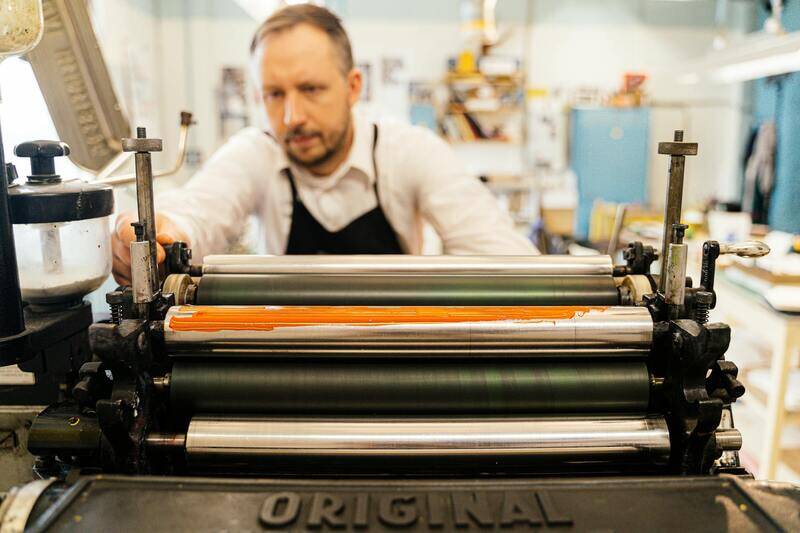
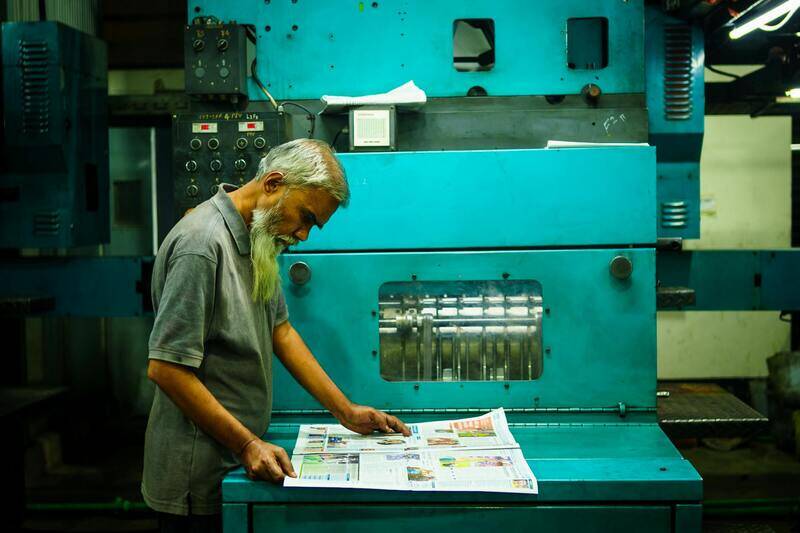
Card printing services play a vital role in various commercial and personal applications by providing high-quality, customized cards that serve multiple purposes. These services are essential for creating professional business cards, membership cards, loyalty cards, gift cards, ID badges, and event passes. In Singapore, a city renowned for its vibrant business environment and emphasis on quality, the demand for reliable card printing solutions continues to grow.
The primary purpose of card printing is to produce durable, visually appealing cards that effectively communicate brand identity or serve functional roles. Whether for corporate branding, promotional activities, or identification, these services cater to a wide range of needs with tailored options. The common uses in Singapore include business branding, client gift programs, membership management, and event identification, reflecting the diverse requirements of businesses and organizations.
Card printing services also vary in scope and specialization. Some operate as small local enterprises focusing on quick, affordable print jobs, while others are large-scale providers equipped with advanced printing technology to deliver complex, customized solutions. The proliferation of digital design tools has empowered clients to participate actively in the creative process, ensuring the final product aligns with their vision.
In an increasingly competitive market, the importance of utilizing professional card printing methods is unquestionable. High-quality printing not only enhances visual appeal but also ensures the durability and longevity of the cards, which is critical for maintaining a company's professional image. Consequently, selecting the right card printing service can significantly impact the effectiveness of the cards in promoting brand recognition and operational efficiency.

Materials and Finishes in Card Printing
Choosing the appropriate materials and finishes is essential for creating durable and visually appealing cards that meet the specific needs of each application. High-quality card printing services typically offer a variety of material options, including standard cardstock, PVC, PET, and specialty plastics. Each material possesses unique properties that influence the card’s rigidity, flexibility, water resistance, and overall lifespan.
Standard cardstock is economical and suitable for short-term use, such as event badges or temporary membership cards. For products requiring enhanced durability, PVC and PET materials are preferred due to their resistance to wear and environmental factors. These materials produce cards that are water-resistant, tear-resistant, and capable of withstanding frequent handling.
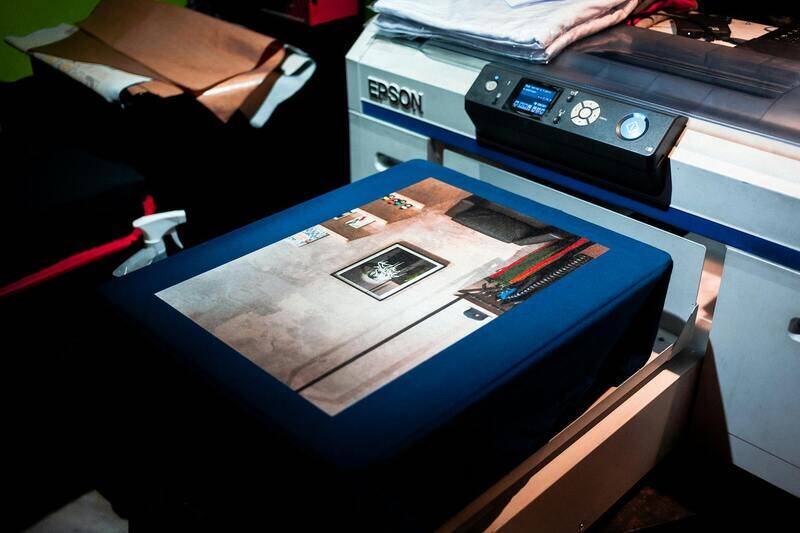
Finishing options further elevate the aesthetic appeal and functional durability of printed cards. Common finishes include matte, gloss, and satin, each imparting a distinct tactile and visual effect. Matte finishes reduce glare and fingerprints, ideal for professional business cards. Gloss finishes enhance vibrancy and color depth, making images and logos more striking. Satin finishes offer a balanced, smooth appearance that combines the benefits of matte and gloss.
Specialty finishes such as spot UV coating, embossing, foil stamping, and spot gloss can add custom flair and texture, making your cards stand out. Additionally, rounded corners, laminated overlays, and magnetic stripes can be integrated to enhance usability and security.
By selecting the right combination of materials and finishes, businesses can produce cards that not only reflect their branding identity but also withstand the rigors of daily use, ensuring lasting impressions.
Materials and Finishes in Card Printing
Choosing the right materials and finishes is fundamental in producing high-impact, durable cards that serve their intended purpose effectively. The primary materials used in professional card printing include PVC, which is highly durable and water-resistant, making it ideal for identification and access control cards. Cardstock, on the other hand, offers a more cost-effective solution suited for short-term use like event badges or promotional cards. Polyethylene Terephthalate (PET) is another versatile material known for its strength and environmental resistance, suitable for items subjected to frequent handling.
Finishes play a pivotal role in enhancing both the visual appeal and functional resilience of printed cards. Matte finishes are preferred for their ability to reduce glare and hide fingerprints, giving a sophisticated, professional look—especially on business cards. Gloss finishes, which feature a shiny, reflective surface, dramatically amplify colors and images, making logos and photographs more vibrant and eye-catching. Satin finishes strike a balance, offering a smooth, semi-gloss surface that combines durability with visual appeal.

Beyond basic finishes, specialty coatings and effects are frequently utilized to add distinctive textures and visual interest. Spot UV coating creates shiny accents that catch the eye, often used on logos or key text. Embossing introduces a raised effect, adding a tactile dimension to design elements. Foil stamping provides metallic accents with a reflective sheen, ideal for premium branding. Spot gloss can be selectively applied to specific areas, creating contrast and depth.
Additional features like rounded corners, laminations, magnetic stripes, and security holograms enhance the card’s usability and security. Laminated overlays protect against scratches and environmental damage, extending the life of the card. Magnetic stripes enable data storage for access control or loyalty programs, while holograms can provide verification or anti-counterfeit measures.
By carefully selecting suitable materials and finishes, businesses and individuals can produce custom cards that not only align with their branding strategies but also withstand the demands of daily use. This customization ensures that each card communicates professionalism, durability, and a unique visual identity that leaves a lasting impression.
Materials and Finishes in Card Printing
Choosing the appropriate materials and finishes is crucial to producing high-quality, durable custom cards that meet specific functional and aesthetic requirements. Printing services like those available at fastprinting.org offer a variety of substrate options and finishing techniques tailored to different applications. When selecting materials, considerations include thickness, flexibility, resistance to wear, and the environment in which the card will be used.
Common card materials include PVC, polyester, and composite plastics. PVC remains the most popular choice due to its versatility, durability, and ease of printing. It provides a sturdy surface that resists bending, scratching, and exposure to moisture, making it ideal for business cards, ID badges, loyalty cards, and membership cards. Polyester offers enhanced chemical resistance and is suitable for more demanding environments or for applications requiring higher longevity. Composite materials combine layers of different substrates to optimize strength, flexibility, and cost-efficiency.

Types of Finishes to Enhance Card Appearance and Durability
Finishes significantly influence the tactile experience and visual appeal of printed cards. Standard options include matte, gloss, and satin finishes, each providing distinct attributes.
- Matte Finish: Provides a non-reflective surface that minimizes fingerprints and glare. It contributes to a sophisticated, understated look and is resistant to scratches.
- Gloss Finish: Adds vibrancy and depth by producing a shiny, reflective surface. It enhances colors and details, making images and logos stand out sharply.
- Satin Finish: Balances the characteristics of matte and gloss, offering a smooth, semi-gloss surface that combines durability with visual appeal.
Beyond basic finishes, specialty coatings like spot UV or matte UV can be selectively applied to highlight certain areas such as logos or text, adding visual interest and depth. Embossing creates a raised pattern or lettering, providing a tactile dimension that can make a card more memorable. Foil stamping introduces metallic accents, often in gold, silver, or holographic finishes, delivering a luxurious appearance suitable for premium branding.
Additional features such as rounded corners, lamination, magnetic stripes, and security holograms are frequently incorporated to enhance functionality and safeguard against tampering. Laminated overlays protect against environmental damage and scratches, extending the card’s lifespan. Magnetic stripes enable data storage, facilitating access control or reward programs. Security holograms can serve as verification markers or anti-counterfeit measures, adding an extra layer of authenticity control.

Overview of Card Printing Services
Card printing services have become an essential resource for a diverse range of industries, from corporate branding and personalized gift cards to membership and identification cards. These services provide professional-grade solutions that ensure high-quality, durable, and visually appealing cards tailored to specific needs. Utilization of advanced technologies and a broad selection of customization options allows businesses and individuals alike to produce cards that effectively communicate their identity, convey trustworthiness, and leave a lasting impression.
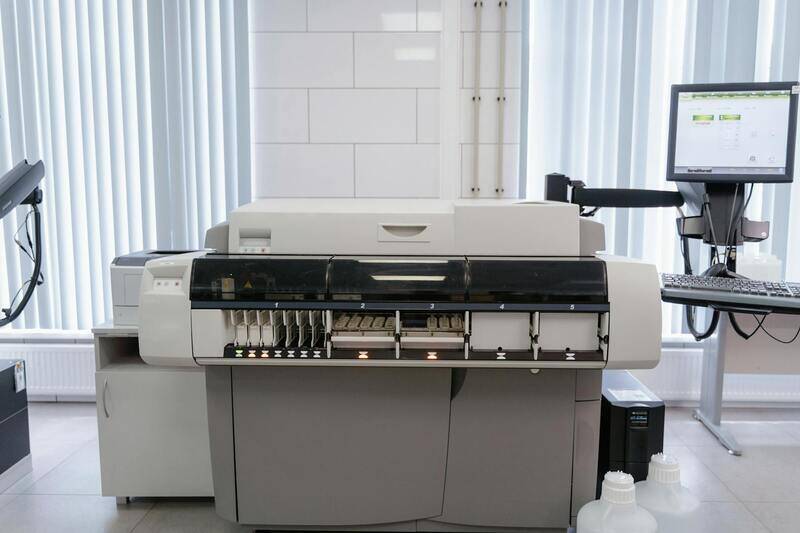
Choosing a reputable card printing service is crucial for ensuring the produced cards meet industry standards and satisfy unique branding or functional requirements. These providers typically operate with state-of-the-art equipment and employ rigorous quality control processes to guarantee consistency and excellence in every print run. With the ability to handle large volume orders or bespoke projects, a professional card printing service offers the flexibility and reliability necessary to support diverse application demands.
Types of Cards Offered by Printing Services
Printing companies typically provide a wide range of card types, each designed to serve specific purposes:
- Business Cards: Classic marketing tools used for networking, emphasizing branding, contact information, and professional aesthetics.
- Identification Cards: Utilized in corporate environments, schools, or events, these cards often integrate security features and access controls.
- Membership and Loyalty Cards: Designed to foster customer retention through rewards programs, often incorporating magnetic stripes or RFID chips.
- Gift and Prepaid Cards: Popular in retail and hospitality sectors, these cards facilitate cashless transactions and gift-giving.
- Event Badges and Passes: Essential for security and access control at conferences, festivals, and other gatherings.
Materials and Finishes in Card Printing
The durability and appeal of printed cards depend heavily on the materials and finishes selected. High-quality card printing services typically utilize a variety of substrates and finishing options to suit different needs:
- Materials: The core material for most cards is PVC, offering durability and flexibility. Alternatives such as PET, composite, or biodegradable options are available for environmentally conscious clients.
- Finishes: Forms of surface treatments include matte, gloss, and satin, each offering different visual effects and tactile experiences. Matte finishes tend to mask fingerprints and scratches, providing a sophisticated appearance. Gloss finishes boost vibrancy, making colors and details pop, ideal for promotional or branding visuals. Satin strikes a balance, providing a semi-gloss sheen with enhanced durability.
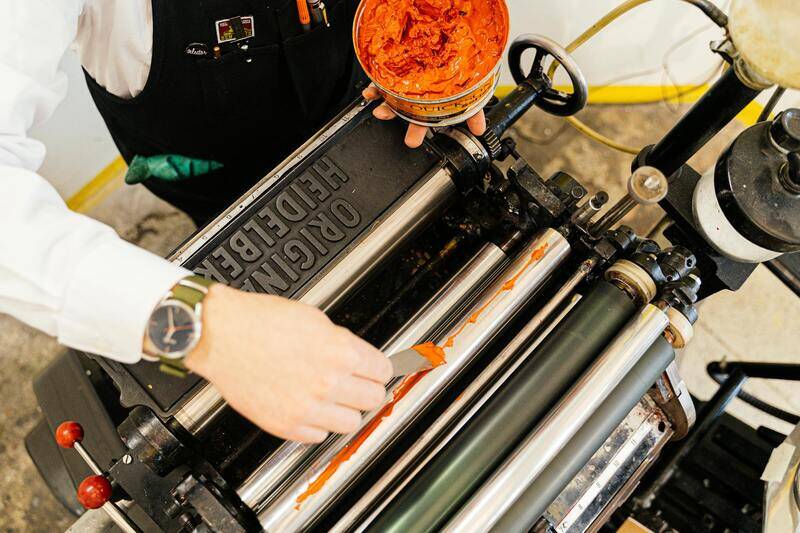
Beyond basic finishes, specialty coatings such as spot UV, lamination, or embossed details are often applied to create visual interest and added security. Matte or glossy lamination further protects the card against environmental damage and wear. For premium applications, foiling and embossing techniques can create tactile textures and metallic accents, elevating the overall look.
Design Considerations for Custom Cards
Effective design is fundamental to creating impactful printed cards. A skilled card printing service collaborates closely with clients to ensure their visual identity is accurately conveyed through thoughtful layout and imagery. Tips for optimal design include:
- Using high-resolution artwork to ensure clarity in printing.
- Maintaining balanced color schemes that reflect the brand identity.
- Incorporating security features or holograms where necessary to prevent counterfeiting.
- Choosing appropriate finishes that align with the card's purpose and aesthetics.
- Aligning text and logos to ensure legibility and visual harmony.
Additionally, considerations such as rounded corners, magnetic stripes, and security holograms can enhance functionality and security, making the card not just visually appealing but also highly practical in its intended application.
Overview of Card Printing Services
Card printing services play a vital role in producing a wide array of custom cards tailored for various professional and personal needs. These services utilize advanced printing technologies and high-quality materials to deliver durable, visually appealing cards. Whether creating business cards, ID badges, membership cards, or promotional items, a reliable card printing provider ensures the final product aligns with specific branding standards, aesthetic preferences, and functional requirements.
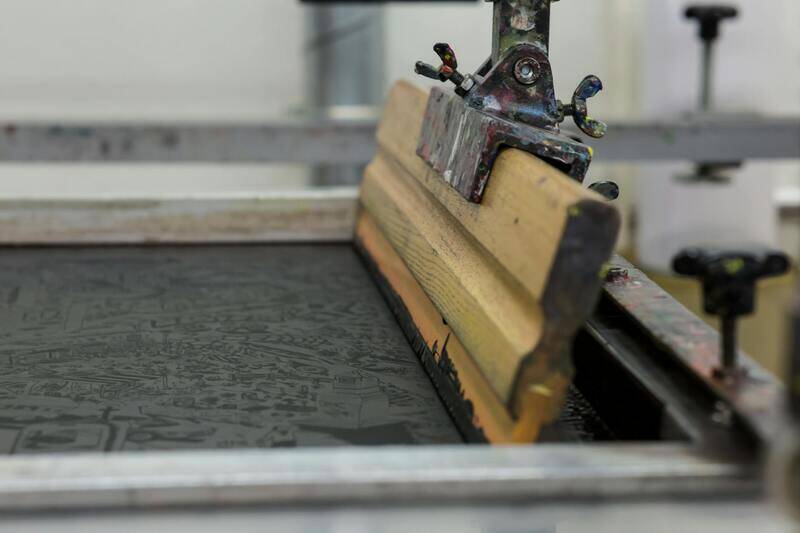
Clients can often choose between various printing options, materials, and finishes to best suit their intended use. A reputable card printing service not only guarantees the accuracy of color and design reproduction but also offers a range of customization features that enhance the card's usability and visual impact. With the rise in demand for personalized and branded items, the importance of choosing a service that emphasizes quality control, craftsmanship, and modern production techniques becomes increasingly apparent.
Types of Cards Offered by Printing Services
Card printing services cater to multiple categories, each with distinct specifications and features. Common types include:
- Business Cards: The quintessential networking tool, often customized with unique finishes and textures to stand out.
- Identification Cards: Used for secure access, these cards often incorporate security features such as holograms or magnetic stripes. li> Membership and Loyalty Cards: Designed to encourage customer retention, these cards frequently include barcodes or QR codes for easy tracking and redemption.
- Gift and Promotional Cards: Visually vibrant and engaging, these cards are intended to attract attention and promote brand awareness.
Materials and Finishes in Card Printing
The selection of materials significantly influences the durability, appearance, and tactile quality of printed cards. Common substrates include PVC, PET, and other plastics that offer resistance against bending, water exposure, and general wear. For specialized applications, kraft paper or composite materials may also be utilized.
Finishing options further enhance the visual appeal and longevity of printed cards. These include:
- Matte Finish: Provides a subdued, sophisticated look with reduced glare, suitable for professional or understated branding.
- Glossy Finish: Enhances color vibrancy and sharpness, making images and logos pop with a shiny surface.
- Satin Finish: Balances gloss and matte qualities, offering a mild sheen with increased durability.
- Specialty Coatings: Spot UV, lamination, embossing, or foil stamping can add tactile elements, metallic accents, or protective layers that resist scratches and environmental damage.

Design Considerations for Custom Cards
Creating visually compelling and functional custom cards requires meticulous design planning. A professional card printing service collaborates closely with clients to develop layouts that optimize space, readability, and brand representation. Key considerations include:
- High-Resolution Artwork: Ensures crisp details and vibrant colors upon printing, avoiding pixelation or blurriness.
- Color Balance: Maintaining consistent color schemes that align with brand guidelines enhances recognition and aesthetic harmony.
- Security Features: Incorporating holograms, microtext, or embedded security threads can prevent counterfeiting and unauthorized duplication.
- Finish Selection: Choosing the appropriate coating or texture complements the card's purpose, whether professional or promotional.
- Layout Precision: Ensuring that logos, text, and images are properly aligned and legible, with enough negative space for clarity.
- Additional Functional Elements: Rounded corners, magnetic strips, QR codes, or embedded chips can be integrated seamlessly into the design for enhanced utility.
Effective design not only elevates the aesthetic appeal but also encourages appropriate handling and interaction, making the card a powerful communication and branding tool.
Overview of Card Printing Services
Card printing services have become integral to numerous industries, offering customized solutions that meet diverse visual, functional, and security requirements. These services leverage advanced technology and high-quality materials to produce a wide array of cards, including business, ID, membership, loyalty, gift, and promotional cards. Such services are essential for organizations aiming to reinforce their branding, ensure operational security, and provide convenience to their clients or members. Reliable card printing providers typically adhere to strict standards in quality control, material selection, and printing techniques, ensuring each card not only looks professional but also withstands everyday use.
Professional card printing is distinguished by a comprehensive approach, from initial design consultation to final delivery. This process involves meticulous attention to detail, ensuring that each card aligns perfectly with its intended purpose, aesthetic standards, and security protocols. By partnering with a reputable printing service, organizations can access a suite of customization options that elevate their branding efforts while maintaining functional integrity.

Types of Cards Offered by Printing Services
Modern printing providers offer a broad spectrum of card types, each designed to fulfill specific needs across different sectors. Key categories include:
- Business Cards: Standard professional cards that serve as networking tools, emphasizing brand identity through logo placement, contact details, and design elements.
- Identification (ID) Cards: Used by organizations to verify personnel or access, often incorporating security features like holograms or embedded chips.
- Membership and Loyalty Cards: Facilitate customer retention with durable, eye-catching cards that can include magnetic stripes or barcodes for easy tracking.
- Gift and Promotional Cards: Designed for marketing campaigns, these can be customized with vibrant graphics and secure features for code redemption.
- Event and Conference Passes: High-quality cards that include attendee information, QR codes, and security features for access control.
Materials and Finishes in Card Printing
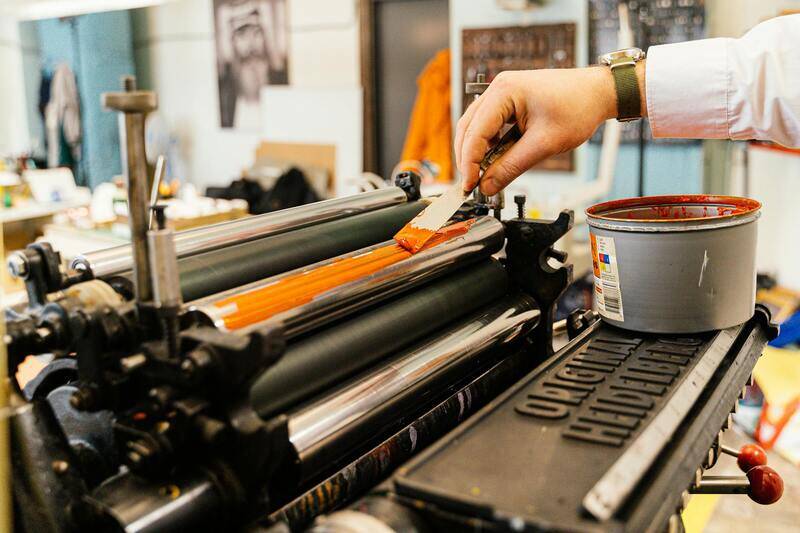
The choice of materials and finishes greatly influences a card’s durability, appearance, and tactile experience. Standard materials include PVC, PET, and Teslin, each selected for their resilience and printability. For premium options, specialty materials like metal, wood veneer, or laminated composites may be used to create distinctive, high-end cards. Finishing options further enhance the visual appeal and protection of printed cards. Common finishes such as matte, gloss, or satin coatings not only improve aesthetics but also provide corrosion resistance and scratch resistance. Additional embellishments like foil stamping, embossing, or spot UV coating add texture and metallic accents that elevate the card’s luxury appeal.

Design Considerations for Custom Cards
Creating visually compelling and functional custom cards relies heavily on strategic design elements. Collaborating with expert designers and printers ensures the final product communicates the intended message clearly and effectively. Key design principles include:
- High-Resolution Artwork: Crisp, detailed images and vibrant colors prevent pixelation and ensure the card captures attention.
- Color Harmony: Consistent color schemes that align with brand guidelines reinforce recognition and aesthetic coherence.
- Security Elements: Incorporation of holograms, microtext, embedded chips, or watermarks enhances security without compromising on design flexibility.
- Finish and Texture: The choice between matte, gloss, or textured finishes influences both look and feel, aligning with the card's purpose.
- Layout and Spacing: Proper alignment of logos, text, and images ensures legibility and visual balance, with attention to negative space for clarity.
- Functional Features: Integration of magnetic strips, QR codes, embedded chips, or rounded corners expands utility and user interaction.
These considerations contribute to the creation of cards that are not only visually appealing but also functional and secure, effectively supporting branding and operational objectives.
Comprehensive Guide to Card Printing Services
Overview of Card Printing Services
Card printing services serve as essential partners for businesses and individuals seeking high-quality, customized cards for a multitude of applications. From professional business cards that leave a lasting impression to identification badges and loyalty cards, these services ensure the production of durable, visually appealing, and functional cards. Trusted providers utilize advanced printing technologies and offer a range of customization options to meet diverse needs, guaranteeing that each card aligns with the client's branding and operational requirements.
Types of Cards Offered by Printing Services
Within the realm of card printing, a variety of card types cater to specific uses and industry needs:
- Business Cards: Standard tools for networking that showcase contact information and brand identity.
- Membership and Loyalty Cards: Designed to foster customer engagement and reward repeat business, often featuring magnetic strips or QR codes for tracking.
- Identification Badges: Used within organizations for access control and security, often incorporating embedded chips or holograms.
- Gift Cards: Prepaid cards for retail or online shopping, customizable with branding elements.
- Event Passes: Entry passes for conferences, concerts, or trade shows, often incorporating security features to prevent duplication.
- Custom Creative Cards: Artistic or branded cards for promotions, marketing, or personal use, with tailored designs and finishes.
Materials and Finishes in Card Printing
The choice of materials and finishes directly impacts the look, feel, and durability of printed cards. Common materials include:
- PVC (Polyvinyl Chloride): Widely used due to its durability, flexibility, and ease of printing, suitable for both standard and high-security cards.
- PET (Polyethylene Terephthalate): Known for its strength and chemical resistance, ideal for cards exposed to frequent handling.
- Specialty Materials: Such as biodegradable plastics or textured surfaces for a distinctive tactile experience.
Finishing options enhance visual appeal and protective qualities. These include:
- Matte Finish: Provides an elegant, non-reflective surface that reduces glare.
- Gloss Finish: Adds brightness and vibrancy to colors, creating a striking visual impact.
- Textured Finishes: Such as linen or tactile coatings, offering a premium look and feel.
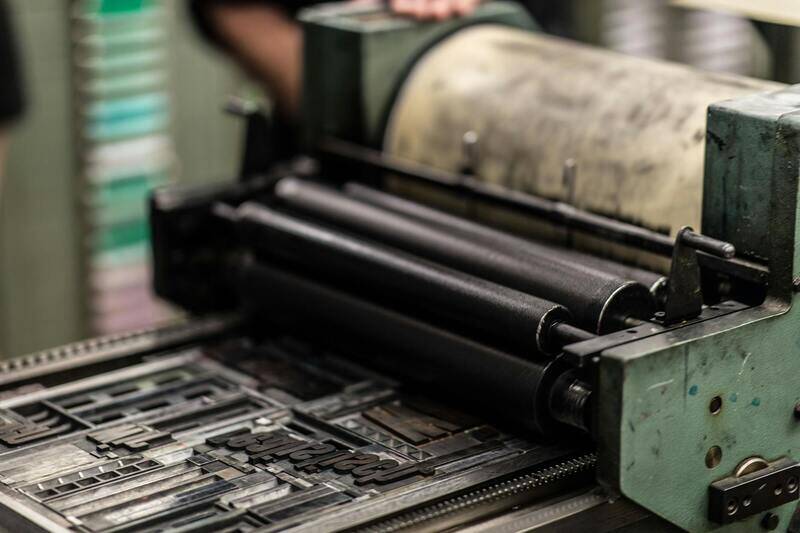
- Specialty Effects: Foil stamping, embossing, or UV coating for added security and aesthetic enhancement.
Design Considerations for Custom Cards
Effective card design plays a crucial role in communicating brand identity and serving functional needs. Key factors in design include:
- High-Resolution Artwork: Ensures that logos, images, and text are crisp and visually compelling.
- Color Harmony: Consistent color schemes aligned with brand guidelines reinforce recognition and aesthetic coherence.
- Security Features: Elements like holograms, microtext, or embedded chips add security and authenticity.
- Finish and Texture: Selection between matte, gloss, or textured surfaces influences the overall look and tactile experience.
- Layout and Spacing: Proper alignment of design elements guarantees readability and balance, avoiding clutter.
- Functional Features: Incorporating magnetic strips, QR codes, or embedded chips, along with rounded corners, enhances utility and user interaction.
Collaborating with skilled designers and printers ensures that each card not only reflects brand aesthetics but also meets practical requirements for security, durability, and ease of use.
Ordering Process and Lead Times
Initiating a card printing order typically involves several steps:
- Design Submission: Clients provide artwork files or work with in-house designers to create the desired design.
- Material and Finish Selection: Choosing the appropriate card materials and finishes based on purpose and budget.
- Proof Approval: Reviewing digital proofs or samples before final production.
- Printing and Production: The actual manufacturing process, which may take from a few business days to several weeks depending on order complexity and volume.
- Delivery: Shipping arrangements tailored to client needs, ensuring timely receipt of the cards.
Efficient service providers offer tracking systems and clear communication to keep clients informed throughout the process, minimizing delays and ensuring product quality.
Cost Factors and Pricing Options
Pricing for card printing services varies based on multiple factors:
- Quantity: Larger orders often benefit from bulk discounts, reducing the per-unit cost.
- Card Type and Materials: Premium materials and specialized finishes increase costs but offer enhanced durability and aesthetic appeal.
- Design Complexity: Intricate artwork, security features, or custom sizes may incur additional charges.
- Turnaround Speed: Expedited production options typically come at a premium.
- Additional Features: Embellishments like foil stamping, embossing, or embedded electronics influence overall pricing.
Clients should request detailed quotes from prospective providers, comparing these variables to select the best value based on their specific requirements and budget constraints.