Understanding Banner Printing
Banner printing is a specialized form of visual communication that involves creating large-format graphics designed to capture attention and convey key messages effectively. Typically used for marketing campaigns, trade shows, storefront displays, and special events, banners serve as versatile branding tools that can be customized to suit specific promotional needs. The process of banner printing leverages advanced printing technology to reproduce high-quality images, logos, and text on various materials, ensuring that the final product is both eye-catching and durable. In the realm of branding and advertising, the significance of banner printing cannot be overstated. It provides businesses with a cost-effective means of reaching a broad audience within a specific geographic location. Whether placed outdoors or indoors, banners offer a visual impact that can reinforce brand recognition and attract potential customers. The ability to tailor banners in terms of size, design, and material makes them a flexible component of any marketing strategy. The creation of an impactful banner begins with understanding its purpose and target audience. This understanding guides the choice of design elements such as color schemes, fonts, and imagery, which should align with brand identity and campaign objectives. Modern banner printing also emphasizes ensuring high-resolution output and vibrant color reproduction, which enhances visual appeal and readability from a distance. Furthermore, banner printing involves a systematic process that starts from conceptual design to material selection and finally to printing execution. With advancements in technology, digital printing has become the predominant method, offering quick turnaround times and the ability to produce highly detailed and customized banners. This method is especially beneficial for short runs or those requiring frequent updates, providing both efficiency and flexibility. As part of an overall branding effort, banners serve multiple roles—from announcing sales and promotions to creating a professional ambiance at events. Their prominence in marketing is attributable not only to their visual impact but also to their ability to be produced in a range of sizes, from small signage to massive outdoor advertisements. The effectiveness of banner printing as a marketing tool hinges on choosing the right design and materials, understanding the production process, and selecting a reliable printing service. Below are some key aspects that highlight the importance of banner printing:
- Enhanced Visibility: Banners are designed to be easily seen, making them ideal for drawing attention in crowded or high-traffic areas.
- Cost-Effective Promotion: Compared to other advertising mediums, banners provide a high return on investment with long-lasting visual presence.
- Brand Reinforcement: Consistent use of banners helps to embed brand recognition in the minds of consumers.
- Versatility: Suitable for both temporary and permanent displays, adaptable to indoor and outdoor environments.
- Customizability: Wide range of sizes, shapes, and materials allows customization to meet specific promotional objectives.
Understanding Banner Printing
Banner printing remains a cornerstone of effective visual marketing. It involves the creation of large-scale graphics designed to promote brands, products, or messages with high impact. The process begins with selecting the appropriate material and design, which are then transformed into a visually compelling display through a precise printing process. In choosing a banner printing method, it’s crucial to consider the specific application, environment, and longevity requirements of the display. Several official printing techniques are commonly employed, each offering distinct advantages that cater to various promotional needs.
Key Methods of Banner Printing
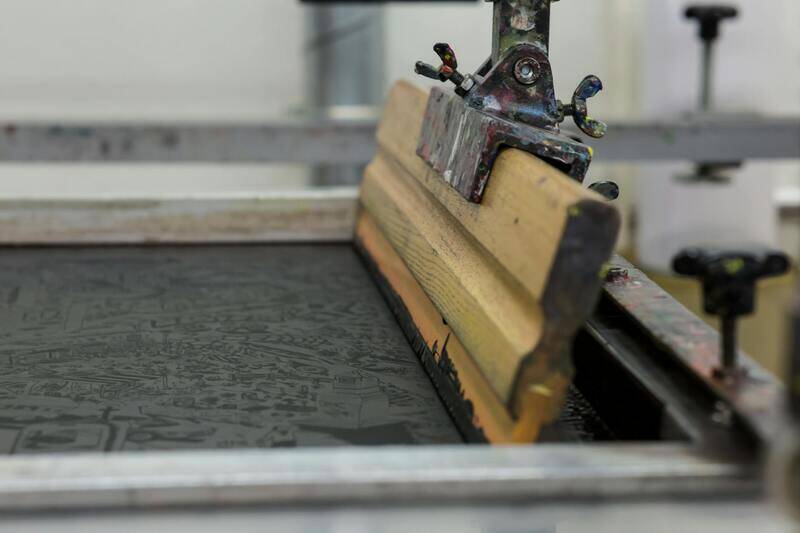
Official banner printing procedures are distinguished by their precision, durability, and ability to reproduce vibrant, sharp images. Among these, digital printing stands out for its flexibility, allowing quick turnaround times and high-definition results, making it ideal for short runs and customized banners. Screen printing is another proven method, especially suitable for large quantities and simple designs, providing consistent quality and color richness. Dye sublimation, widely used for fabric banners, ensures vibrant and long-lasting images that resist fading, perfect for indoor displays and events.
Digital Banner Printing
- Allows for full-color, high-resolution images
- Ideal for short to medium runs
- Supports detailed designs and photographic imagery
- Fast production turnaround
Screen Printing
- Cost-effective for large volume jobs
- Produces vivid colors with thick ink layers
- Best for simple, bold designs
- Long-lasting results suitable for outdoor use
Dye Sublimation
- Provides stunning color vibrancy and detail
- Ideal for fabric banners and textiles
- Resistant to fading and cracking
- Excellent for indoor applications and special events
Materials and Their Applications
Official banner printing employs a variety of materials, each suited to specific needs. Vinyl remains the most popular material for outdoor banners, offering excellent weather resistance and durability. Fabric banners, often printed via dye sublimation, add a touch of sophistication and are frequently used in indoor settings and events. Mesh banners, with their perforations, allow for wind passage, making them suitable for large outdoor displays where stability is essential. Each material's characteristics influence print quality, lifespan, and overall appearance, which are paramount in achieving effective promotional outcomes.

Legal and Best Practice Guidelines
When producing banners through official methods, adherence to technical standards and quality benchmarks is essential. This includes verifying color accuracy, resolution, and material compliance to ensure the final product meets branding and safety specifications. Responsible printing services maintain rigorous quality control processes, which include calibration of printing equipment, color management, and routine inspection of finished products. Customers should request detailed specifications and certifications from their chosen provider to confirm adherence to these established standards.
Ensuring Compliance and Quality
- Request proofing samples before full production to verify color, design, and material quality.
- Confirm that the printing provider uses certified equipment and high-grade inks.
- Ensure the materials used comply with environmental and safety regulations relevant to the region.
- Discuss warranties and guarantees concerning durability, color retention, and printing quality.
By following official procedures and collaborating with professional printing providers, businesses can maximize the impact and longevity of their banners, maintaining a consistent and impressive brand presence in any environment.
Understanding Banner Printing
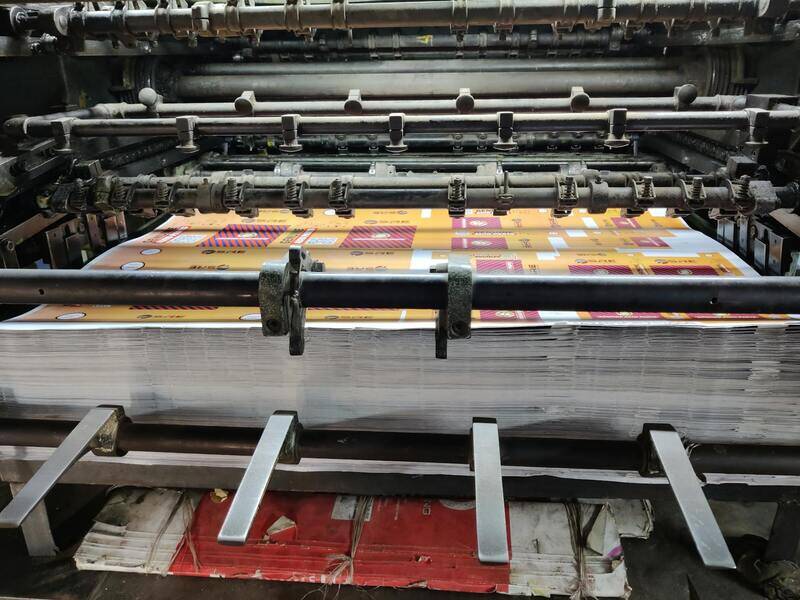
When engaging in banner printing for promotional or informational purposes, it is vital to follow precise and official methods to ensure a high-quality, durable product that aligns with branding standards and safety requirements. The process begins with selecting the right printing technology, which can vary based on factors such as desired print volume, color fidelity, and material compatibility. Digital printing methods are common for small to medium runs, providing sharp images and quick turnaround times, while large-format offset printing may be preferred for extensive campaigns due to its cost-effectiveness at scale.
Official banner printing involves meticulous adherence to technical standards. This includes verifying color accuracy through calibrated color management systems, ensuring the resolution is sufficient for the banner size, and confirming that the selected materials meet safety and environmental guidelines. Such practices guarantee that the final output reflects the intended designs accurately and withstands various environmental conditions.

Ensuring Compliance and Quality
- Request detailed specifications and product certifications from the printing provider to verify adherence to established standards.
- Prefer providers that utilize certified, modern printing equipment calibrated regularly for consistent output quality.
- Opt for prints made with high-grade, environmentally friendly inks that offer vibrant colors and durability.
- Review proofs or sample banners before proceeding with full-scale production to confirm that the designs and materials meet expectations.
- Clarify warranty terms related to color retention, material strength, and overall print quality to safeguard investment.
Collaborating with reputable and experienced printing services ensures the banner's visual impact, longevity, and compliance with national standards. Regular inspections and quality checks during the production process help prevent issues related to color mismatches, misalignment, or material defects, contributing to a professional finished product that effectively communicates your message.
Technical Considerations Before Finalizing Your Banner
It is crucial to adhere to specific design and technical parameters during the planning phase. These include choosing suitable dimensions to maximize visibility, selecting resolutions that prevent pixelation, and using consistent color schemes to reinforce branding. Additionally, text must be easily readable from a distance, which involves proper font sizing and contrasting colors.
Material selection also impacts the banner’s lifespan and appearance. For outdoor banners, materials like vinyl or mesh are typically recommended for their resistance to weather conditions, UV rays, and tearing. Indoor banners may utilize lighter fabrics, provided they meet visual clarity and durability standards.
Image Placeholders

Official Methods for Banner Printing
When seeking a reliable and approved approach to banner printing, partnering with certified printing providers is paramount. These providers adhere strictly to industry standards and utilize authorized equipment and materials, ensuring a consistent level of quality and durability. Such providers often possess advanced large-format printers capable of handling diverse materials and sizes, allowing for crisp, vibrant images that stand out in various environments.
In addition to equipment, legitimate printing services employ authentic inks and substrates that meet safety and environmental guidelines. This usage not only guarantees high-quality visual results but also ensures the longevity and safety of the banners, especially when used in public or high-traffic areas. They also follow established quality control protocols, including calibration checks, color management, and material inspections, to consistently produce banners that meet precise specifications.
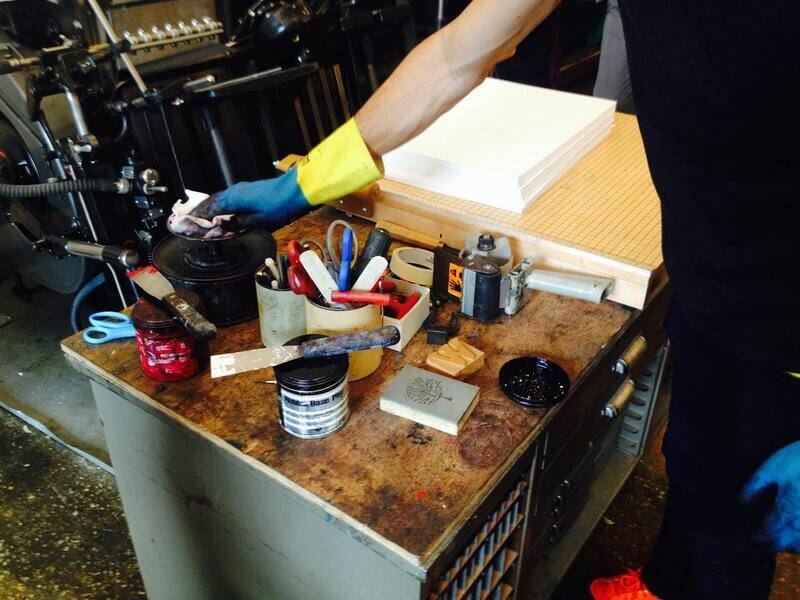
Choosing registered and experienced vendors also provides access to professional consultation and design assistance, which can optimize your banner’s visual impact and compliance with size and resolution standards. Transparent service agreements and clear communication are typical of reputable providers, helping clients understand the scope, timelines, and expectations.
Furthermore, official methods often involve comprehensive post-printing services, including folding, lamination, or mounting, which contribute to the banner’s endurance and ease of installation. These enhancements protect the print from environmental damages such as UV exposure, moisture, and physical wear, thereby extending the value of your investment.
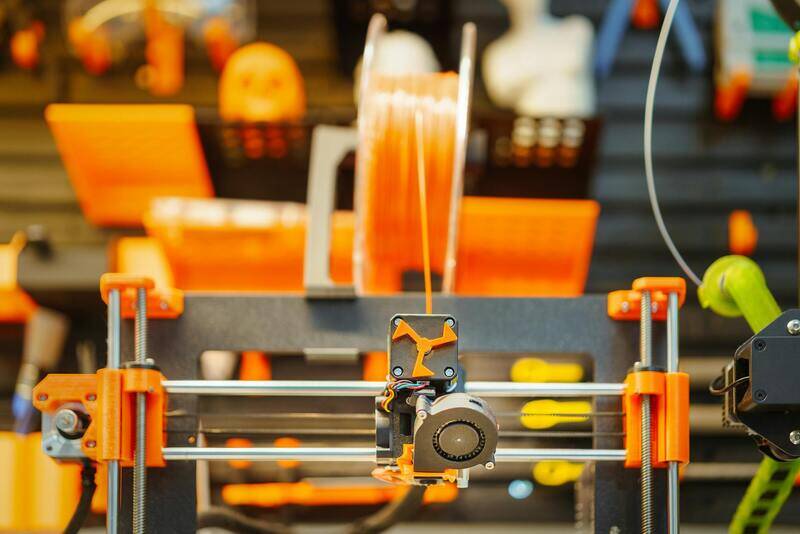
Utilizing these authorized processes is essential for organizations aiming to present a professional image and achieve lasting visibility. It also aligns with best practices for ensuring the safety and reliability of promotional materials across different settings, whether indoors or outdoors.
Understanding Banner Printing
Banner printing is a specialized process that involves producing large-format graphics on a variety of materials suitable for both indoor and outdoor use. Professional banner printing services utilize advanced printing technologies and high-grade materials to ensure vibrant visuals, sharp details, and long-lasting durability. Accurate color reproduction and consistent quality control are essential components maintained through calibrated printers, managed workflows, and meticulous inspection protocols. These practices contribute to the creation of banners that effectively communicate promotional messages while standing up to environmental challenges such as weather, UV exposure, and physical wear.
Types of Banners and Materials
- Vinyl Banners: Known for their durability and weather resistance, vinyl banners are ideal for outdoor advertising and long-term displays. They are available in various thicknesses and finishes, including matte and gloss, to suit specific design needs.
- Fabric Banners: These banners offer a softer, high-quality appearance and are often used for indoor events and decor. They are typically printed on polyester or polyester-blend fabrics with vibrant dye sublimation or digital printing techniques.
- Mesh Banners: Featuring a perforated surface, mesh banners allow wind to pass through, making them suitable for large outdoor advertisements in windy environments without risking tearing or undue stress on mounting points.
- Matte and Gloss Foam Core Banners: Frequently used for shorter-term displays or indoor signage, these mounted banners combine ease of installation with high-quality visual presentation.
Design Considerations for Banner Printing
Proper design plays a pivotal role in creating effective banners. When designing for banner printing, consider the following:
- Resolution and File Quality: High-resolution images and vector graphics ensure sharpness and clarity at large sizes, preventing pixelation.
- Color Management: Accurate color profiles and calibration are essential to achieve the intended visual impact and brand consistency across printed banners.
- Text Legibility: Bold, clear fonts with appropriate sizing enhance readability from a distance, especially when viewers are moving quickly or viewing at a distance.
- Minimal Clutter: Keep the design simple and focused, avoiding excessive text or complex visuals that might dilute the message.
- Use of Contrast: High contrast between text and background improves visibility and draws attention.
Choosing the Right Banner Printing Method
To achieve top-tier results, selecting the appropriate printing method is vital. Established and official printing vendors typically employ trusted techniques such as:
- UV Printing: Ideal for outdoor banners, UV printing uses ultraviolet light to instantly cure inks, resulting in vibrant colors that resist fading and weathering.
- Dye Sublimation: Primarily used for fabric banners, this method produces vivid, durable images with excellent color fidelity and washability.
- Solvent and Eco-Solvent Printing: Suitable for durable outdoor banners, these inks offer excellent adhesion and resistance to moisture, UV rays, and environmental pollutants.
- Latex Printing: An environmentally friendly option that combines durability with flexibility, latex printing is favored for versatile banner applications.
Choosing a reputable printing service ensures the usage of tested and certified methods, which provide the consistency, safety, and high quality that authoritative banners require. Such services also offer comprehensive post-printing options, including lamination, grommet installation, and mounting solutions, which further improve longevity and ease of installation.
Understanding Banner Printing
Banner printing remains a vital component of modern promotional strategies, offering an effective visual medium to communicate messages across various environments. High-quality banner production hinges on the selection of proven printing methods that ensure durability, color accuracy, and sharpness. When banners are produced through official channels, the use of advanced printing technologies guarantees consistent results, minimizing issues such as color fading, ink bleeding, or misalignment. This control over the printing process enables businesses and event organizers to present their branding with professionalism and clarity. Ensuring that banners adhere to specific size and material standards fosters an impactful visual identity that captures attention from afar and withstands the rigors of outdoor conditions.
Types of Banners and Materials
The selection of banner types and materials plays a crucial role in achieving the desired visual effect and operational longevity. Common banner options include vinyl banners, fabric banners, mesh banners, and vinyl backlit displays, each suited to different usage scenarios. Vinyl banners are renowned for their robustness and weather resistance, making them ideal for outdoor environments. Fabric banners, often made from polyester or nylon, provide a softer aesthetic and are frequently used indoors or for special events. Mesh banners allow wind to pass through, reducing the strain on fixtures, and are suitable for large-scale outdoor advertisements. The choice of material directly influences the banner's lifespan, resistance to environmental factors, and overall appearance, underscoring the importance of selecting the appropriate foundation for your message.

Design Considerations for Banner Printing
Effective banner design is centered on clarity, visual impact, and messaging precision. Utilizing bold and legible fonts ensures readability from significant distances, while high-contrast color schemes enhance visibility and attract attention. A clean and straightforward layout directs focus to the core message, avoiding clutter that can distract or confuse viewers. Incorporating consistent branding elements, such as logos and color palettes, maintains integrity across various promotional channels. When designing for print, it is crucial to consider bleed margins, resolution, and safety zones to prevent cutting errors or loss of important visuals. Balancing aesthetic appeal with functional considerations maximizes the banner’s effectiveness as a promotional tool.
Design Tips for Impactful Banners:
- Use large, easy-to-read fonts.
- Employ contrasting colors for text and background.
- Keep messaging concise and focused.
- Include high-resolution images to enhance visual appeal.
- Maintain consistent branding throughout the design.
Choosing the Right Banner Printing Method
Ensuring the banner’s quality and durability hinges on selecting an appropriate printing technique. Industry-standard methods such as UV printing, dye sublimation, solvent, eco-solvent, and latex printing are utilized by reputable service providers. UV printing excels for outdoor banners with its quick curing process and vibrant color output, offering excellent weather resistance. Dye sublimation is favored for fabric banners due to its vivid, fade-resistant images and ability to handle washing or cleaning. Solvent and eco-solvent printing provide outstanding adhesion for outdoor applications, standing up against moisture, UV exposure, and pollutants. Latex printing combines environmental friendliness with flexibility, making it a preferred choice for versatile banner applications. The decision should consider factors such as intended placement, environmental conditions, budget, and the desired lifespan of the banner. A reputable printing service ensures the use of certified, tested methods to deliver consistent, high-quality results, with supplementary options like lamination, grommet installation, and mounting hardware to extend the banner’s lifespan and ease of setup.
Understanding Banner Printing
Banner printing remains a pivotal aspect of effective visual marketing, offering versatile avenues to communicate messages, promote brands, and enhance visibility in various environments. The process involves transforming digital designs into large-format prints on durable materials suited for indoor and outdoor use. To achieve optimal results, it’s crucial to understand the core aspects of banner printing, including technology, materials, and best practices that ensure longevity and visual impact.
Precision in Color Reproduction and Resolution
High-quality banner printing demands precise color matching and resolution. Advanced printing technologies employ numerous color management systems to ensure that the colors in the digital design translate accurately onto the physical banner. The resolution of a print, typically measured in dots per inch (DPI), influences clarity and sharpness. For large banners viewed from a distance, a resolution of 72-150 DPI is generally sufficient, whereas closer inspection requires higher DPI for detailed visuals. Achieving crisp text, vibrant imagery, and smooth gradients hinges on the printer’s capabilities and the expertise of the production team.
Importance of Material Selection
The choice of banner material highly impacts durability, appearance, and suitability for specific environments. Commonly used materials include vinyl, mesh, fabric, and polyester. Each type offers distinct advantages:
- Vinyl: Known for its durability and weather resistance, making it ideal for outdoor banners exposed to the elements.
- Mesh: Features small holes allowing wind pass-through, suitable for high-wind outdoor areas.
- Fabric: Often used for indoor banners due to its high-quality finish and ability to support dye sublimation printing for vibrant, fade-resistant colors.
- Polyester: Flexible and lightweight, suitable for various display types including retractable banners.
Impact of Proper Sizing and Finishing
Accurate measurements for banner dimensions ensure the visual message remains undistorted and prominent. Additionally, finishing touches such as hemming, grommet installation, pole pockets, and edge reinforcements enhance structural integrity and ease of installation. Proper finishing prolongs the lifespan of the banner while maintaining its aesthetic appeal, whether it’s displayed for short-term promotions or extended outdoor campaigns.
Advanced Printing Techniques and Trends
Emerging technologies in banner printing continue to elevate the industry. UV printing offers quick curing and vibrant color output, suitable for outdoor use. Dye sublimation excels in producing high-resolution, fade-resistant fabric banners. Solvent and eco-solvent options prioritize outdoor durability, with excellent moisture and UV resistance. Latex printing combines environmental considerations with flexibility, ideal for a wide range of applications. Keeping abreast of these innovations allows branding professionals to select the most appropriate technique for their specific project needs, ensuring impactful and durable banners.
Maximizing the Longevity and Impact of Your Banner
Ensuring that your banner remains visually appealing and structurally sound over its lifespan involves careful maintenance and proper installation practices. Strategic handling and cleaning techniques help preserve the vibrancy of colors and prevent damage, while correct installation methods guarantee the banner's stability in various environments.
Proper Handling and Storage
- Always handle banners with clean hands or gloves to avoid transferring oils, dirt, or moisture that can degrade the material over time.
- When not displayed, store banners in a cool, dry place away from direct sunlight, extreme temperatures, and humidity. Roll banners loosely instead of folding to prevent creases and damage to the fabric or vinyl.
- Use protective covers or sleeves designed for banner storage to shield from dust and physical abrasions.
Cleaning Tips for Banners
- Use a soft, damp cloth with mild soap or a gentle cleaning solution to wipe down the banner surface. Avoid harsh chemicals or abrasive scrubbers that can scratch or fade the print.
- For stubborn dirt or stains, spot clean carefully to prevent spreading or damaging the material.
- Allow the banner to air dry completely before rolling or storing to prevent mold or mildew growth.
Effective Installation Techniques
- Choose appropriate mounting hardware such as grommets, pole pockets, or banner stands that match the size and weight of your banner.
- Ensure that mounting surfaces are clean, smooth, and free of debris to prevent tearing or uneven tension.
- Distribute tension evenly when hanging or securing the banner to avoid warping, sagging, or tearing over time.
- Use UV-resistant and weatherproof fixtures for outdoor banners to withstand wind, rain, and sunlight.
Regular Inspection and Maintenance
Conduct periodic checks to identify signs of wear such as fraying edges, loose grommets, or fading colors. Prompt repairs, like reattaching loose grommets or patching minor tears, can significantly prolong the banner's utility and appearance. For long-term outdoor displays, consider rotating banners periodically to reduce material stress from sun exposure and environmental factors.
Enhancing Visibility Through Strategic Placement
The effectiveness of a banner largely depends on its placement. Position banners at eye level or high-traffic areas to maximize visibility. Ensure that lighting conditions highlight the banner’s message without causing glare or shadows. Introducing strategic lighting, especially for nighttime installations, can enhance design impact and draw more attention across various settings.