Understanding Banner Printing
Banner printing is a prominent method for creating visually compelling signage that effectively communicates messages for various purposes, ranging from business promotions to event announcements. This process involves transferring ink onto specific materials that are suitable for display, ensuring durability, visibility, and aesthetic appeal. The primary goal of banner printing is to produce a large-scale visual that captures attention from a distance, whether in retail environments, trade shows, outdoor advertising, or special events.
One critical aspect of banner printing is selecting the appropriate materials, which are typically chosen based on the intended environment and durability requirements. Common materials include vinyl, fabric, mesh, and paper, each offering distinct advantages such as weather resistance, flexibility, and ease of installation. For example, vinyl banners are highly popular for outdoor advertising due to their resilience against weather elements, while fabric banners are often preferred indoors for a more polished appearance.
Formats for banners can vary significantly, ranging from small tabletop displays to large-format murals. Standard dimensions often include widths from 2 feet to 16 feet or more, with customizable lengths to suit specific needs. The format chosen influences the printing process, material selection, and installation methods. Banners serve multiple purposes, such as promoting sales, announcing events, branding campaigns, or directional signage, showcasing their versatility across different sectors.
Effective banner printing combines high-resolution imaging with durable, weather-resistant materials, making it an indispensable tool for businesses and organizations seeking to maximize exposure. Understanding the fundamentals of banner printing—materials, formats, and purposes—lays the foundation for creating impactful visual displays that effectively communicate and attract attention.
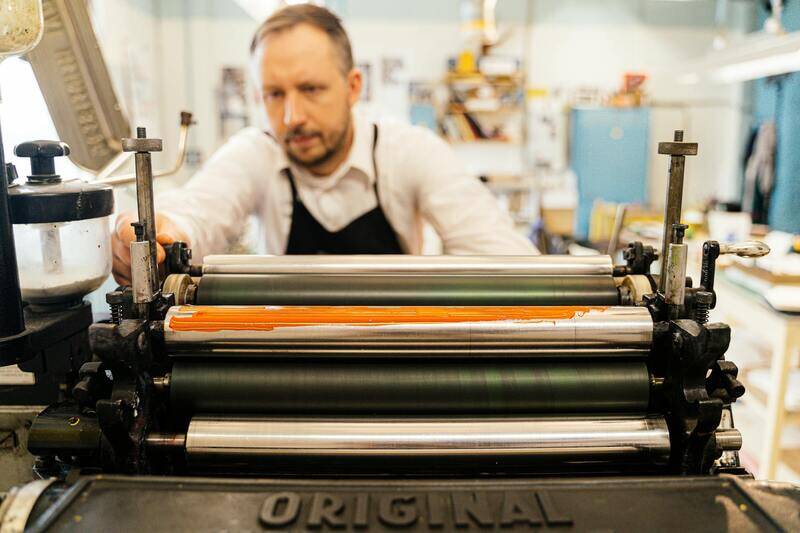
Types of Banners Available for Print Out
When considering banner print out options, it is important to understand the variety of banner types suited for different needs and environments. Each type offers unique features tailored to specific applications, ensuring that businesses and organizations can select the most effective signage for their campaigns.
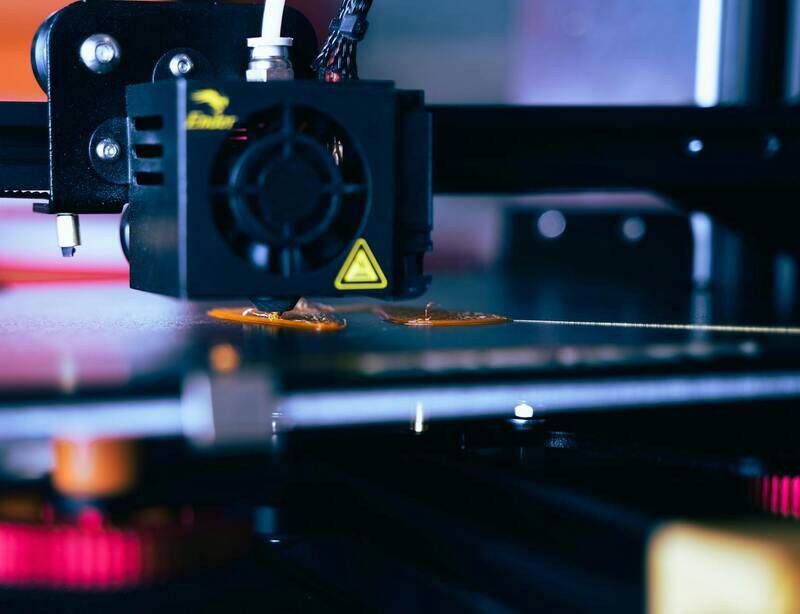
Fabric Banners
Fabric banners are known for their high-quality appearance and are often used indoors. They are made from materials such as polyester or satin, which lend a polished and elegant look. These banners are suitable for trade shows, events, and retail displays, providing vibrant color reproduction and a smooth finish. Despite their aesthetic appeal, fabric banners are less weather-resistant, making them ideal for indoor use or sheltered outdoor environments.
Vinyl Banners
Vinyl banners are the most traditional and versatile option for outdoor advertising. Made from durable PVC material, they provide excellent weather resistance against rain, wind, and sunlight. Vinyl banners can be printed in large sizes, offering bold visuals for promotional campaigns, grand openings, or directional signage. Their durability makes them a popular choice for long-term outdoor use.
Mesh Banners
Mesh banners feature a perforated design that allows air to pass through, reducing wind resistance. This makes them particularly suitable for large outdoor displays, such as construction sites, stadiums, or building wraps exposed to high wind conditions. Despite the perforations, modern printing techniques ensure high-quality graphics and colors, maintaining visibility even from a distance.
Plastic Banners
Plastic banners are generally made from thinner, flexible plastic sheets. They are often used for temporary applications like event signage or short-term promotions. While they do not offer the same durability as vinyl or fabric banners, plastic banners are cost-effective and quick to produce, making them suitable for budget-conscious campaigns.
Summary of Banner Types
- Fabric Banners: Indoor use, polished finish, high resolution, less weather-resistant.
- Vinyl Banners: Outdoor suitability, weather-resistant, large-scale printing, durable.
- Mesh Banners: High wind resistance, ideal for large outdoor spaces, good visibility.
- Plastic Banners: Temporary use, budget-friendly, quick production, short lifespan.
Selection among these banner types should align with the specific objectives of the campaign, environmental conditions, and budget constraints. Proper understanding of each type's strengths ensures effective communication and optimal exposure through printed banners.
Choosing the Appropriate Printing Technology for Banner Output
When planning to print a banner, selecting the right printing technology is crucial to achieve the desired visual impact and durability. Several advanced printing techniques are available to produce high-quality banners that meet specific needs.
Solvent Printing, UV Printing, and Eco-Solvent Printing are among the most common methods utilized in banner production. Each approach offers unique advantages depending on the intended application and material used. Understanding these methods helps ensure the banner's colors remain vibrant and its details sharp over time.
Solvent Printing
This technique involves the use of solvent-based inks that penetrate the banner material, resulting in excellent color vibrancy and weather resistance. Solvent printing is particularly suitable for outdoor banners exposed to sunlight, rain, and wind, as it provides long-lasting results without significant fading or deterioration.
UV Printing
UV printing employs ultraviolet light to instantly cure the inks upon contact with the banner surface. This technology facilitates precise, high-resolution graphics with a glossy finish. UV banners are highly resistant to environmental stressors and are ideal for both indoor and short-term outdoor displays.
Eco-Solvent Printing
Eco-solvent printers are a popular choice for environmentally conscious projects. They produce vibrant colors, are less odorous than traditional solvent printers, and offer excellent durability. This method strikes a balance between quality and environmental impact, making it suitable for versatile banner applications.
Choosing among these technologies depends upon specific factors such as the expected exposure conditions, budget constraints, and desired lifespan of the banner. Professional printing services can advise on the most suitable method to optimize visual impact and longevity, ensuring your banner print out performs throughout its intended use period.
Understanding Banner Printing
Banner printing is a crucial aspect of visual marketing, enabling businesses and individuals to communicate messages effectively in both indoor and outdoor environments. The process involves translating a digital design into a large-scale physical display that captures attention and conveys branding or promotional information seamlessly. To produce high-quality banners, understanding the various printing methods available is essential for achieving optimal durability, vibrancy, and resolution.
Popular Printing Methods for Banners

Among the most common techniques are solvent printing, UV printing, and eco-solvent printing. Solvent printing uses solvent-based inks that bond well with outdoor materials, providing excellent weather resistance. UV printing, on the other hand, employs ultraviolet light to cure inks instantly, producing sharp, high-resolution images with a glossy finish that is suitable for short-term outdoor or indoor banners. Eco-solvent printing combines environmental considerations with high-quality output, utilizing less toxic inks while maintaining vivid colors and durability.
Official and Professional Approaches to Banner Print Out
Regardless of the chosen technology, securing a banner print out through reputable print service providers ensures a guarantee of quality. These providers employ advanced equipment and adhere to industry standards, enabling precise color matching, high-resolution output, and consistent color fastness. They also ensure proper file preparation and color management to match the intended design specifications accurately. When working with professional printing services, it’s essential to comply with their provided guidelines for file formats, resolution, and color profiles to prevent discrepancies and ensure the final product meets expectations.
Using official methods involves preparing print-ready files that align with the printer’s specifications. These typically include vector-based designs or high-resolution raster images, embedded color profiles, and appropriate bleed and margin settings. Confirming the material compatibility and finishing options, such as lamination or grommet placement, at the outset makes the process more efficient and results in a banner that is both visually appealing and durable.
Steps to Effectively Print Out a Banner
- Design Preparation: Ensure your digital design adheres to the recommended resolution (usually at least 150-300 dpi) and file format standards. Incorporate bleed margins and consider the placement of grommets or seams for mounting.
- Material Selection: Choose the appropriate banner material based on the intended use, environment, and exposure duration. Coordinate with your print provider to verify material compatibility with the chosen printing method.
- File Submission: Submit your design files in the specified format, such as PDF, TIFF, or AI, with all fonts embedded and color profiles embedded or converted to CMYK.
- Proofing: Request a proof or sample to review color accuracy, image clarity, and layout before proceeding with the full print run.
- Printing and Finishing: Upon approval, the professional printer executes the printout, followed by finishing touches like trimming, grommet installation, or lamination to enhance longevity and visual impact.
By following these official procedures and working with reputable printing facilities, you ensure that your banner print out is of the highest quality, resilient against environmental factors, and tailored to your specific promotional needs.
Preparing Your File for Optimal Banner Print Out
Accurate file preparation is essential to achieve a flawless banner print out. Start by ensuring your design adheres to the required resolution standards—typically between 150 and 300 dots per inch (dpi). This resolution guarantees sharp images and crisp text, especially important for large-format banners that are viewed from a distance. Save your files in widely accepted formats such as PDF, TIFF, or Adobe Illustrator (AI), making sure all fonts are embedded or converted to outlines to prevent font discrepancies. Incorporate bleed margins—usually around 0.125 inches—to allow for trimming without cutting into important design elements. Additionally, embed color profiles or convert your design to CMYK mode, ensuring the colors are accurate and consistent across devices and print outputs.
Choosing the Appropriate Banner Material Based on Usage
Selection of banner material hinges on the intended display environment and duration. Common materials include vinyl, mesh, fabric, and vinyl with matte or gloss finishes. Vinyl banners are highly durable and resistant to water and tearing, making them suitable for outdoor use or long-term display. Mesh banners feature small perforations that allow wind to pass through, reducing strain on mounting points—ideal for outdoor settings with windy conditions. Fabric banners provide a sleek, high-quality appearance for indoor displays such as trade shows or storefront promotions. Collaborate with your printer to determine the best material option that balances visual impact, durability, and cost-effectiveness for your specific needs.
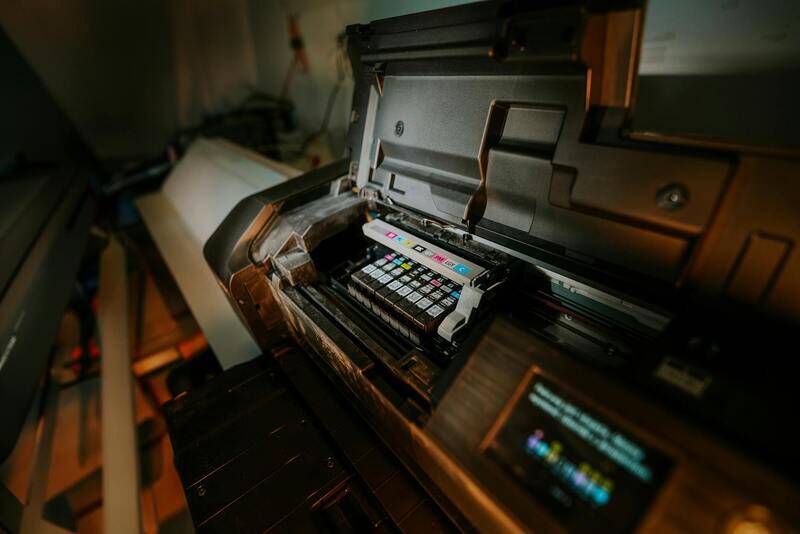
Finalizing Your Design and Print Specifications
Once the file composite is prepared, confirm your design’s specifications with the printing provider. Discuss finishing options like lamination, which adds protection against scratches, UV rays, and weather conditions, extending the lifespan of your banner. Grommet placement is also critical for secure mounting; ensure that grommets are positioned with appropriate spacing and reinforcement at the corners or along edges. Double-check that your design includes safe margins from the edges to prevent any cutting inconsistencies. These steps help facilitate a smooth printing process and contribute to a professionally finished product that maintains visual integrity over time.
Turning Your Design into a High-Quality Banner Print Out
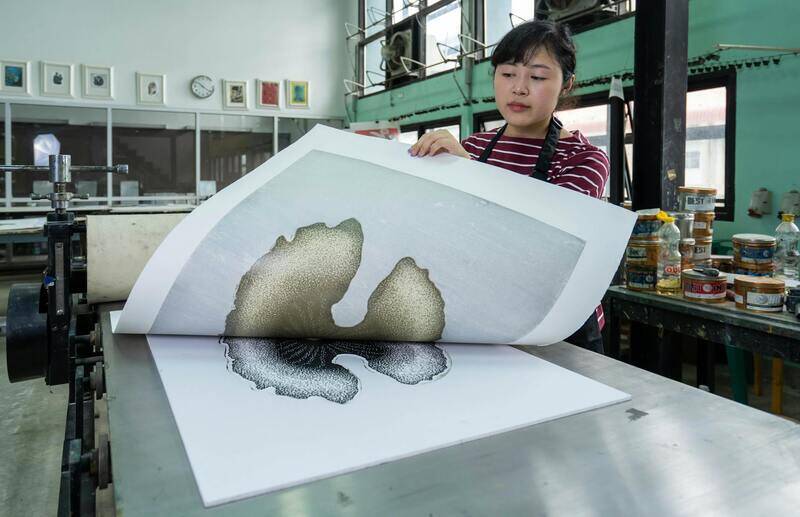
Transforming your digital design into an eye-catching banner involves close collaboration with your printer. Once the design meets all resolution, format, and margin requirements, submit your files meticulously. Request a printed proof or sample to verify color accuracy, image clarity, and overall layout—doing so minimizes surprises upon full production. Professional printers utilize advanced large-format digital printing technology, capable of producing vibrant colors and precise details, even on large surfaces. After approval, the print process begins, followed by finishing touches such as trimming, grommet installation, and lamination if desired. These steps ensure your banner not only looks impressive but withstands environmental factors, making it an effective promotional or informational tool.
Understanding Banner Printing
Banner printing remains a versatile and dynamic method to convey messages visually in a variety of settings—from promotional events to storefront displays. The process involves translating a digital design into a sizable, durable print that captures attention and communicates effectively. Selecting the proper printing method is crucial to ensure the final product aligns with your expectations for quality, durability, and visual impact. It involves understanding the technical aspects of print technology, the variety of materials suitable for banners, and the design considerations necessary for optimal results.
Key Aspects of Banner Printing
- Resolution: Ensuring the digital file is prepared at a high resolution (generally 300 dpi or above) to prevent pixelation when enlarged.
- Color Management: Maintaining accurate color representation through calibrated color profiles, especially important for branding consistency.
- File Formats: Submitting your design in accepted formats such as TIFF, PDF, or EPS, which preserve image quality and facilitate precise printing.
- Size Specifications: Precise measurements are vital for fitting display spaces and reducing waste during trimming.
Understanding these elements before placing a print order ensures the final banner aligns with your vision and purpose. Whether print quality, material choice, or finishing touches, each factor influences the effectiveness and longevity of your banner print out.
Types of Banners Available for Print Out
The diversity of banner types allows customization based on specific requirements, environmental conditions, and display duration. Common options include:
- Vinyl Banners: Known for durability, waterproof properties, and suitability for outdoor environments. They are preferred for long-term displays and outdoor advertising campaigns.
- Fabric Banners: Offering a premium look with a softer finish. Ideal for indoor events, trade shows, or retail displays where aesthetics matter.
- Mesh Banners: Featuring tiny holes, these banners allow wind passage, making them suitable for large outdoor installations where wind resistance is needed.
- Backlit or Lightbox Banners: Designed with translucent materials that work with backlit signage for enhanced visibility in low-light conditions.
- Window Graphics: Transparent or semi-transparent banners printed on specialized films for promotional displays on glass surfaces.
Choosing the Right Banner Material
The selection of banner material hinges on its intended use, environmental exposure, and aesthetic preferences. Each material offers distinct advantages:
- Vinyl: The most popular for outdoor banners due to its weather-resistant properties. It withstands sunlight, rain, and wind, ensuring longevity.
- Fabric: Used for upscale displays where appearance takes precedence, especially in indoor settings. Fabric banners tend to have better color vibrancy and a refined look.
- Mesh: Suitable for large-scale outdoor banners where air flow is essential. Mesh materials reduce wind load and minimize tearing risks.
- Polyester or Canvas: Often employed for artistic or decorative banners, offering a textured surface that can enhance visual depth.
- Translucent Films: Ideal for illuminated displays, allowing light to pass through and create eye-catching effects.
Understanding Banner Printing
Banner print out remains a vital aspect of promotional marketing, serving as a versatile tool for both indoor and outdoor advertising campaigns. Utilizing high-quality printing techniques, banners can be customized to feature vibrant images, compelling text, and distinctive branding elements. The process involves translating digital designs into large-scale prints that retain visual fidelity and durability, ensuring the message reaches a broad audience effectively. Advances in digital printing have significantly improved the resolution and color accuracy of banners, making them an attractive choice for businesses aiming to promote their products or services with eye-catching visuals.
Types of Banners Available for Print Out
The range of banners accessible for print out is diverse, each tailored to specific needs and environments. Common types include:
- Standard Vinyl Banners: Durable and weather-resistant, suitable for outdoor use, often featuring reinforced grommets for easy installation.
- Fabric Banners: Provide a sophisticated appearance ideal for indoor displays, with rich color reproduction and a smooth finish.
- Mesh Banners: Designed for large outdoor structures, these banners allow wind to pass through, reducing stress on the material and structural supports.
- Backlit or Lightbox Banners: Made from translucent materials, perfect for illuminated settings that require visibility after dark.
- Window Graphics: Printed on transparent or semi-transparent films, these banners transform glass surfaces into advertising space without obstructing view.
Choosing the Right Banner Material
Selection depends primarily on the intended positioning, environmental conditions, and visual needs. Each material type offers specific benefits to optimize campaign results:
- Vinyl: Best for outdoor durability, resisting sunlight, rain, and wind, making it long-lasting and reliable for external advertising.
- Fabric: Offers a premium look with vibrant color presentation, suitable for indoor displays that require an upscale appearance.
- Mesh: Lightweight and breathable, ideal for large-format banners exposed to high wind conditions, reducing weight load and tearing risks.
- Polyester or Canvas: Provides textured finishes that can enhance artistic impressions, ideal for decorative or artistic displays.
- Translucent Films: Light-permitting materials used in illuminated signage to produce striking visual effects at night.
Printing Technologies Used for Banners
Modern banner printing relies on several high-tech methods to achieve crisp, vibrant images on various substrates:
- Solvent and Eco-Solvent Printing: These techniques employ solvent-based inks that adhere well to vinyl and other durable materials, providing weather resistance and longevity.
- UV Printing: Uses ultraviolet light to cure inks instantly, producing sharp images with excellent color depth, suitable for hard and flexible substrates.
- Dye Sublimation: Primarily used with fabric materials, this method involves transferring dye-based dyes onto textiles, resulting in vibrant, fade-resistant prints.
- Latex Printing: Combines flexibility, durability, and environmental friendliness, suitable for a wide range of banner materials.
Factors Affecting Banner Printing Costs
Several key elements influence the overall expenses associated with banner print out, including:
- Size and Dimensions: Larger banners naturally require more materials and longer printing times, affecting the price.
- Material Selection: Premium or specialized materials such as fabric or mesh tend to be more costly than standard vinyl options.
- Design Complexity: Intricate graphics, high-resolution images, and extensive color palettes can increase printing time and ink usage.
- Printing Technology: Advanced printing methods like UV or latex may incur higher costs but deliver superior quality and durability.
- Quantity of Prints: Bulk orders often benefit from discounted rates, reducing the per-banner cost.

Ensuring a Professional Finish for Banner Print Outs
To achieve a high-quality banner print out that stands out, it’s essential to follow precise printing practices and proper handling procedures. These steps not only enhance the visual impact but also extend the lifespan of your banners. Choosing the right printing methods and maintaining your banners properly plays a critical role in preserving their vibrant appearance over time.
Optimal Printing Settings and Techniques
Modern banner printing utilizes advanced technologies to produce sharp, colorful visuals that capture attention. Employing the appropriate printing resolution, typically at least 600 dpi, guarantees detailed images free of pixelation. Additionally, color calibration ensures that the hues in the digital design match the printed output, maintaining brand consistency and visual appeal.
Using high-quality inks is vital for vibrant, fade-resistant banners. Solvent and eco-solvent inks are popular for outdoor banners due to their weatherproof properties, while UV and latex inks provide additional durability for prolonged exposure to environmental elements. Consistency in ink application also prevents uneven color distribution, which can detract from the overall professional appearance.

Importance of Proper Handling During and After Printing
Once printed, banners should be handled with care to avoid damage. Ill-fitting or rough handling can cause scratches, smudges, or distortions that compromise visual quality. It is recommended to wear gloves during transport and installation to prevent stains or fingerprints.
During storage, banners should be rolled rather than folded to prevent creases and tearing. Keep them in a dry, cool environment away from direct sunlight, which can cause fading over time. Proper storage extends the banner's lifespan, ensuring it remains bright and attractive for future use.
Maintaining Printed Banners for Longevity
- Cleaning: Use a soft, damp cloth with mild soap to gently wipe off dust or dirt. Avoid abrasive cleaners or scrubbing brushes that might damage the surface or ink layer.
- Installation: Mount banners securely using appropriate fixtures that do not puncture or stretch the material. Ensure tension is even to avoid sagging or warping.
- Protection: When not in use, store banners in protective covers to shield them from dust, pests, and environmental hazards.
Regular maintenance and proper handling significantly enhance the visual appeal and durability of printed banners. Whether used for marketing events, store displays, or outdoor advertising, following these care guidelines ensures that your banners remain impactful and professional-looking for extended periods.