Understanding Large Photo Prints for Walls
Large photo prints for walls have become an increasingly popular way to personalize living and commercial spaces. These prints, often referred to as oversized photographs or wall murals, transform ordinary walls into striking visual displays. They are usually produced on a grand scale, ranging from several feet to an entire wall’s width, and serve multiple purposes, including aesthetic enhancement, branding, or memorialization. Whether used in homes, offices, galleries, or public spaces, these visual pieces create a focal point that captures attention and sets a specific mood or ambiance.

One of the main advantages of large photo prints is their ability to convey complex visual stories or evoke strong emotional responses through vivid imagery and impressive scale. They can showcase panoramic landscapes, cityscapes, abstract art, or personal memories in a way that enhances interior décor and influences the overall atmosphere of a space. Additionally, such large-format prints can cover entire walls, making them ideal for creating a dramatic backdrop or a statement piece in any room.
The versatility of large photo prints extends beyond their visual appeal. They can be customized to match specific interior themes or personal preferences, offering a unique touch to each environment. In commercial settings, these prints are often used in lobbies, reception areas, or exhibition halls to reinforce brand identity or create memorable impressions. Meanwhile, in residential settings, they serve as artistic expressions or focal points that reflect individual tastes and lifestyle.
Since large photo prints are designed for prominent display, their quality and clarity are paramount. High-resolution images are essential to ensure sharpness and rich detail at a big scale. Printing techniques, material choices, and proper installation further influence the final aesthetic and durability of the piece. As such, selecting the right images and understanding the key parameters involved in large format printing are crucial steps to achieve impressive results.
Regarding their uses, large photo prints can be employed in various styles—from minimalistic and modern to vibrant and eclectic. They are often used in combination with other interior design elements to create harmonious visual narratives within a space. Whether as a centerpiece in a living room, an inspiring backdrop in a workspace, or an eye-catching display in a commercial gallery, large photo prints play a significant role in contemporary interior and exterior decoration.
Materials and Printing Techniques for Large Photos
When producing large photo prints for walls, selecting the appropriate materials and printing techniques is essential to ensure vibrant quality and durability. High-quality materials such as canvas, acrylic, or metal offer different aesthetic and functional advantages. Canvas prints provide a textured, fine-art feel and are conducive to stretching or framing. Acrylic prints deliver a sleek, modern look with enhanced color vibrancy and UV resistance, making them suitable for contemporary interiors. Metal prints, often made from aluminum, are extremely durable, resistant to moisture, and ideal for both indoor and outdoor installations.
The printing process itself significantly impacts the final appearance. Inkjet printing optimized for large-format images ensures sharp detail and accurate color reproduction. Latex and dye-sublimation are among common printing techniques; latex printing offers eco-friendliness and flexibility on various substrates, whereas dye-sublimation is valued for its vivid colors and resistance to fading. UV-curable inks are also prominent, especially for prints intended for outdoor settings, as they resist scratches and environmental exposure.
Size and Framing Considerations
Determining the appropriate size for large photo prints depends on the intended wall space and viewing distance. Oversized prints can dominate a room, creating a bold statement, while slightly smaller options may foster a more subtle ambiance. Typical large photo prints start at 24 inches and extend up to several meters, depending on the project requirements.
Framing options should complement the image and match the interior style. Frame choices include traditional wood, sleek metal, or no frame at all, opting for a gallery wrap where the image extends around the edges of a stretched canvas. Frameless options, such as acrylic face mounts, can provide a modern, seamless appearance. It’s important to select framing that facilitates proper mounting and protects the print from environmental factors, enhancing longevity and ease of maintenance.
Placement and Wall Coverage
The strategic placement of large photo prints influences their visual resonance within a space. Centering them above furniture, such as sofas or beds, creates focal points that draw attention and establish visual harmony. For expansive walls, multiple prints arranged in a gallery style offer varied visual interest, while single large pieces serve as dramatic statements.
Consider the wall’s size, color scheme, and lighting conditions when selecting placement. A well-lit area enhances the vibrancy of the print, making details pop, whereas dimmer settings may require extra illumination or brighter prints. Proper spacing from other decor elements prevents visual clutter and ensures the photograph remains the eye-catching centerpiece.
Maintenance and Longevity
Proper maintenance extends the life and preserves the visual quality of large photo prints. Regular dusting with a soft cloth prevents dirt accumulation. For prints on coated materials like acrylic or metal, periodic cleaning with a gentle, non-abrasive cleaner is recommended. Avoid exposure to direct sunlight for prolonged periods to prevent fading—UV-protective coatings can mitigate this risk, especially for prints in sunlit rooms.
Handling with care during cleaning and installation reduces the risk of scratches or damage. For outdoor displays, choosing weather-resistant materials and applying protective coatings ensures durability against environmental elements. Attention to these details enhances the visual appeal and ensures the longevity of your investment in large photo prints for walls.
Optimal Methods for Printing Large Photo Prints for Walls
When it comes to producing large photo prints for walls, selecting the right printing process and materials is essential to achieve a high-quality result that stands the test of time. Digital printing has revolutionized the way stunning images are translated onto various mediums, ensuring vivid colors, sharp details, and durability. Among the popular methods are inkjet printing, dye-sublimation, and UV flatbed printing, each suited for specific materials and display environments.
Inkjet printing remains the most widely used technique for large photo prints owing to its versatility and ability to produce high-resolution images. It employs specialized inks that are capable of reproducing complex color gradients and intricate details with precision. When combined with quality substrates such as canvas, vinyl, or fine art paper, inkjet prints can deliver exceptional results tailored to both indoor and outdoor displays.
Dye-sublimation printing is another highly favored process for producing vibrant, durable images on materials like metal, acrylic, and fabric. This technique involves turning solid dye into gas under heat, allowing the ink to permeate the material’s surface, resulting in a seamless, scratch-resistant finish. Dye-sublimation is especially advantageous for creating large, seamless wall murals or striking photographic displays that require exceptional color vibrancy and resistance to fading.
UV flatbed printing leverages ultraviolet light to cure inks directly onto rigid substrates, making it ideal for large-format prints on materials such as acrylic, glass, wood, or metal. Its high precision and robustness make it suitable for outdoor signage, art installations, and commercial displays requiring weather-resistant qualities. This method also supports the printing of quadruple-layer or textured effects to enhance visual depth.
Choosing the right material becomes equally crucial in ensuring a high-quality large photo print. Canvas offers a classic, textured appearance that lends a sense of depth and artistic charm, making it suitable for family photos and portraits. Acrylic prints present a sleek, modern look with vibrant colors and sharp clarity, ideal for contemporary interior designs. Metal prints provide a striking, ultra-polished finish with excellent weather resistance, perfect for impactful statements in business or decorative spaces. Posters, while more budget-friendly, can still produce impressive visuals when printed with high-resolution images on coated paper or synthetic substrates suitable for larger sizes.
Investing in professional printing techniques and premium materials yields exceptional visual outcomes, safeguarding your images against fading, cracking, or scratching over time. Professional printers often incorporate UV coatings, laminate layers, or protective varnishes to further enhance durability, especially for large wall displays exposed to environmental factors or significant handling.
Understanding Large Photo Prints for Walls
Large photo prints for walls serve as compelling visual statements, transforming ordinary spaces into personalized galleries that reflect individual tastes and style. The process involves carefully selecting the right images, preparing them with optimal resolution, and choosing suitable materials and printing techniques to ensure the final product offers both aesthetic appeal and durability. High-quality large photo prints not only elevate interior design but also preserve memories and moments with crisp clarity and vibrant colors.
Choosing High-Resolution Images
For large-format printing, image resolution is paramount. Photos should ideally be captured at 300 DPI or higher to maintain sharpness when enlarged. Low-resolution images tend to become blurry or pixelated when scaled up, detracting from the visual impact. Selecting images with high detail and proper lighting is crucial in ensuring that colors remain vibrant and details are crisp, even at expansive sizes.
When selecting photos for large prints, consider the subject matter's composition and lighting to make a striking wall display. Portraits, landscapes, and artwork with clear focal points tend to translate well into large formats, filling wall space with compelling imagery. Additionally, editing images to adjust brightness, contrast, and color saturation enhances their appearance once printed at large sizes.
Optimizing Image Files for Printing
Before sending images for large-scale printing, it’s essential to work with files that preserve their quality. Save images in formats like TIFF or high-quality JPEG, and avoid compression artifacts that can degrade image clarity. Ensuring your images are correctly color-corrected and calibrated to match the printing process can significantly improve the final output, resulting in accurate color reproduction and a cohesive visual presentation.
Previewing and Approving Proofs
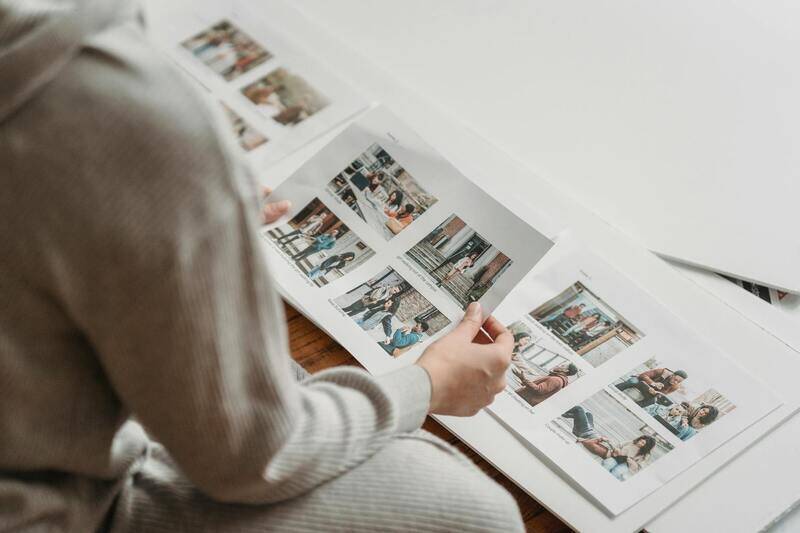
Many printing services offer proofing options, which allow clients to review a scaled or digital version of the final print before production. This step is critical to identify any color discrepancies, cropping issues, or resolution concerns. Approving a proof ensures that the final large photo print aligns with your expectations, preventing costly mistakes or adjustments after printing begins.
Proper Handling and Installation of Large Photo Prints for Walls
Handling large photo prints with care is essential to maintain their pristine quality and prevent damage during transportation, storage, and installation. Always wear clean gloves to avoid transferring oils or dirt onto the print surface. When moving large prints, roll them carefully if necessary, or support them with multiple people to prevent bending or creasing. Before installation, inspect each print thoroughly to identify any potential flaws or damages.
For installation, choose appropriate wall mounting options based on the weight and material of the print. Typically, large photo prints are mounted using strong hooks, brackets, or professional-grade adhesives that provide secure support. Using level guides or laser leveling tools ensures the print is hung straight, which is crucial for creating a balanced and visually appealing display. If framing is part of your display plan, select frames that complement the image and match the wall decor, paying attention to the thickness and style to enhance visual harmony.
Effective Maintenance and Preservation of Large Photo Prints
To extend the lifespan and keep large photo prints looking their best, regular maintenance is necessary. Dust surfaces gently with a microfiber cloth or a soft brush to prevent particles from settling and causing deterioration over time. Avoid using harsh cleaning chemicals, as they can harm the print material or ink. If the print is laminated or framed, ensure that the protective layers are kept clean and free of scratches.
Environmental control also plays a critical role in preservation. Place large prints away from direct sunlight, as UV rays can cause fading and degradation of inks and materials. Maintaining stable temperature and humidity levels reduces the risk of warping or peeling. For prints displayed in humid environments, consider using protective glass or specialized coatings that repel moisture and dust, helping to prolong their vibrancy and clarity.
Cost and Budgeting for Large Photo Prints
The expense of large photo prints varies based on several factors, including size, material, printing technique, and framing options. Typically, larger sizes command higher prices due to increased material usage and production complexity. It’s important to set a realistic budget and explore different options, such as canvas, acrylic, or fine art papers, each with distinct price points and aesthetic qualities.
Quality plays a pivotal role in determining cost. Investing in high-resolution images printed with advanced technology ensures vivid colors, sharp details, and overall longevity of the print. While some services might offer promotional rates or discounts, prioritize reputable providers with proven craftsmanship and quality materials to ensure a worthwhile investment.
In addition to the print itself, consider costs associated with framing, installation, and ongoing maintenance. Proper budgeting allows you to plan for all aspects of your large photo display, ensuring that the final outcome meets your expectations without compromising on quality or durability.
Placement and Wall Coverage
Achieving a striking visual impact with large photo prints requires thoughtful placement and an understanding of how much wall space they will occupy. When selecting the perfect spot, consider the natural light sources and the surrounding decor, ensuring the photograph complements the overall aesthetic of the room. Proper placement enhances the photograph's visual appeal and prevents it from overwhelming smaller furnishings or becoming lost within large, empty wall areas.
For optimal effect, large photo prints should be hung at eye level, typically around 57-60 inches from the floor to the center of the print. This height allows viewers to appreciate the details without strain. Using wall anchors and proper hanging hardware ensures stability and safety, especially for substantial pieces that require more weight support.
To avoid visual clutter, it’s beneficial to balance the scale of the image with the size of the wall. A large canvas or acrylic print may dominate a small room, while in a spacious area, it can serve as a focal point. Consider grouping multiple large prints for a gallery wall if you wish to cover broader wall space with cohesive imagery, or alternatively, opt for a single statement piece that draws immediate attention.
For walls with limited space, vertically oriented prints or landscape formats can make efficient use of narrow areas. Conversely, for open wall spaces, horizontally oriented large prints work well, creating a sense of width and expansiveness. When considering multiple large prints, leave sufficient spacing between each piece—usually 2 to 6 inches—to maintain a balanced, uncluttered look.
When covering extensive wall areas, consider the overall composition and flow of visual elements. Consistent framing styles and proportional sizing contribute to a cohesive display, ensuring that the large photo prints integrate seamlessly into the room’s interior design without appearing disconnected or overly dominant.
Techniques to Enhance Visual Impact and Durability of Large Photo Prints
When investing in large photo prints, selecting appropriate printing techniques is essential to ensure that the final piece maintains its visual appeal and structural integrity over time. High-resolution digital printing is the standard method for producing large images with fine detail and color accuracy. This process utilizes advanced inkjet printers capable of handling large-format media, resulting in crisp images with smooth gradations and sharpness that do justice to the original photograph.
Material choice is equally critical. Options such as canvas, acrylic, aluminum, or high-quality vinyl each offer distinct aesthetic and durability characteristics. Canvas prints provide a textured, artistic appearance with excellent longevity when properly coated, making them suitable for both casual and gallery settings. Acrylic prints deliver vibrant coloration and a glossy, modern finish, often with a protective layer that guards against scratches and UV damage. Aluminum prints are known for their sleek, contemporary look and exceptional resistance to environmental elements, making them ideal for high-traffic or humid environments. Vinyl banners or posters can be an economical choice for temporary displays but are less suited for long-term wall art unless protected with appropriate coatings.

Printing techniques like dye-sublimation are also popular, especially for metal surfaces, as they produce vibrant, fade-resistant images with a seamless finish. For those seeking a textured or three-dimensional effect, acrylic mounting with an embedded image or textured canvas options provide added depth and visual interest. To ensure the longevity of large photo prints, applying protective coatings such as UV lamination or varnish is advised. These coatings help shield the prints from environmental factors, including sunlight exposure, moisture, and physical abrasions, preserving their vibrant colors and structural integrity over many years.
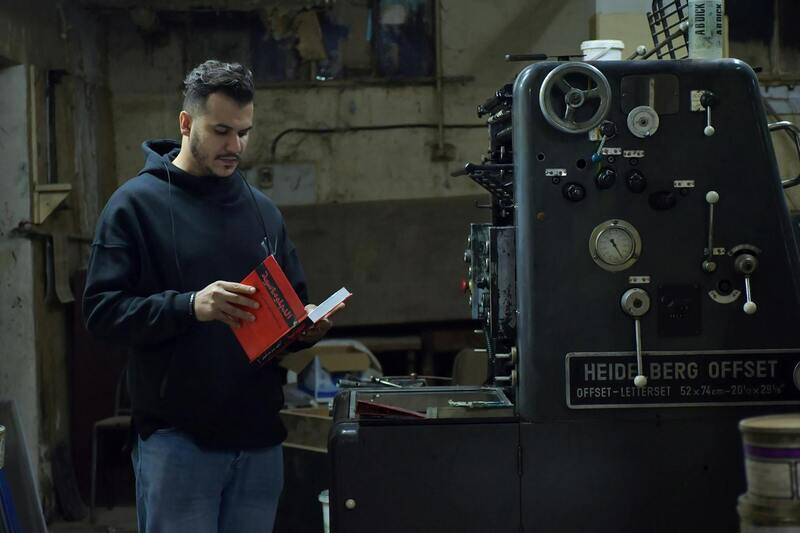
Professional printing services often employ color calibration and quality control protocols that guarantee consistent results, which is vital for large-scale artwork. High-end printers and premium materials might come with a higher initial investment, but they contribute significantly to the piece's overall durability and visual excellence. When selecting a printing method, it's crucial to consider the environment where the print will be displayed, as well as the desired lifespan, to choose the most suitable technique and materials that will sustain the artwork’s quality.
Maintaining and Protecting Large Photo Prints for Walls
Proper maintenance of large photo prints is essential to preserve their visual impact and structural integrity over time. While high-quality prints are designed for durability, environmental conditions and handling can influence their lifespan and appearance. Regular cleaning, appropriate framing, and protective measures are key components in ensuring these artworks remain pristine for years.
Cleaning and Handling
Cleaning large photo prints should be approached with care to prevent damage. Dust and dirt can be gently removed using a soft, lint-free microfiber cloth. For stubborn spots, a slightly damp cloth with distilled water or a specialized artwork cleaner can be employed, avoiding harsh chemicals that may degrade the ink or material. Handling prints with clean hands or gloves minimizes the transfer of oils and dirt. When relocating or installing large prints, utilize proper equipment and techniques to support the entire piece, preventing tears or deformation.
Protective Framing
Framing not only enhances the visual presentation but also offers vital protection against physical damage, dust, and moisture. Using UV-protective glass or acrylic in framing can significantly reduce fading caused by sunlight exposure. Spacers between the glass and print prevent adhesion and allow airflow, which helps in avoiding moisture buildup that could lead to mold or warping. For added security, anti-glare and scratch-resistant finishes are recommended, especially in high-traffic or well-lit areas.

Environmental Considerations
Controlling the ambient environment is a crucial aspect of preservation. Avoid placing large prints in areas with direct sunlight, high humidity, or extreme temperature fluctuations, as these conditions can accelerate fading and material degradation. Humidity levels should be maintained within 40-50%, and temperature should be stable, ideally between 18-22°C (64-72°F). Displaying prints away from heat sources, such as radiators or fireplaces, and ensuring good air circulation can further protect artworks from environmental stressors.
Long-Term Preservation Strategies
For significant or valuable artworks, consider professional conservation options that include specialized coatings or mounting techniques designed to withstand environmental challenges. Archival-quality mounting materials, such as acid-free backing and UV-resistant laminates, are available to enhance preservation. Regular inspections can identify early signs of deterioration, allowing timely intervention to repair or restore the print if necessary.
Conclusion
By implementing appropriate maintenance practices, framing, and environmental controls, large photo prints for walls can be enjoyed for decades, maintaining their original vibrancy and detail. Proper handling and protection strategies are vital in maximizing the durability of these visual assets, ensuring they remain stunning focal points in any space. Whether for personal collections, professional displays, or public art, investing in the right preservation techniques is a testament to valuing the craftsmanship and emotional significance of these large photographic artworks.