Overview of Large Format Printing in Singapore
Large format printing has become an integral component of Singapore’s dynamic printing industry, offering businesses, artists, and institutions the ability to produce high-quality visual materials on a grand scale. This printing method is defined by its capacity to produce images, banners, posters, and signs that are significantly larger than standard printing sizes. Its applications extend through advertising, interior decor, exhibition displays, architectural plans, and outdoor signage, reflecting the versatile nature of the technology.
Within Singapore, the rapid urban development and vibrant commercial landscape drive the demand for large format printing. Companies require eye-catching marketing materials that can effectively engage audiences in high-traffic areas, while event organizers and retailers utilize large prints for branding and promotional purposes. Moreover, the city-state’s reputation as a regional hub for innovative design and technology further amplifies the importance of high-quality large format printing solutions.
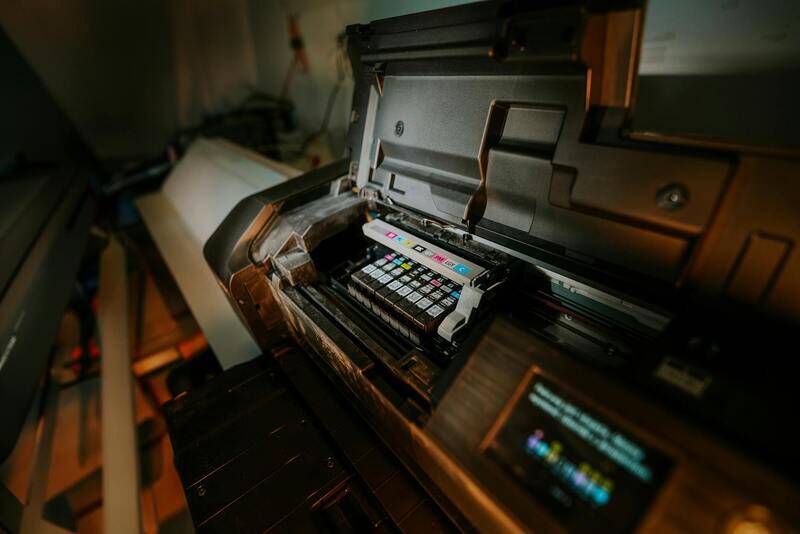
Advancements in digital printing technologies have elevated large format printing beyond traditional methods, enabling faster turnaround times, finer details, and a broader range of materials. This evolution has empowered local businesses and creatives to produce visually compelling materials that meet both artistic and functional needs while maintaining high standards of durability and visual clarity.
Importantly, the industry’s growth aligns with Singapore’s commitment to environmental sustainability, prompting innovation in eco-friendly inks and recyclable materials. As a result, large format printing services are increasingly offering environmentally conscious options without compromising on quality or visual impact.
Overall, the significance of large format printing in Singapore is underscored by its capacity to effectively communicate messages on a large scale, reinforce brand visibility, and support a myriad of applications across diverse sectors. Whether for temporary promotions or permanent displays, this technology continues to evolve, shaping the visual landscape of Singapore’s vibrant urban environment.
Types of Large Format Printing Materials and Techniques
Singapore’s vibrant marketplace necessitates a variety of high-quality materials tailored to different applications, ensuring that large format prints not only capture attention but also withstand the local environment. The selection of materials is critical, as it influences the durability, visual appeal, and suitability for specific locations and purposes.
Commonly used media in large format printing include vinyl, fabric, mesh, canvas, and specialty materials such as acrylic, foam board, and aluminum composites. Vinyl, especially weather-resistant and adhesive-backed types, is popular for outdoor signage due to its durability against Singapore’s humid climate and frequent rain. Fabric banners, often made from polyester or nylon, are favored for indoor events or temporary displays, offering a softer, more elegant appearance.
Mesh materials are preferable for large banners in open environments, allowing wind passage to prevent tearing, which is vital for outdoor advertising. Canvas prints provide a textured, artistic finish suitable for galleries or interior decor, while rigid substrates like acrylic and aluminum composite boards serve as permanent signage, enhancing aesthetics with a sleek and modern look.

Regarding techniques, digital printing remains the most prevalent due to its precision and speed. UV-curable printing is used for rigid materials, providing vibrant colors and scratch resistance. Latex printing offers eco-friendly solutions with water-based inks, ideal for projects demanding sustainability. Dye sublimation, while more specialized, is excellent for fabric materials, producing vivid, long-lasting images.
This combination of adaptable materials and advanced techniques ensures that each large format project can be customized to meet specific aesthetic, functional, and environmental needs, reflecting Singapore’s commitment to innovation and sustainability in visual communications.
Overview of Large Format Printing in Singapore
Large format printing in Singapore has become a vital component of the nation’s dynamic visual communication landscape. As businesses, public institutions, and event organizers seek impactful ways to communicate messages, the demand for high-quality, vibrant, and durable large-scale prints continues to grow. Singapore’s strategic position as a global hub fosters a competitive environment where precision, innovation, and sustainability are prioritized in printing solutions. By leveraging cutting-edge technology and a range of materials, local providers deliver custom signage, displays, and promotional graphics that meet the diverse needs of various sectors.
Advancements in Printing Technologies for Extended Applications
The evolution of digital printing technologies has significantly expanded the possibilities for large format printing. High-resolution inkjet printers now offer exceptional detail and color accuracy, enabling the creation of visually striking signs and displays. UV-curable printers have revolutionized the production of rigid signage, offering excellent color vibrancy and surface durability. Latex printing technology underscores sustainability efforts, utilizing water-based inks that adhere to environmental standards while delivering long-lasting, flexible prints. These advancements, combined with a wide array of substrates, provide Singaporean businesses with options that align with their functional, aesthetic, and eco-conscious considerations.
Enhanced Customization and Precision
Modern large format printing facilities support highly customized solutions, allowing for tailored designs that precisely match client specifications. From intricate branding murals to large-scale outdoor billboards, the precision of digital and UV printing techniques ensures consistent quality. The integration of digital workflows supports rapid production timelines, enabling timely deployment of marketing campaigns, event backdrops, or permanent signage. The capacity to print on multiple materials such as vinyl, fabric, acrylic, and aluminum allows for versatile applications across various industries—from retail and hospitality to transportation and government sectors.

Compliance and Quality Assurance in Production
Singapore’s strict standards for quality and safety standards influence the operational protocols of large format printing services. Quality assurance measures include rigorous color calibration, pixel-perfect image rendering, and consistent ink application to ensure visual integrity across all outputs. Professional print providers employ standardized testing methods and quality checks throughout the production process to meet client specifications and regulatory guidelines. This commitment to excellence results in durable, vibrant prints that withstand environmental elements and maintain their intended appearance over time.
Supporting Sustainable Practices
With a growing awareness of environmental impact, Singapore’s printing companies adopt eco-friendly practices. The use of recyclable substrates, water-based and solvent-free inks, and energy-efficient machinery are common initiatives. Additionally, optimizations in design and printing processes minimize waste generation. Emphasis on sustainability aligns with broader government policies promoting green initiatives and corporate responsibility, further establishing large format printing as a conscientious choice for modern businesses that value environmental stewardship.

In essence, large format printing in Singapore combines technological innovation, customization, environmental consciousness, and strict quality control. These elements coalesce to support the nation’s vibrant business ecosystem and its pursuit of high-impact visual communications that are both effective and sustainable.
Choosing the Right Large Format Printer and Service Provider
When selecting a large format printing service in Singapore, it is essential to evaluate the printer’s capabilities and the provider’s reliability. High-quality results depend not only on advanced machinery but also on the expertise of the operators, the quality control processes in place, and the range of finishing options offered. Customers should look for providers that utilize state-of-the-art printers known for precision, color accuracy, and consistent output.
Another critical consideration is the availability of a diverse selection of materials and finishes. A reputable service provider should offer various substrates such as vinyl, fabric, mesh, canvas, and specialty papers to suit different applications. Additionally, finishing options like lamination, UV coating, and mounting can significantly enhance durability and presentation.
Service responsiveness and technical support are also important factors. Effective communication ensures that projects meet exact specifications, deadlines are adhered to, and any issues are promptly addressed. Many top-tier providers in Singapore offer consultation services to help clients choose the most suitable materials, formats, and finishing techniques based on their project needs.
Cost efficiency without compromising quality is a priority in the selection process. Transparent pricing models, detailed quotes, and the availability of bulk discounts can be advantageous. Customers should inquire about the type of inks used, as eco-friendly options often cost more but contribute to sustainability goals.
Key Steps to Ensure an Effective Partnership with Your Printing Service Provider
- Assess portfolio samples to gauge the quality of previous projects.
- Clarify turnaround times and production schedules to align with your timelines.
- Discuss material options, finishing techniques, and environmental impact considerations.
- Request comprehensive quotations and compare value offerings across providers.
- Verify the provider’s capacity for large-scale projects and customization requirements.
- Check references or client testimonials for insights into service consistency and professionalism.
- Ensure clear communication channels and dedicated support for project coordination.
Types of Large Format Printing Materials and Techniques
In Singapore, the selection of materials and printing techniques plays a crucial role in achieving optimal results for large format printing projects. Various surface types, coatings, and media are utilized depending on the intended application, environmental exposure, and desired visual impact. Commonly used materials include vinyl, canvas, fabric, mesh, backlit film, and paper-based media. Each material offers unique benefits such as durability, ease of installation, or enhanced visual appeal.
For outdoor applications, weather-resistant and UV-stable vinyl and mesh banners are highly preferred due to their resilience against harsh environmental conditions. Indoor environments may benefit from fabric or paper materials that provide a refined aesthetic or specific texture. Additionally, specialty substrates like textured vinyl or transparent films can be used for creative effects or unique display options.

Printing techniques also vary according to the material and desired finish. Solvent, eco-solvent, and latex printing are popular for their ability to produce vibrant colors and high durability, especially on flexible media. UV-curable printing offers high precision and a wide color gamut, often used for rigid panels and signage requiring detailed imagery and sharpness. Additionally, dye sublimation is favored for printing on fabric materials, delivering excellent color vibrancy and softness.
Advancements in digital printing technology have introduced hybrid methods that combine the strengths of different techniques to ensure color accuracy, resolution, and longevity. Many providers in Singapore now invest in cutting-edge printers capable of handling various media types with minimal setup time and maximum output quality. Proper calibration and maintenance of printing equipment are essential to consistently achieve the desired color fidelity and resolution.

Choosing the right material and technique requires an understanding of environmental factors, lifespan requirements, and visual expectations. Professional service providers typically offer expert guidance, helping clients select appropriate substrates and print methods to meet specific project objectives, whether for temporary advertising displays or permanent architectural installations. This tailored approach ensures that each large format print achieves the intended impact while maintaining cost efficiency and durability over time.
Maintenance and Care of Large Format Prints
Ensuring the longevity and visual appeal of large format prints is crucial for any business or individual investing in high-quality signage and displays. Proper maintenance of these prints not only preserves their appearance but also maximizes their functional lifespan, reducing the need for frequent replacements and optimizing overall investment.
Cleaning Techniques for Large Format Prints
Regular cleaning is essential to eradicate dust, dirt, and other surface contaminants that can degrade the visual quality of large prints. Use soft, lint-free cloths or microfiber cloths to gently remove loose debris. For stubborn spots, dampen the cloth slightly with distilled water or a mild, non-abrasive cleaning solution designed for printed surfaces. Avoid harsh chemicals, solvents, or abrasive scrubbers, as they can damage the print surface and cause color fading or surface wear.
Handling and Storage Practices
Proper handling minimizes the risk of physical damage such as scratches, tears, or creasing. When moving or installing large format prints, grasp the edges and avoid touching the printed surface directly. Utilize protective gloves if necessary to prevent fingerprints and oils from contaminating the print.
In terms of storage, keep large prints rolled or flat in protective, acid-free coverings to reduce exposure to environmental elements. Store prints in a cool, dry place away from direct sunlight, high humidity, and extreme temperature fluctuations. This prevents warping, fading, and material degradation over time.
Protective Coatings and Lamination
Applying a suitable protective coating or lamination can significantly enhance the durability of large format prints. UV-protective laminates safeguard against sun damage and fading, making them ideal for outdoor displays. Glossy or matte finishes can be chosen based on the desired visual effect and ease of cleaning. These coatings also provide an additional layer of protection against scratches, moisture, and pollutants, maintaining the print’s vibrancy and sharpness for longer durations.

Routine Inspections and Repairs
Periodic inspections allow early detection of issues such as peeling, bubbling, or fading. Addressing minor damages promptly prevents escalation and maintains the professional appearance of the display. Repairs can range from reapplying protective coatings to patching localized damage, often performed by specialized technicians to ensure seamless restoration.
Implementing a comprehensive maintenance schedule tailored to the specific environment and usage conditions of your large format prints is vital. Whether for indoor branding or outdoor signage, meticulous upkeep ensures your investments remain impactful, visually appealing, and effective over time.
Environmental and Sustainability Considerations in Large Format Printing
In Singapore's vibrant urban landscape, the demand for visually compelling large format prints aligns with the growing emphasis on environmental responsibility. Selecting eco-friendly printing materials and techniques not only reduces the ecological footprint but also enhances brand reputation among environmentally conscious consumers. Recyclable substrates, soy-based inks, and water-based printing processes are increasingly favored within the industry, offering vibrant results while minimizing environmental impact.
Many printing service providers in Singapore are adopting sustainable practices such as waste reduction programs and energy-efficient equipment. Using biodegradable or recyclable protective films and lamination materials ensures that finished prints do not contribute to waste accumulation. Additionally, opting for UV-resistant inks and coatings helps to extend the lifespan of outdoor displays, which translates to fewer replacements and less material wastage over time.
Implementing sustainable practices extends beyond materials and techniques. Responsible disposal of waste, such as unused inks and contaminated substrates, is critical. Reputable large format printing providers adhere to strict waste management protocols, recycling materials whenever possible and ensuring that any waste meets proper disposal standards. These efforts collectively contribute to a more sustainable printing ecosystem in Singapore, aligning high-quality output with environmental stewardship.

Clients can play an active role by selecting printers that prioritize sustainability certifications and environmentally conscious practices. This careful approach ensures that large format printing projects support Singapore’s national sustainability goals while delivering outstanding visual communication. As environmental awareness continues to grow, incorporating green practices into large format printing becomes an integral part of responsible business operations and branding efforts.
Advanced Techniques and Innovations in Large Format Printing
As the landscape of large format printing in Singapore continues to evolve, cutting-edge technological advancements are playing a pivotal role in enhancing both the quality and efficiency of print outputs. One noteworthy innovation is the integration of digital inkjet technology with high-precision print heads, allowing for remarkable detail and color accuracy in large-scale visuals. This technology enables printers to produce intricate designs with superior clarity, which is essential for branding and promotional displays that demand visual impact.
Furthermore, the adoption of UV-curable inks has become increasingly prevalent. These inks cure instantly upon exposure to ultraviolet light, resulting in prints that are not only vibrant and durable but also suitable for a wide range of materials, including flexible and rigid substrates. This capability expands the scope of large format printing, making it highly adaptable for indoor and outdoor applications, from signage and murals to vehicle wraps.
Innovative Materials for Enhanced Performance
In addition to advanced printing techniques, there is a growing emphasis on innovative materials that enhance print durability and visual appeal. Media such as self-adhesive vinyls, mesh fabrics, and rigid panels are being utilized to achieve specialized finishes and textures. For outdoor advertising, weather-resistant substrates equipped with protective coatings ensure longevity despite exposure to environmental elements.
Recent developments also include environmentally friendly materials that align with Singapore's sustainability initiatives. These eco-friendly media options often feature biodegradable compositions or recyclable components, reducing the environmental footprint of large format projects while maintaining high-quality output.
Automation and Workflow Optimization
Automation in large format printing workflows is significantly improving turnaround times and consistency across projects. Advanced software solutions facilitate seamless file preparation, color management, and job scheduling, minimizing manual intervention and reducing the chances of errors. Robotics and automated material handling systems further streamline operations, enabling high-volume production without compromising quality.

The Impact of Digital Integration
Digital integration extends beyond production to encompass client interaction and project management. Cloud-based platforms allow clients to review designs, approve proofs, and monitor progress remotely, ensuring transparency and timely delivery. These digital tools support collaboration between designers, print technicians, and clients, resulting in more precise outputs aligned with client expectations.
Emerging trends also include the use of augmented reality (AR) to complement large format displays. AR applications can add interactive elements to static visuals, enriching user engagement and opening new avenues for experiential marketing in Singapore.