Overview of Folded Brochure Printing
Folded brochures are versatile printed materials that serve as effective tools for conveying information, promoting products, or enhancing brand visibility. They typically consist of a single sheet of paper that has been folded in a specific manner to create multiple panels, each serving as a dedicated space for content. Such brochures combine visual appeal with functional design, making them an essential component of marketing campaigns across various industries.
Because they are easy to customize and visually engaging, folded brochures are widely adopted for product launches, event promotions, service descriptions, and corporate branding efforts. Their compact yet expandable structure allows for presenting complex information in an organized and reader-friendly format. The ability to fold content into manageable sections ensures audiences can easily navigate through messages, images, and call-to-actions.
The popularity of folded brochures can be attributed to their adaptability and professional appearance. They can be customized to fit different marketing objectives, whether by featuring vibrant graphics, detailed informational text, or striking imagery. Additionally, folded brochures are inexpensive to produce and easy to distribute, making them a practical choice for businesses aiming to maximize reach without overspending.
Moreover, the tactile experience provided by quality printing and finishes can significantly enhance the perceived professionalism of a brand. Whether used as leave-behind materials, trade show handouts, or in-store displays, folded brochures leave a lasting impression by combining excellent design with durable, high-quality print materials.
In essence, the evolution of folded brochure printing techniques and materials has enabled marketers to craft customized solutions tailored to specific branding messages. Their functional design, combined with attractive visuals, makes them a robust instrument in the ongoing effort to engage target audiences and communicate core messages effectively.
Design Considerations for Folded Brochures
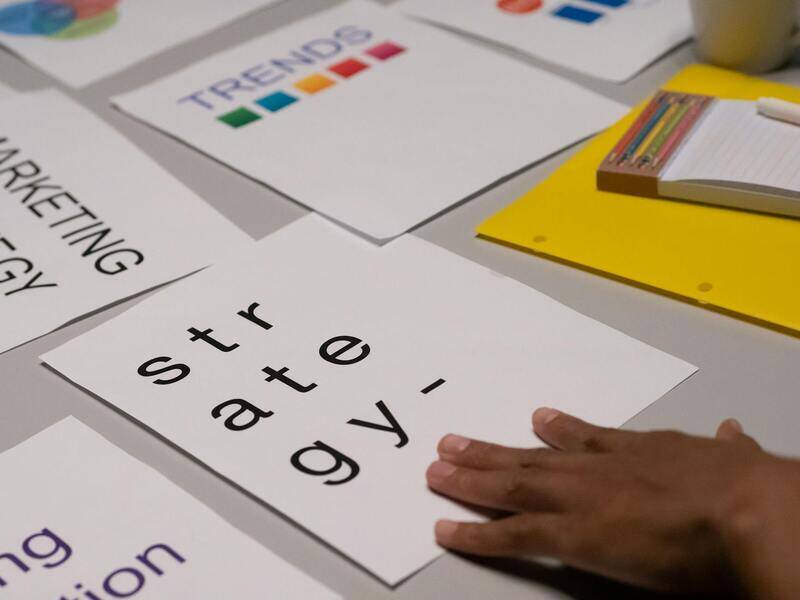
Creating an impactful folded brochure requires careful planning of its visual and structural elements. Designers should prioritize a layout that guides the reader naturally through the information, ensuring key messages and calls-to-action stand out effectively. The use of consistent branding, including color schemes, fonts, and imagery, enhances recognition and professionalism. Importantly, the fold lines should be planned meticulously to prevent content from being compromised or becoming cluttered, especially in complex fold styles like gate-fold or Z-fold options.
When designing, consider the hierarchy of information. The front panel must immediately capture attention with a compelling headline or visual; subsequent panels should flow logically, offering supporting details or calls-to-action that lead the reader toward engagement. Incorporating ample white space prevents the design from appearing overcrowded and enhances readability. Additionally, high-resolution images and sharp graphics ensure a polished look, especially when printing on premium materials.

Design templates can serve as valuable tools for ensuring alignment and consistent spacing across all panels. Collaborating with professional graphic designers or utilizing specialized software helps in achieving precise fold lines and aesthetic harmony. Moreover, selecting designs that complement the printed material's purpose—whether informative, promotional, or brand-oriented—will maximize the impact of the finished brochure.
Choosing the Right Paper and Finishes
Paper selection is paramount in shaping the overall perception of a folded brochure. High-quality cardstock or coated papers provide durability and a premium feel, which can enhance brand image. The weight of the paper, typically measured in GSM (grams per square meter), directly influences the brochure's sturdiness. Common options range from 170 GSM for lightweight brochures to 300 GSM or more for luxury, presentation-grade pieces.
Finishes add a tactile dimension that elevates printed materials. Matte finishes offer a sophisticated, understated look, reducing glare and concealing fingerprints. Glossy finishes lend vibrancy and sharpness to visuals, making colors appear more vivid. Soft-touch coatings provide a luxurious feel, often associated with high-end brands. UV coatings can be selectively applied to highlight certain areas, adding dimension and visual interest where needed.
Choosing the appropriate paper and finish depends on the intended use, budget, and brand identity. It is advisable to request samples beforehand to assess how the chosen materials respond to folding, printing, and finishing processes. Quality paper and finishes not only enhance aesthetics but also improve the durability and lifespan of the brochure, ensuring it withstands handling and environmental factors effectively.
Printing Techniques and Processes
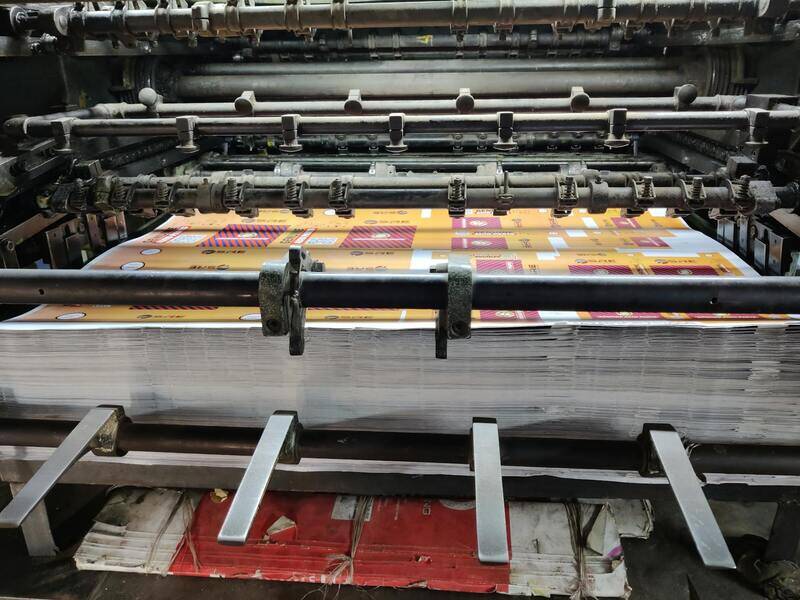
To achieve crisp, vibrant results, it is crucial to select suitable printing techniques aligned with the brochure's design and material. Offset printing remains the most common method for producing high-volume folded brochures, offering excellent color accuracy, detail, and consistency across large runs. It is especially suitable when precise color matching and high-quality finishes are required.
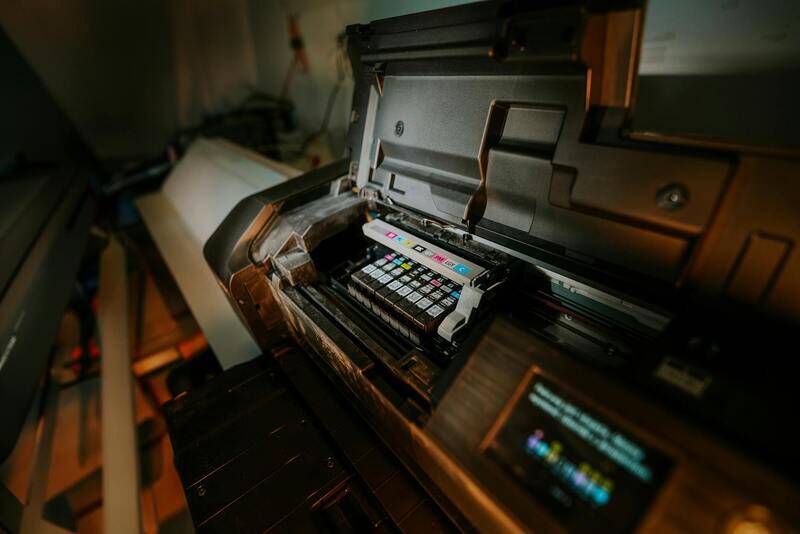
Digital printing provides a more flexible solution for shorter runs, allowing for quick turnaround times and easy customization. This method is cost-effective for small quantities and enables on-demand printing, which reduces waste and storage concerns. Additionally, special effects such as embossing, foil stamping, or spot UV can be incorporated through specific printing processes, adding a tactile and visual enhancement that makes the brochure stand out.

Color management and proofing are vital steps in the process ensuring that the printed product matches the intended design elements precisely. It’s also essential to select the right finishing techniques—such as lamination or coating—that complement the printing method and intended use to enhance durability and aesthetic quality.
Design Considerations for Folded Brochures
Effective design is essential to maximize the impact of folded brochures and ensure that the message resonates with the target audience. When crafting the layout, it’s important to consider how each panel will guide the reader through the content seamlessly. Visual hierarchy plays a critical role; strategic placement of headlines, images, and calls-to-action directs attention and facilitates easy navigation.
Imagery should complement the message, utilizing high-resolution images that are relevant and professionally styled. Consistency in color schemes, fonts, and graphic elements creates a cohesive look, reinforcing brand identity and professionalism. Text should be concise and clear, employing readable fonts and logical positioning to avoid clutter and confusion.

Optimizing Content for Each Fold
Careful planning of content distribution across the panels ensures logical flow and prevents vital information from being overlooked. Use the first panel as an engaging cover with compelling visuals and messaging. The inner panels can deliver detailed information, features, and benefits, while the back panel offers contact details and calls-to-action.
Each fold should serve a purpose, whether it’s highlighting a product, telling a story, or guiding the reader toward the next step. Breaking down complex information into digestible sections enhances readability and engagement. Incorporate visual cues like icons or separators to differentiate content areas and improve clarity.
Considering Size and Format
Choosing the appropriate size and fold style depends on the brochure’s purpose and distribution method. Standard sizes like tri-fold or bi-fold are versatile and widely used for marketing materials. However, custom dimensions or unique fold styles can create a distinctive impression and better suit specific branding or informational needs.
Designers should also keep in mind the ease of handling and storage when selecting dimensions. Larger formats may offer more space for detailed visuals and text but could be less convenient for mailing or handouts. Conversely, compact designs are portable and cost-effective, but may require more strategic content placement to maximize space.
Emphasizing Brand Consistency and Visual Appeal
Maintaining brand consistency across all elements of the brochure, including logo placement, color palette, and typography, reinforces brand recognition. Style guides or brand manuals can be helpful tools in ensuring uniformity. Additionally, incorporating unique graphic elements or finishes—such as embossing, foil accents, or matte/gloss coatings—can elevate the brochure’s visual charm and tactile experience, making it more memorable for recipients.
Balance is key; visual elements should complement textual content without overwhelming it. Strategic use of white space enhances readability and highlights the most important messages. By harmonizing these design principles, businesses can produce folded brochures that are not only aesthetically appealing but also capable of delivering a powerful, cohesive message that aligns with their branding goals.
Choosing the Right Paper and Finishes
Selecting the appropriate paper stock and finishes is critical in producing high-quality folded brochures that effectively communicate your message and resonate with your target audience. The choice of paper impacts both the visual appeal and durability of the final product, making it an essential consideration in the printing process.
For most marketing applications, standard paper weights range from 80 lb to 100 lb, offering a good balance between sturdiness and cost-effectiveness. Thicker stocks, such as 100 lb or higher, lend a premium feel, enhancing the perceived value of your brochure. It is also common to choose heavier paper for the cover pages, providing additional strength and a more luxurious impression, while using lighter paper for internal panels to optimize costs.
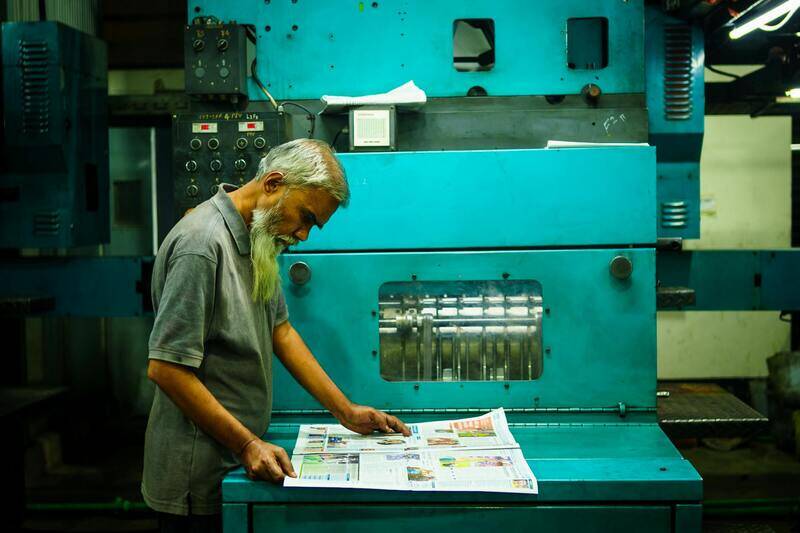
- Matte Finish: Offers a non-reflective surface that reduces glare, ideal for brochures with text-heavy content or sophisticated branding.
- Gloss Finish: Provides a shiny, vibrant surface that accentuates colors and visuals, perfect for eye-catching images or promotional materials.
- Lamination: Adds a protective layer that enhances durability and can be either matte or gloss. Lamination is particularly beneficial for brochures exposed to handling or environmental factors.
- UV Coating: A high-gloss coating applied after printing to accentuate visuals, offering a durable and striking finish.
The selection of finishes not only influences the aesthetic but also affects the longevity of the brochure. Matte finishes are often preferred for a more understated elegance and ease of reading, while gloss and UV coatings are chosen for vivid visuals that grab attention. Lamination offers added protection, making it suitable for retail or outdoor use.
Overview of Folded Brochure Printing
Folded brochure printing involves the process of creating professionally designed marketing materials that are folded into various configurations to organize information effectively. This method allows businesses to deliver concise messages, showcase images, and highlight key features within a compact, easy-to-handle format. High-quality printed folded brochures serve as vital tools in advertising campaigns, trade shows, and direct mailing efforts, providing a tangible connection to the brand and facilitating customer engagement.

Common Types and Styles of Folded Brochures
Folded brochures come in numerous styles, each serving different marketing objectives and design preferences. Understanding these options can help in selecting an appropriate format that enhances your message.
- Bifold Brochure: Consists of one fold, dividing the sheet into two sections, creating a simple, clean layout suitable for straightforward messaging.
- Trifold Brochure: Features two parallel folds, resulting in three panels on each side, often used for menus, event programs, or product catalogs.
- Z-Fold Brochure: Similar to the trifold but with a zigzag fold, allowing for a dynamic presentation that is easy to open and read sequentially.
- Gate Fold Brochure: Has end panels that open like gates, revealing a large central panel. Ideal for showcasing high-impact visuals or key messages.
- Parallel Fold: Multiple parallel folds create several panels, suitable for detailed information distribution or step-by-step guides.
Design Considerations for Folded Brochures
Effective design is crucial for ensuring your folded brochure communicates the intended message clearly while maintaining visual appeal. Several considerations come into play:
- Panel Layout: Strategically prioritize content placement; the front panel should capture attention, while the inside panels convey detailed information.
- Visual Hierarchy: Use size, color, and font weights to guide readers naturally through the brochure's sections.
- Fold Lines: Keep critical information away from fold lines to prevent text or images from being cut off or distorted.
- Consistency: Maintain branding elements such as logos, color schemes, and fonts throughout to reinforce brand identity.
- Call to Action (CTA): Ensure the CTA is prominently positioned, encouraging the reader to take the next step.

Choosing the Right Paper and Finishes
The selection of paper stock and finishing options plays a vital role in defining the tactile quality and durability of your folded brochure. The right choice depends on your branding goals, budget, and environmental considerations.
- Paper Weight: Typically ranging from 80 lb to 100 lb, this range offers resilience without sacrificing flexibility. Thicker stocks impart a premium feel, suitable for high-end brands.
- Finish Options: Matte finishes reduce glare, fostering readability and elegance, while gloss finishes enhance color vibrancy for visual impact. Lamination provides added durability, making brochures resistant to wear and tear.
- Special Coatings: UV coatings can further intensify visual appeal and protect against environmental factors. Consider eco-friendly options such as recycled paper or plant-based coatings.
In addition to visual and tactile qualities, the choice of paper and finishes affects the longevity of the brochure, especially for materials expected to be handled frequently or exposed to the elements. Combining appropriate paper stock with finishes that complement your overall design can elevate the brochure’s perceived value significantly.
Factors Affecting Costs of Folded Brochure Printing
When planning a folded brochure printing project, several key elements influence the overall production costs. Understanding these factors allows for more accurate budgeting and helps in selecting options that align with your marketing goals and financial constraints.
Choice of Paper and Material Quality
The type of paper selected has a direct impact on the cost. Higher-quality, thicker stock such as 100 lb gloss or matte finished paper tends to be more expensive than standard 80 lb options. Specialized paper finishes, such as linen or textured surfaces, also add to the expense. Eco-friendly materials like recycled paper may incur additional costs but offer sustainability benefits that many brands value.
Size and Dimension Specifications
Standard sizes, such as 8.5x11 inches or 5.5x8.5 inches, are often more cost-effective due to bulk production efficiencies. Custom dimensions or unusual sizes require additional die-cutting processes, increasing setup fees and per-unit costs. Considering standard sizes can optimize cost efficiency for larger print runs.
Complexity of Design and Folding Styles
More intricate fold styles – such as gate folds, double parallel folds, or multi-panel configurations – often necessitate more precise scoring or die-cutting, contributing to higher production costs. Simpler folds, like bi-fold or tri-fold, are generally less expensive and faster to produce while still providing an effective way to organize content.
Quantity of Copies
Economies of scale come into play with larger print runs. The more copies ordered, the lower the cost per unit. Small quantities may involve higher setup fees, making each brochure relatively more expensive. Planning for a sufficient quantity can help reduce the overall cost per piece and maximize the investment.
Color Usage and Printing Process
Full-color, high-resolution images and vibrant design elements enhance visual appeal but also influence costs. Four-color process printing (CMYK) is standard for full-color brochures, but additional spot colors or special effects like metallic or gloss coatings add to expenses. Digital printing might be cost-effective for smaller quantities, while offset printing is preferable for larger runs requiring high quality and consistency.
Finishing and Additional Features
Enhancements such as UV coatings, lamination, embossed elements, or foil stamping can elevate the brochure's appearance but incur additional charges. These finishing details enhance durability and tactile quality, contributing to a premium product.
Understanding the Printing Methods for Folded Brochures
When it comes to producing high-quality folded brochures, selecting the appropriate printing method is crucial. The two primary techniques utilized in the industry are offset printing and digital printing, each with its distinct advantages that cater to different project needs and production scales.
Offset Printing: The Industry Standard for Large Volumes
Offset printing remains the preferred method for high-volume folded brochure projects due to its ability to deliver consistent quality and cost efficiency at larger quantities. This process involves transferring ink from plates onto rubber blankets before applying it to paper, enabling precise color reproduction and sharp details. The initial setup, which includes creating plates and configuring presses, can be time-consuming and incurs higher upfront costs. However, once the setup is complete, the cost per piece decreases significantly, making offset printing an ideal choice for extensive distribution campaigns requiring uniformity and high-resolution images.
Digital Printing: Flexibility for Small to Medium Runs
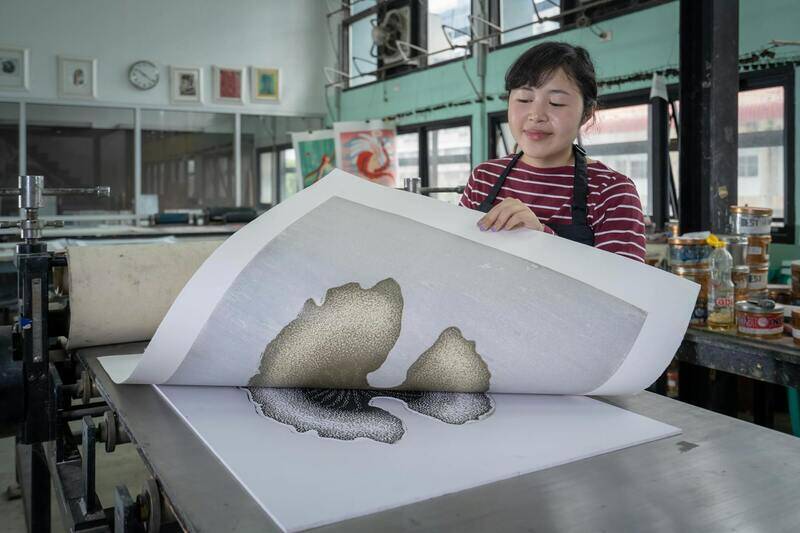
Digital printing offers an efficient alternative for smaller quantities or projects with frequent updates. This method bypasses the need for plates, instead utilizing digital files directly on high-end printers. The benefit of digital printing lies in its quick turnaround times, reduced initial setup costs, and the ability to produce variable data—such as personalized messages or images—without additional effort. While digital printing may have slightly higher unit costs compared to offset for large runs, its flexibility and lower initial investment make it a popular choice for short-term campaigns or highly customized brochures.

Choosing Between Offset and Digital Printing
The decision on which method to employ depends on various factors including volume, timeline, budget, and desired quality level. Large-scale, high-quality projects with consistent design elements typically benefit from offset printing due to its efficiency at scale. Conversely, smaller projects that demand quick delivery or personalization are better suited for digital printing. Evaluating these variables ensures that the chosen process aligns with project objectives and resource constraints.
Additional Printing Techniques for Enhanced Brochures
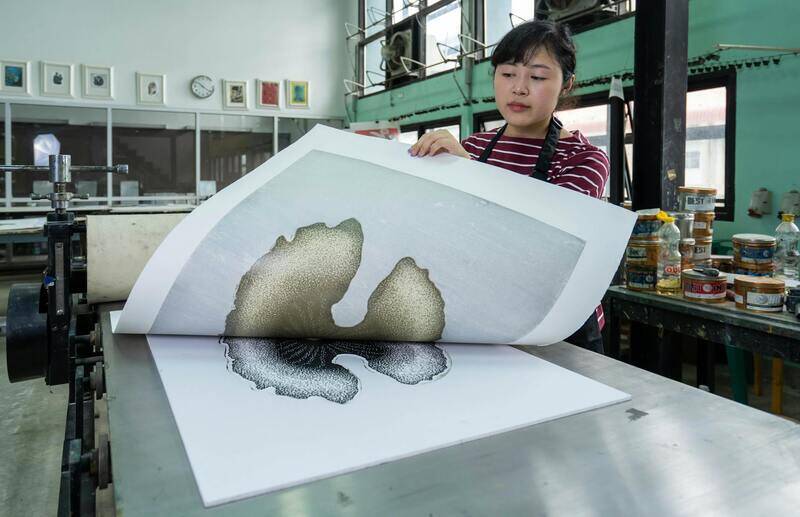
Beyond basic printing methods, advanced techniques such as screen printing, letterpress, or specialty inks can be incorporated for specialized effects. These methods are generally reserved for premium brochures aiming to create a tactile or visual impact that differentiates the printed material from competitors. Incorporating elements like embossed textures, metallic inks, or matte and gloss coatings can elevate the brochure’s appearance, but these features also involve additional steps, equipment, and costs.

Considerations for Selecting the Appropriate Printing Process
- Order Quantity: Larger runs favor offset due to lower per-unit costs, while digital is advantageous for smaller quantities.
- Design Complexity: Intricate designs with multiple colors may require offset for precision, though digital can handle complex printing with advanced color management systems.
- Timeline: Digital printing provides faster turnaround times, suitable for urgent projects.
- Budget: Initial investments for offset are higher, but long-term costs are lower for extensive prints; digital minimizes upfront costs but may be more expensive per piece.
- Quality Expectations: Offset generally offers superior image sharpness and color fidelity, ideal for high-quality marketing materials.
By aligning the selected printing method with project specifications, businesses can ensure that their folded brochures are produced efficiently, cost-effectively, and to the desired standard of quality.
Ensuring Proper Handling and Finalization of Folded Brochures
Achieving high-quality folded brochures hinges on meticulous handling throughout the entire printing and finishing process. From proofing to final inspection, each stage must adhere to established standards to maintain precision, avoid damages, and preserve the integrity of the design.
Best Practices in Proofing and Quality Checks
- Pre-press proofing: Always review digital proofs meticulously for color accuracy, alignment, and fold lines. Verify that all text is legible and free from errors, and that design elements are correctly positioned.
- Hard copy proofs: When possible, request printed samples before full production. This allows for real-world assessment of colors, paper quality, and folding precision.
- Color management: Ensure that color profiles are correctly calibrated to match your design intent, especially when using specific inks or finishes.
Handling and Storage Considerations
Proper handling minimizes risks of damage that can compromise the professional appearance of folded brochures. Use clean, dry hands or gloves during handling to prevent smudges. Store printed materials flat or in stacks using inserts to prevent bending or scratching. Controlled environments with appropriate humidity and temperature are essential to avoid warping or other physical deformations, particularly when working with specialty papers or finishes.
Inspection and Final Quality Control
- Visual inspection: Conduct thorough reviews of each batch, checking for accurate folds, color consistency, and absence of printing defects such as smudges, misalignments, or missing pages.
- Fold precision: Confirm that folds are clean, crisp, and aligned perfectly along fold lines. Use tools like rulers or fold gauges if necessary.
- Finish integrity: Assess coatings, embossing, or specialty inks for uniform application and adhesion. Ensure that no peeling or cracking has occurred.
Maintaining Quality During Distribution
When distributing folded brochures, take precautions to prevent damages. Use appropriate packaging such as stacking trays, protective wraps, or cardboard sleeves. Avoid overcrowding, which can cause bends or crushing of the brochures. Train staff on proper handling techniques to preserve the professional presentation, especially if the brochures contain specialty finishes or intricate folds.