Understanding Custom Banner Printing
Custom banner printing is a specialized service that allows businesses, organizations, and individuals to create visually impactful banners tailored to specific needs and preferences. This process involves designing, selecting materials, and printing banners in various sizes and styles to effectively communicate messages, promote brands, or enhance event visibility. In Singapore, where competition and branding play crucial roles in business success, the ability to produce bespoke banners offers a strategic advantage.
Custom banners are versatile marketing tools used in a wide range of settings, including retail outlets, trade shows, corporate events, and public gatherings. Their importance lies in their capacity to attract attention quickly, convey information clearly, and reinforce brand recognition through consistent visual themes. Whether for promoting new products, announcing sales, or marking special occasions, custom banners are an essential element in the toolkit of effective promotional strategies.
The process begins with conceptualizing the design, which should align with the intended message and the target audience. High-quality printing techniques and durable materials ensure that the banners withstand various environmental conditions, especially outdoor settings prone to weather changes. Given Singapore’s vibrant commercial landscape, companies often seek professionally printed banners that not only stand out visually but also reflect a polished and credible image.
Ultimately, the significance of custom banner printing lies in its ability to communicate effectively and elevate brand presence. As part of comprehensive marketing and event planning, well-designed banners serve as lasting impressions that help businesses and organizations achieve their visual communication goals with impact and professionalism.
Design Considerations for Custom Banners
Creating an effective custom banner requires careful attention to design elements that enhance visual impact and communicate the intended message clearly. A well-thought-out design combines strategic use of color, typography, imagery, and layout to attract viewers and ensure message retention. Colors should align with brand identity and evoke the desired emotional response, while typography needs to be legible from a distance, especially for outdoor banners. Incorporating high-quality visuals or logos ensures that the banner visually aligns with overall branding efforts. Additionally, balance and hierarchy in design help guide viewers’ eyes across essential components such as headlines, images, and call-to-actions.
When planning the layout, consider the viewing distance and environment. For large outdoor banners, simplicity and bold fonts are vital to ensure readability from afar. For indoor or trade show banners, more detailed content and intricate designs may be appropriate, provided they remain uncluttered. The inclusion of a compelling call-to-action can direct viewers towards desired responses, such as visiting a website or making a purchase. Consistency with brand style guides helps maintain a professional appearance and supports brand recognition across all promotional materials.
Material and Printing Techniques
Choosing the right material is crucial for durability, appearance, and environmental suitability. Common options include vinyl, fabric, mesh, and polyester. Vinyl banners are highly durable, weather-resistant, and ideal for outdoor use, while fabric banners offer a sophisticated look suitable for indoor environments and events. Mesh banners are designed with small holes to allow wind passage, making them excellent for outdoor settings exposed to harsh weather conditions. Each material responds differently to printing techniques, which include UV printing, screen printing, and dye sublimation, allowing for vibrant colors and crisp details that withstand exposure to light and weather.
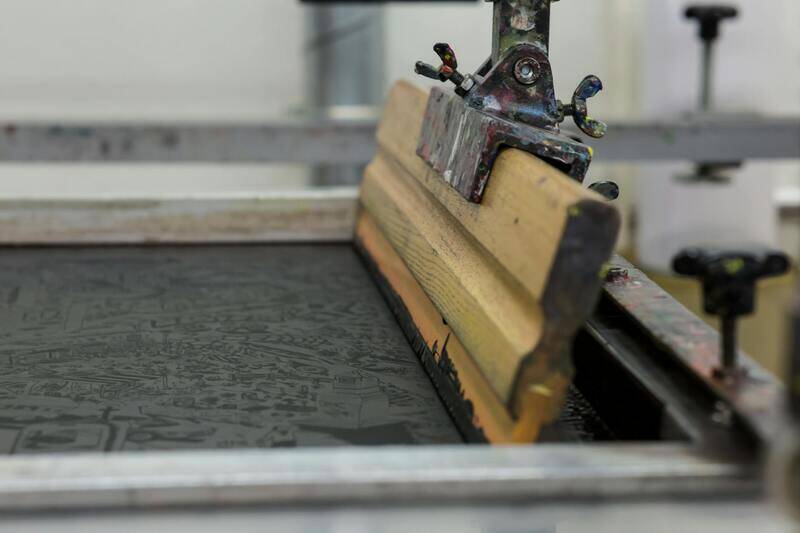
Advancements in printing technology have made it possible to produce images with high resolution and color accuracy. UV printing, in particular, provides immediate curing, resulting in robust and scratch-resistant finishes. Dye sublimation offers rich, photographic-quality images on fabric materials, perfect for detailed artwork or photographic banners. Screen printing remains a viable option for large quantities with simple color schemes, providing cost efficiency without compromising quality. Selecting the appropriate material and printing technique ensures the banner is not only visually appealing but also capable of withstanding the environmental factors it will face.
Size, Dimensions, and Specification Tips
Determining the optimal size and dimensions for custom banners involves assessing the intended display location, viewing distance, and message complexity. Banners intended for outdoor visibility typically require sizes ranging from 4x6 feet to 10x20 feet or larger, ensuring they catch attention from afar. For indoor use or trade shows, smaller sizes are often sufficient but should be proportionate to the display area. When specifying dimensions, maintain appropriate aspect ratios to prevent distortion of images and text. Pay attention to the resolution of the digital artwork; for large banners, a minimum of 150 DPI at final print size is recommended to ensure sharpness.

Clear specifications regarding thickness, hem allowances, and eyelets or grommets are vital for proper installation and longevity. Considering the environmental factors, such as wind and rain, can also influence size choices. Always consult with your printing provider to confirm that your design meets the technical requirements for your preferred material and printing process, ensuring a seamless creation process and a product that meets your expectations.
Design Considerations for Custom Banners
Creating an effective custom banner requires careful attention to design elements that capture attention and deliver a clear message. The layout should be clean and organized, guiding the viewer’s eye naturally from the most important information to supplementary details. Using contrasting colors enhances readability, especially for outdoor banners where lighting conditions can vary significantly. Incorporating brand logos, slogans, and color schemes consistent with your overall branding helps reinforce your message and improve brand recognition.
When choosing colors, it’s essential to consider both aesthetic appeal and visibility. Bold, vibrant hues can attract immediate attention, while complementary color combinations prevent visual clutter and maintain harmony. Fonts should be legible from a distance; avoid overly decorative or complex typefaces, and keep text size large enough to be read at a glance. Strategically placing your key message at eye level or in prominent positions maximizes impact.
Effective banners also utilize imagery appropriately. High-resolution images with strong focal points make your banner visually compelling. Ensure images are optimized for print resolution — typically 150 DPI for larger banners — to avoid pixelation. Incorporating whitespace can balance the overall layout, preventing it from appearing too crowded or overwhelming. Finally, include a clear call-to-action, such as contact details or a website URL, to direct viewers towards the next step or engagement.
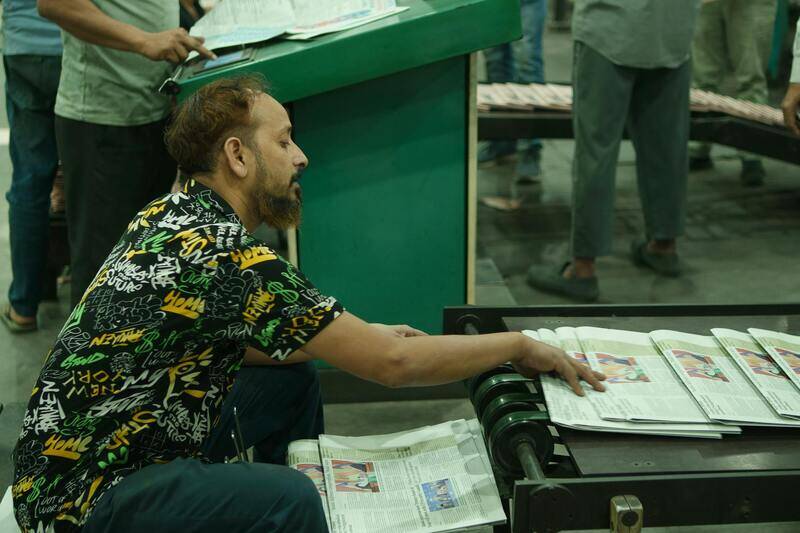
Material and Printing Techniques
The choice of material significantly influences the durability and appearance of your custom banner. Common options include vinyl, mesh, fabric, and canvas, each suited for different environments and purposes. Vinyl banners are versatile and weather-resistant, making them ideal for outdoor use, while fabric banners provide a premium look suitable for indoor events and exhibitions.
Printing techniques also play a crucial role in achieving high-quality results. Digital printing offers vibrant color reproduction and is suitable for short to medium runs with fast turnaround times. Dye-sublimation printing, primarily used on fabric materials, provides excellent color fidelity and a soft finish. Solvent and UV printing techniques deliver longevity and resistance to environmental factors, ensuring your banners maintain appeal over time.
It's equally important to choose the right finishing methods. Hemmed edges, eyelets, and grommets facilitate easy installation and increase the banner's lifespan by preventing fraying. Reinforced seams and double-stitched borders add extra durability, particularly for banners exposed to wind and rain. By selecting appropriate materials and printing methods tailored to your environment and budget, you can maximize the promotional value and longevity of your custom banners.
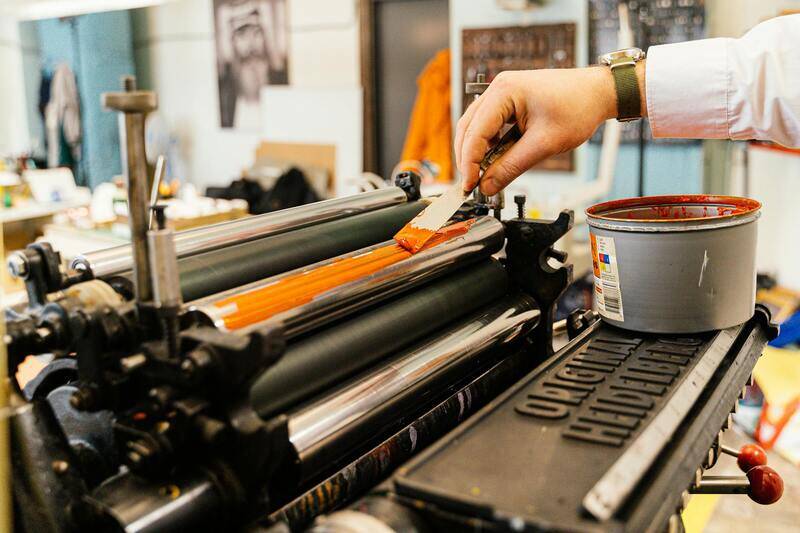
Material and Printing Techniques
For high-quality custom banner printing, understanding the available printing methods and their impact on the final product is essential. Each technique offers distinct advantages in terms of color vibrancy, durability, and suitability for various environments.
- UV Printing: This method uses ultraviolet lights to cure the ink instantly onto the material, resulting in sharp, vibrant images with excellent resistance to fading and environmental wear. UV printing is ideal for outdoor banners that require prolonged exposure to sunlight, rain, and wind, ensuring the graphics remain vivid and intact over time.
- Solvent Printing: Employing solvent-based inks, this technique produces durable, weather-resistant banners. It is particularly effective for large-format outdoor displays, as the inks penetrate deeply into the material, providing resistance to water, UV rays, and abrasions. Solvent printing preserves the banner’s integrity in challenging weather conditions, making it a popular choice for external advertising campaigns.
- Dye Sublimation: Primarily used on fabric materials, dye sublimation allows for high-resolution, full-color images with a soft finish. This method is perfect for indoor banners where image quality and aesthetic appeal are prioritized. The dye sublimation process ensures the colors are embedded into the fabric, resulting in a smooth, professional look without cracking or peeling over time.
The choice of material plays a crucial role in achieving desired durability and visual effects. Vinyl banners are widely favored for outdoor use due to their robustness and weather resistance. Mesh banners, with their perforations, are suitable for windy areas as they allow airflow while maintaining visibility. Fabric banners, crafted from polyester or similar textiles, provide a premium feel and are often used for indoor displays such as trade shows, exhibitions, and corporate events. Canvas banners, recognized for their artistic appearance, are suitable for decorative purposes or high-end displays.

All these options underline the importance of matching your banner’s material and printing technique to the environment and purpose. High-quality printing not only enhances visual impact but also ensures longevity, decentralizes maintenance costs, and maximizes promotional effectiveness.
Securing Your Custom Banner Printing Through Reputable Channels
To ensure the highest quality and durability in your custom banner printing projects, it is essential to engage with reputable service providers that adhere to established industry standards and utilize advanced printing technologies. Working with experienced companies guarantees that your banners meet your specifications, are produced with high-grade materials, and maintain their visual appeal over time.
Official printing service providers offer comprehensive consultation services, guiding clients through material selection, design optimization, and technical specifications. This collaborative approach ensures that each banner aligns perfectly with its intended purpose, whether for outdoor advertising, trade shows, or special events. These providers also implement quality control measures at every stage of production, from digital design preparation to final inspection, to minimize errors and guarantee customer satisfaction.
Choosing established vendors often involves reviewing their portfolio, checking for industry certifications, and verifying customer feedback. Such due diligence helps confirm their capability to handle large-scale projects efficiently and deliver consistent results. Many professional printers also offer customization options, including various sizes, finishes, and mounting solutions, allowing you to tailor your banners precisely to your marketing goals.
Opting for official channels can also safeguard your investment by ensuring compliance with environmental standards, safety regulations, and industry best practices. This diligence results in banners that not only impress visually but also withstand the rigors of outdoor exposure and frequent handling. Ultimately, professional procurement through authorized providers helps preserve your brand image and reinforces your promotional efforts with high-quality visual assets.
When considering your options, prioritize vendors with a proven track record of delivering durable, vibrant, and accurately produced banners. Request samples and detailed product descriptions, and inquire about their printing processes to gain confidence in their capability to fulfill your project requirements reliably. This strategic approach minimizes the need for reprints or modifications, saving time and costs while ensuring your message is communicated effectively to your target audience.
Understanding Custom Banner Printing
Custom banner printing encompasses the creation of tailored visual displays designed to meet specific marketing, promotional, or decorative needs. Utilizing professional printing services ensures that your banners are produced with high-quality materials and advanced printing techniques, resulting in vibrant, durable visuals. This process begins with a clear understanding of your branding objectives, message, and target audience, allowing for the development of a design that effectively communicates your intent.
The intricacies involved in custom banner printing include selecting appropriate materials, choosing the right printing technology, and ensuring the final product aligns with your desired specifications. By partnering with reputable printing providers, clients can leverage industry-standard practices that guarantee consistency in color reproduction, sharpness, and overall finish. Understanding the core principles of this process is vital to making informed decisions that maximize the impact of your promotional efforts.
Furthermore, detailed planning and collaboration with experienced printers contribute significantly to achieving optimal results. From initial design mockups to final proof approvals, the process demands attention to detail to ensure that the produced banners precisely match your envisioned outcome. High-quality printing, durable materials, and effective finishing options are crucial components that enhance the visual appeal and lifespan of your banners.
Custom banner printing allows for extensive personalization, including bespoke sizes, unique shapes, and specialized finishes such as matte or gloss surfaces. These options enable brands and organizations to stand out in various environments, whether indoor displays or outdoor advertising scenarios. Ultimately, a carefully executed custom printing plan elevates your visual communication and reinforces your branding presence effectively.
Types of Banners Available
Numerous banner types serve different purposes and environments. Popular options include:
- Vinyl Banners: Known for durability and weather resistance, ideal for outdoor advertising.
- Offer a soft finish with excellent color vibrancy, suitable for indoor events.
Designed with small holes for wind passage, perfect for large outdoor displays exposed to outdoor elements. - Backlit Banners: Suitable for illuminated displays, enhancing visibility during night-time or low-light conditions.
- Expandable / Retractable Banners: Portable and versatile, perfect for trade shows and temporary promotions.
Choosing the right banner type depends on environmental factors, desired lifespan, and visual requirements. Professional printing services offer guidance to help select the most suited option for your specific needs.
Design Considerations for Custom Banners
Effective banner design hinges on clarity, branding consistency, and visual impact. Key considerations include:
- Brand Identity: Incorporate logos, color schemes, and fonts that align with your brand guidelines.
- Message Simplicity: Keep text concise and to the point to maximize readability from a distance.
- Visual Hierarchy: Use size, color, and positioning to emphasize the most important elements.
- Contrast and Color: High contrast enhances visibility; vivid colors attract attention.
- Image Quality: Use high-resolution images to prevent pixelation and maintain sharpness in printing.
Tools and professional graphic design services can assist in creating compelling visuals that translate effectively onto fabric or vinyl substrates. Preparing your designs with the appropriate bleed margins and resolution ensures a smooth printing process with minimal adjustments needed.
Material and Printing Techniques
The choice of materials and printing techniques directly influences the durability, appearance, and cost of your banners. Common materials include vinyl, fabric, mesh, and all-weather plastics, each with unique benefits tailored to specific uses.
Printing technologies such as solvent, latex, UV, and dye sublimation each offer advantages regarding color accuracy, environmental impact, and longevity. For example, solvent printing produces highly weather-resistant banners suitable for prolonged outdoor use, while dye sublimation excels in delivering vibrant colors on fabric materials for indoor or event-specific displays.

Size, Dimensions, and Specification Tips
Determining the correct size and dimensions for your banner involves considering display location, viewing distance, and intended message scope. For instance, outdoor banners often demand larger sizes to ensure visibility from afar, typically ranging from 4x8 feet to 20x60 feet or more. Indoor banners, however, may be smaller but require high resolution to ensure crisp visuals at close viewing distances.
When specifying dimensions, keep in mind:
- Safe margins for bleed and trim areas to prevent important information from being cut off
- Clearance space around text and images for proper framing
- Consideration of mounting options and hardware placement for seamless installation
- Use of templates provided by printing vendors to align your design accurately with final cut lines
Accurate specifications at the design stage reduce the risk of reprints, saving both time and costs. Collaboration with experienced printers can facilitate precise adherence to your desired dimensions while maintaining image quality and structural integrity.
Understanding Custom Banner Printing
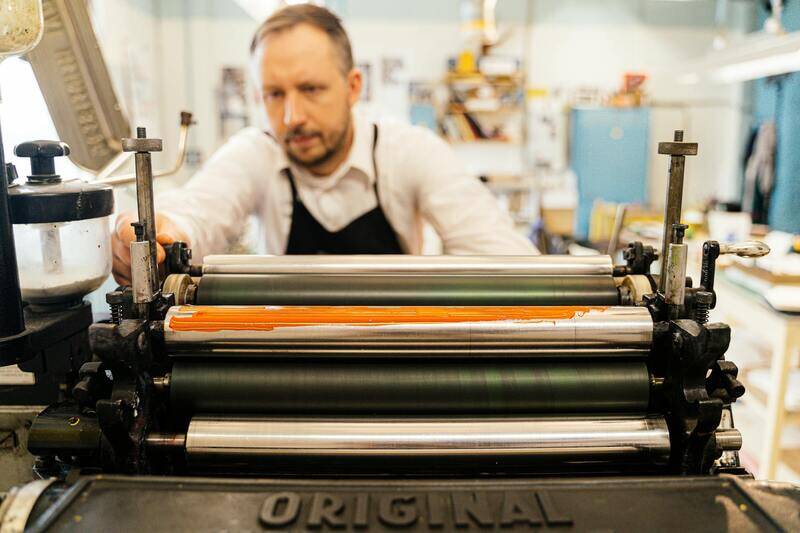
Custom banner printing involves creating large-scale visual displays tailored to specific needs, goals, and branding requirements. Whether promoting an event, showcasing a product, or enhancing a corporate identity, the process combines artistic design with technical printing methods to produce eye-catching and durable graphics. The ability to customize every aspect, from size and shape to material and finish, ensures that each banner aligns perfectly with its intended environment and audience. Expertise in color management and material selection plays a vital role in achieving vibrant visuals that withstand the elements while maintaining sharpness and clarity. The process typically begins with detailed design preparation, where clients collaborate with experienced printers to refine layouts, select color schemes, and specify finishing touches. Once approved, the digital files are translated into high-resolution prints using advanced equipment, ensuring consistency and quality. Effective communication with the printing provider, clear articulation of expectations, and adherence to technical specifications are crucial to attaining results that fully realize the initial vision.
Types of Banners Available
There exists a diverse range of banner styles designed for different environments and purposes, each with specific characteristics that optimize their effectiveness:
- Vinyl Banners: Known for their durability and weather resistance, vinyl banners are ideal for outdoor advertising. They withstand rain, wind, and sun exposure, making them suitable for roadside promotions, event signage, and long-term outdoor displays.
Featuring perforations, mesh banners facilitate airflow, reducing wind load. They are perfect for outdoor installations where high wind conditions are common, such as sports stadiums or construction site fencing. Offering a premium look with soft textures and vibrant color reproduction, fabric banners are often employed for indoor exhibitions, trade shows, and retail displays. The materials are lightweight and easy to assemble with various finishing options. - Banner Flags: These are versatile, portable banners designed to catch attention from a distance. Often used for directional cues or promotional messages at events and store fronts, banner flags come in various shapes and sizes.
Design Considerations for Custom Banners
Creating impactful custom banners relies heavily on thoughtful design principles. Clear messaging, strong visual hierarchy, and brand consistency are fundamental, but additional considerations include:
- Color Selection: Use vibrant, contrasting colors that stand out and reinforce branding standards. Be mindful of the environment where the banner will be displayed—outdoor banners benefit from color schemes that resist fading and glare.
- Font and Typography: Choose legible fonts and appropriate sizes to ensure readability from a distance. Avoid cluttered layouts; instead, prioritize key information and calls-to-action.
- Graphics and Imagery: Use high-resolution images and graphics that are optimized for large-scale printing. Overly complex designs may not reproduce well at larger sizes, so prioritize simplicity and clarity.
- Layout Balance: Maintain a balanced composition that guides the viewer’s eye naturally across the banner. Incorporate whitespace strategically to prevent visual overload.
Material and Printing Techniques
The durability and appearance of custom banners depend largely on the choice of materials and printing techniques employed:
- Material Selection: Options include vinyl, fabric, mesh, and specialty substrates. Each material offers different strengths, such as weather resistance, softness, or breathability, tailored to the banner’s use case.
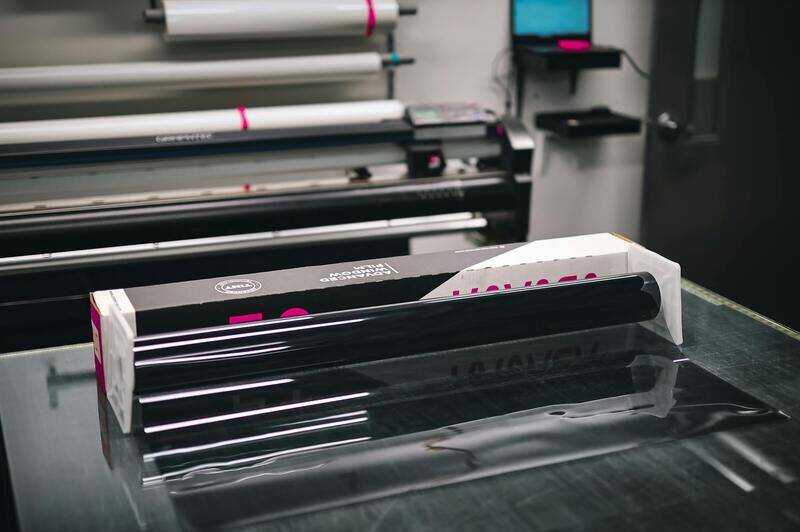
- Printing Methods: Common techniques include solvent, eco-solvent, UV, and dye sublimation printing. Solvent and eco-solvent printers are favored for outdoor banners due to their ability to produce vibrant colors and resistance to environmental factors. UV printing offers high detail and is suitable for smaller, indoor applications. Dye sublimation provides rich, vivid images on fabric materials.
- Finishing Processes: To enhance durability and aesthetics, finishing options such as hemming, grommets, pole pockets, and lamination are applied. These features facilitate easy installation and protect the banners from wear and tear.
Size, Dimensions, and Specification Tips
Determining the optimal size for your banner requires understanding the intended viewing distance, installation environment, and placement objectives. Common sizes include 2x4 feet, 4x8 feet, and 10x20 feet, but custom dimensions are equally feasible:
- Measure the Viewing Distance: Larger banners are necessary for distant viewing areas, ensuring that graphics and texts remain clear and legible.
- Consider Installation Space: Allow extra margins for finishing elements such as hems and grommets, and ensure that the banner fits well within designated space without clutter.
- Maintain an Aspect Ratio: Keep proportions consistent to prevent distortion during printing. Provide detailed specifications, including width, height, and any unique shape requirements.
- Resolution and File Formats: For large-format printing, files should be prepared at minimum 150 dpi at final size. Utilize vector formats like AI, EPS, or PDF for logos and graphics to ensure scalability without loss of quality.
Pricing Factors and Budgeting for Custom Banners
Understanding the factors that influence the cost of custom banners helps in effective budgeting and obtaining the best value for your investment:
- Size and Dimensions: Larger banners require more material and longer production times, impacting the overall price.
- Material Choice: Premium materials such as fabric or specialty substrates typically command higher prices than standard vinyl options.
- Design Complexity: Intricate graphics, photographic content, and special finishes can increase production costs due to extended printing times and labor.
- Quantity: Ordering in bulk can lead to discounts, lowering the per-unit cost.
- Additional Features: Options like reinforced edges, grommets, pole pockets, or lamination contribute to the total expense.
Understanding Custom Banner Printing
Custom banner printing is a strategic approach to developing eye-catching visual displays tailored to specific promotional needs. Utilizing advanced printing technologies, this method allows individuals and businesses to manifest their ideas through personalized graphics, logos, and messages. Every element, from color schemes to material choices, can be finely tuned to match branding guidelines or event themes. This process not only enhances visibility but also ensures that banners effectively communicate the intended message to target audiences. Skilled printing providers leverage high-resolution digital processes, enabling precise reproduction of intricate designs and vibrant colors that capture attention in various settings. Moreover, the flexibility in customization options means that banners can be designed to fit any environment or purpose, whether it's for roadside advertisements, indoor displays, or special events.
Types of Banners Available
The realm of custom banners is broad, offering a variety of styles suited to different needs and placements. Each type is engineered with specific features to optimize functionality and durability:
- Vinyl Banners: Known for their robustness and weather resistance, vinyl banners are a popular choice for outdoor uses. They withstand harsh weather conditions such as rain, wind, and sun exposure, making them ideal for outdoor signage, event promotions, and long-term advertising campaigns.
- Fabric Banners: Comprising materials like polyester or canvas, fabric banners provide a premium look with vibrant colors and a soft texture. They are often used for interior displays, trade shows, and fashion-related promotions where aesthetic appeal is paramount.
- Mesh Banners: Featuring a perforated design, mesh banners are suitable for windy outdoor environments, allowing air flow and reducing wind pressure. They are commonly used for sports events, construction sites, and large-scale outdoor advertising where durability and visibility are crucial.
- Indoor Banners: Typically made from lightweight materials, indoor banners are suited for windows, walls, and display stands. They often feature low-profile mounting options and are used in retail settings, exhibitions, and corporate events.
Design Considerations for Custom Banners
Creating effective custom banners entails meticulous design planning. It is vital to determine the primary message and ensure that the visual elements are compelling and aligned with branding strategies. Contrast, font choice, and image clarity significantly influence readability, especially from a distance. Color schemes should be vibrant but consistent with brand colors to reinforce recognition. When designing, consider the environment where the banner will be displayed, including lighting conditions and the background. Avoid clutter; instead, focus on concise messaging and impactful visuals. Collaborating with experienced designers or print experts can help refine design elements to optimize visual impact and durability.
Material and Printing Techniques
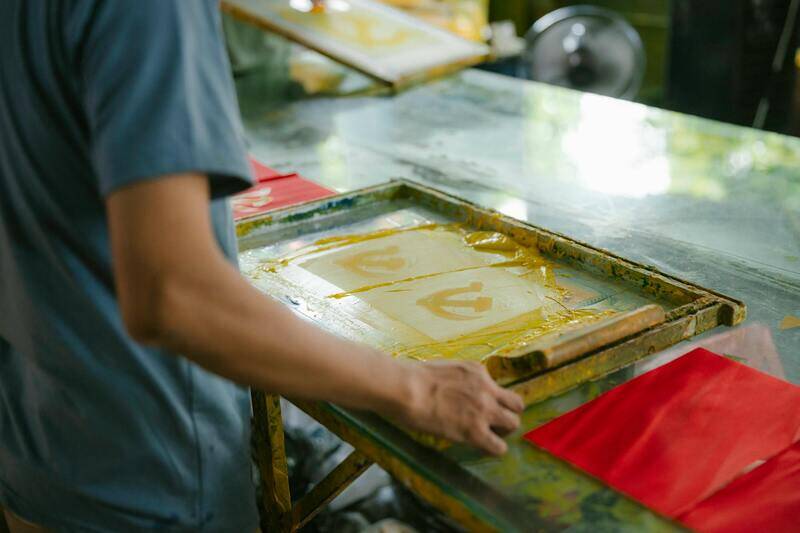
The choice of material profoundly influences the appearance and lifespan of a custom banner. Common options include vinyl, fabric, mesh, and plastic substrates, each suited for specific environments and durability requirements. The printing process typically utilizes methods such as UV printing, sublimation, or solvent-based inkjet printing. UV printing offers vibrant color reproduction and durability, ideal for outdoor banners that need weather resistance. Sublimation printing allows for high-quality color blending especially on fabric materials, producing vibrant, fade-resistant visuals. Solvent-based inks penetrate deep into the material surface, providing long-lasting results under direct exposure to sunlight and moisture. Ensuring the right combination of material and printing technology enhances the overall longevity and vibrancy of the banner, making it suitable for its intended environment.
Size, Dimensions, and Specification Tips
Determining the appropriate size for a custom banner is critical for maximizing visibility and impact. Standard sizes range from small indoor options, such as 3x6 feet, to large-format banners measuring 10x20 feet or more for outdoor advertising. When selecting dimensions, consider the viewing distance and space constraints. Higher-resolution graphics are essential for large banners to maintain image sharpness at expansive sizes. Technical specifications should include details like bleed margins, safe zone boundaries, and appropriate resolution (typically 72-150 dpi at final print size). Communicating these parameters to the printing provider ensures the final product meets expectations without pixelation or distortion. Moreover, incorporating eyelets, grommets, or reinforced hems can facilitate secure installation, especially for larger or outdoor banners.
Pricing Factors and Budgeting for Custom Banners
The cost of custom banner printing depends on various elements, including size, material choice, complexity of design, and printing technology. Larger banners naturally incur higher expenses due to increased material and production time. Premium materials, such as weatherproof vinyl or high-thread-count fabrics, also elevate costs but guarantee longer lifespan and superior appearance. Intricate designs with multiple colors or detailed graphics can increase setup time and ink consumption, influencing price. Additionally, finishing options like hemming, reinforced edges, or special mounting features contribute to overall costs. When budgeting for a custom banner, it is prudent to allocate extra funds for revisions, proofing, and installation accessories. Bulk orders often attract discounts, making strategic planning essential for maximizing value within a specified budget.
Where to Get Custom Banner Printing in Singapore
Choosing a reputable provider for custom banner printing is crucial to achieving high-quality results. Local printing shops with extensive experience in large-format printing and a wide range of material options typically offer reliable service and quick turnaround times. It is recommended to seek providers who utilize advanced printing equipment and have a portfolio demonstrating previous work. Such companies can assist in design refinement, color matching, and material selection to ensure the finished product aligns with your vision. For businesses and event organizers, selecting a partner familiar with various installation techniques and environmental considerations can provide added assurance of durability and ease of setup. Verifying customer reviews and requesting samples or proofs before finalizing an order can further secure your investment in premium custom banners.