Understanding Large Format Photography Printing
Large format photography printing is a specialized process that involves producing high-quality, sizable prints from photographic images. This technique is essential for photographers, artists, and businesses that aim to showcase visuals on a grand scale, whether for galleries, exhibitions, advertising, or interior decor. The significance of this printing method lies in its ability to preserve and emphasize fine detail, color accuracy, and overall image clarity when scaled to dimensions often exceeding several feet in width and height.
In professional and artistic contexts, large format printing elevates visual storytelling, providing an immersive experience for viewers. Its development over the years has integrated advanced printing technologies and materials, making it possible to produce vivid, durable, and true-to-life representations of original photographs. The process demands meticulous attention to image quality, resolution, and material selection to ensure the final product meets the specific aesthetic and functional needs of clients.
Materials and Fabrics for Large Format Printing
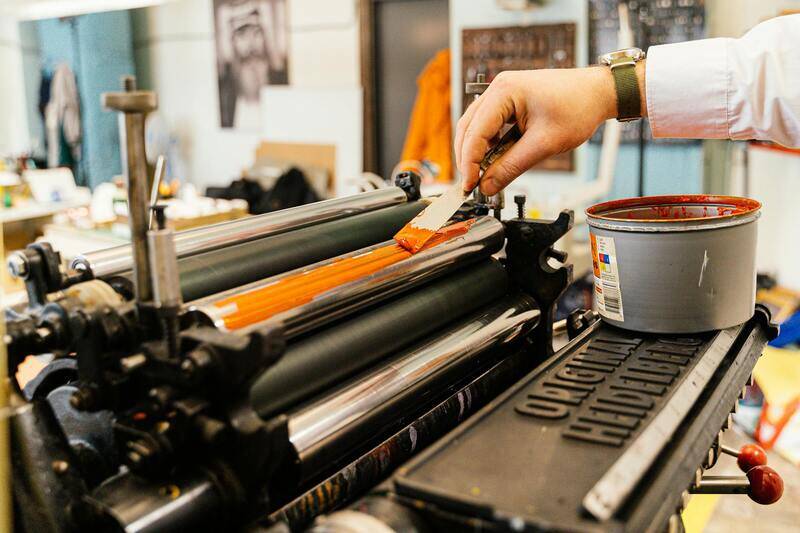
Choosing the right materials and fabrics is fundamental to achieving high-quality large format photographic prints. The selection depends largely on the intended display environment, desired aesthetic, and durability requirements. Common materials include photo papers, canvas, vinyl, fabric backdrops, and specialty textiles, each offering distinct characteristics suited to different applications.
Premium photo papers are favored for their excellent detail reproduction and color accuracy, making them ideal for gallery displays and fine art projects. Canvas, on the other hand, lends a textured, artistic finish that adds depth and a painterly quality to photographs, suitable for both exhibitions and interior decor. Vinyl substrates are widely used for commercial signage and outdoor advertisements due to their weather-resistant properties, while fabric-based materials provide a soft, elegant finish suitable for fine art and decorative purposes.

Additionally, advancements in textile technology have introduced eco-friendly options that reduce environmental impact without compromising print quality. These fabrics are often made from sustainable fibers, providing a versatile palette for creative expression while aligning with eco-conscious initiatives. The choice of material influences not only the visual outcome but also the longevity and maintenance of the final print.
In selecting materials, it is essential to consider factors such as ink compatibility, UV resistance, waterproofing, and ease of installation. Proper material selection enhances color stability over time and withstands environmental exposure, ensuring the artwork remains vibrant and intact for years to come.
Color Management and Image Resolution
Accurate color reproduction and appropriate image resolution form the backbone of successful large format photography printing. Given the substantial size of these prints, even minor discrepancies in color or resolution can significantly impact the final appearance. To achieve optimal results, precise color management practices are implemented throughout the workflow.
Color calibration involves using ICC profiles and color profiles tailored to specific printers and materials to maintain consistency. Color management ensures that what is seen on the digital file aligns closely with the printed output, an essential aspect of professional-grade prints.
Resolution plays a critical role, especially considering the viewing distance. While very high resolutions are necessary for close-up inspections, larger prints observed from a distance can be printed at slightly lower resolution without losing visual impact. A typical rule of thumb for large prints is to aim for a minimum of 150 dpi at the final viewing distance, balancing detail with processing efficiency.
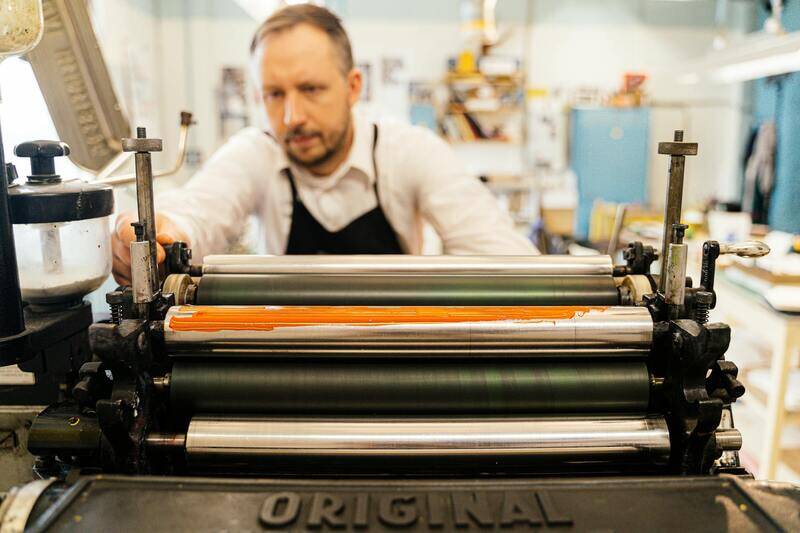
Implementing comprehensive color management protocols and ensuring the digital files are prepared with the correct resolution and color profiles guarantees that the printed photographs retain their vibrancy, detail, and tonal fidelity. This meticulous process is vital to producing large format images that accurately represent the photographer's vision.
Understanding Large Format Photography Printing
Large format photography printing requires meticulous attention to the materials, technologies, and processes involved to ensure the final image meets professional standards. The selection of suitable printing techniques determines the print's quality, durability, and visual impact. To achieve stunning results, it is essential to understand not only the hardware but also the workflow, including image preparation, calibration, and finishing touches.
Precise Image Preparation for Large Format Prints
Before initiating the printing process, high-resolution digital files must be carefully prepared to match the scale of the intended print. Proper image resolution, typically a minimum of 150 dpi at the final viewing distance, is vital to prevent pixelation and loss of detail. Adjustments for tonal accuracy and color fidelity are performed using professional editing software, employing color profiles tailored for large format outputs.
Conversion to appropriate color spaces, such as Adobe RGB or ProPhoto RGB, helps preserve the full color spectrum. Embedded ICC profiles ensure consistent color rendition across different devices and media. Consistency between the digital file and the print is maintained through calibration of monitors, color management workflows, and validation of the printer’s output to match the original image as closely as possible.
Color Management for Precise Results
Effective color management is fundamental in large format photography printing. It involves utilizing standardized workflows that incorporate calibration tools such as spectrophotometers and colorimeters to fine-tune the entire printing process. These tools help characterize the printer, ink set, and media, creating custom profiles that optimize color accuracy and consistency.
Utilizing color management protocols across the workflow ensures reproducibility, critical for projects requiring multiple copies or gallery-quality prints. Managing color consistency from the digital file to the physical output preserves the artist’s intent, resulting in vibrant, true-to-life large-scale images.
The Role of Materials and Fabrics in Final Quality
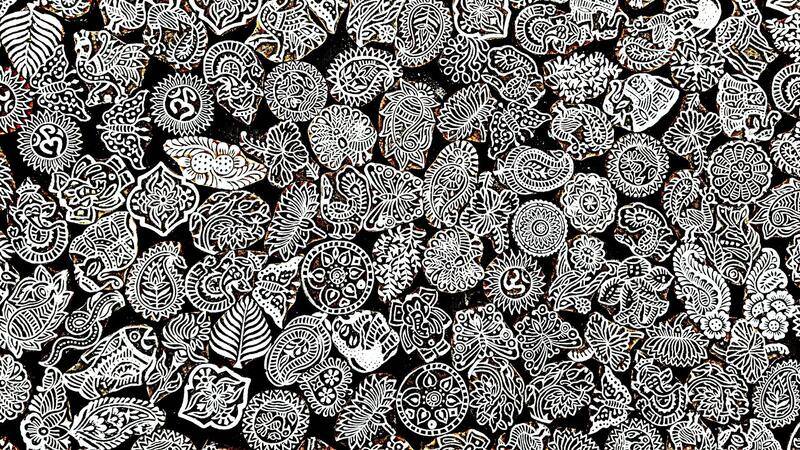
The choice of substrate directly impacts the appearance, longevity, and contextual suitability of the final piece. Vinyl materials are often selected for their waterproof and weather-resistant properties, making them ideal for outdoor displays. Canvas or fabric substrates lend a textured, artistic feel suitable for gallery walls or premium interior design applications. Specially coated papers are used for detailed photographic reproductions, providing smooth surfaces that enhance color vibrancy and sharpness.
Each material comes with specific characteristics that influence ink absorption, color vibrancy, and resistance to environmental factors such as UV light, moisture, and handling. Selecting the appropriate substrate aligned with the project’s purpose ensures the longevity and aesthetic fidelity of the artwork.
Importance of Consistency and Durability
Beyond aesthetic factors, materials used in large format printing must withstand environmental exposure without significant degradation. UV-resistant coatings, waterproof coatings, and high-quality inks are employed to extend the lifespan of photographic prints, especially those intended for outdoor or high-traffic environments. Maintaining the integrity of colors and preventing fading over time is achieved by selecting materials with proven durability standards.
Implementing Quality Assurance Measures
Quality assurance involves inspecting prints for color accuracy, resolution, and overall consistency before final delivery. Regular calibration of printing devices and adherence to standardized workflow protocols help maintain high standards. Test prints at various stages allow for adjustments in color profiles, ink density, and media handling, minimizing the risk of costly reprints. This rigorous approach ensures that large format prints align with the artist's or client’s expectations, delivering professional-grade visual impact and longevity.
Choosing the Right File Format and Preparation for Large Format Printing
Proper file preparation is fundamental to achieving high-quality large format photography prints. Using the appropriate file formats ensures that the image data is preserved with maximum fidelity and detail. Commonly accepted formats include TIFF and PSD, which support high-resolution images and maintain the integrity of color information. These formats avoid the compression artifacts associated with JPEGs, thereby providing clearer, sharper results.
When preparing files for large format printing, it is important to confirm that the image resolution aligns with the desired output size. Typically, a resolution of at least 300 dots per inch (dpi) is recommended for detailed photographic prints; however, this may vary depending on the viewing distance and the specific material used. Larger prints often permit slightly lower resolutions, such as 150-200 dpi, especially if they will be viewed from a distance. Ensuring proper pixel dimensions relative to the final size prevents pixelation and maintains image clarity.
Color space management is another critical aspect. Utilizing the Adobe RGB or ProPhoto RGB color spaces allows for a broader spectrum of colors to be captured and reproduced during printing. It is essential to convert images to the printer’s ICC profile before printing. This profile acts as a guide, facilitating accurate color rendering and consistency across different prints and media.
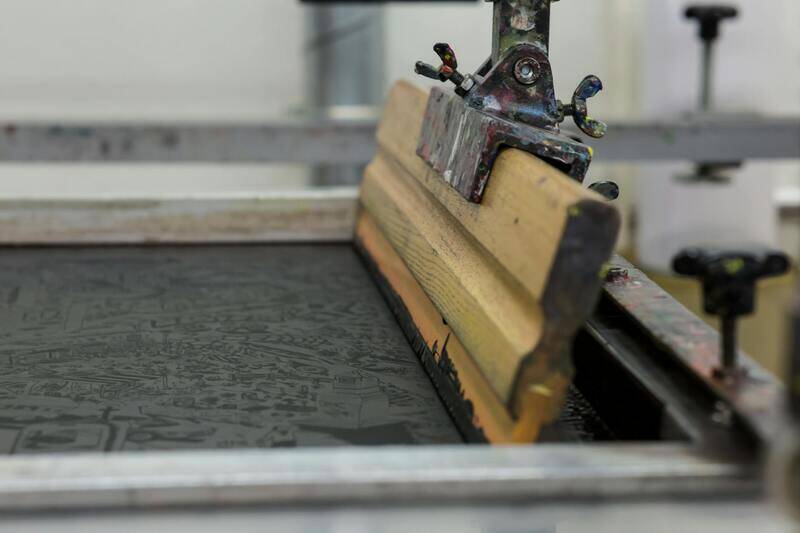
Additionally, soft-proofing the image within editing software enables visualization of how the final print will look, allowing adjustments before the actual printing process begins. This step helps in fine-tuning color balance, contrast, and brightness, aligning the digital intent with the physical output.
When finalizing file preparation, ensure that all layers are flattened if necessary, and embedded color profiles are included. This practice minimizes discrepancies and guarantees that the colors are rendered as intended by the artist or photographer. Working closely with the printing service provider can further clarify their specific file requirements and recommended settings, leading to a smoother printing process and optimal results.
Choosing the Right File Formats for Large Format Printing
To ensure optimal print quality, selecting the appropriate digital file formats is essential. Standard formats like TIFF and PSD are preferred due to their support for high-resolution images and full color depth without compression artifacts. TIFF files preserve image quality and color fidelity, making them ideal for professional large format printing projects. Photoshop Document (PSD) files retain layers and adjustment layers, providing flexibility during pre-press corrections and color management.
JPEG files are commonly used for simpler projects, but they should be saved at maximum quality settings to prevent compression loss. Avoid using heavily compressed JPEGs for large-scale prints, as artifacts can become prominent when scaled up. Additionally, PNG can be suitable for specific images, especially when transparency is desired, though it may not support the extensive color range required for high-quality photographic prints.

Recommended Resolution Settings for Large Prints
Achieving sharp detail in large format photography printing depends heavily on the resolution of the digital file. For prints viewed from close distances, a resolution of at least 300 dpi is ideal. However, for large prints intended for viewing at a distance, a resolution of 150-200 dpi can suffice, reducing the file size and processing time without compromising perceived image quality.
Determining the correct pixel dimensions involves calculating the required size of the final print and adjusting the image resolution accordingly. For example, a 40-inch wide print at 150 dpi would require an image width of 6000 pixels. Ensuring that your image has sufficient pixel data prevents pixelation and maintains detailed clarity across expansive surfaces.

Optimizing File Preparation for Printing
Before submitting images for large format printing, perform meticulous file preparation. This includes flattening layers in software like Photoshop to avoid unexpected changes during printing. Embed ICC color profiles directly into the file to maintain color consistency. When working with multi-layered images, consolidating layers helps streamline the printing workflow.
Additionally, soft-proof the images within your editing software using the printer’s ICC profile. This process simulates how the final print will appear, allowing adjustments to contrast, brightness, and color balance beforehand. Taking these steps minimizes the need for reprints and ensures the output aligns with your artistic vision.
It is equally important to crop images precisely according to print dimensions, maintaining the aspect ratio to prevent distortion. Using high-resolution previews and proofing tools offers a safeguard against unexpected results. Collaborating with your chosen print service provider for specific file requirements can further optimize your preparation process and facilitate a seamless large format printing experience.
Installation and Display Considerations
Proper installation and display of large format photographs are critical to maximizing their visual impact and ensuring their longevity. Careful planning in mounting, framing, and positioning can significantly enhance the overall presentation and prevent damage over time.
Optimal Mounting Methods
Secure and stable mounting methods are essential for large prints. Typically, aluminum composite panels, foam boards, or hardwood backings are used to provide rigidity without adding excessive weight. These substrates support the photo evenly and reduce the risk of warping or sagging. When mounting, it is crucial to ensure that the surface is perfectly smooth and free of dust or debris to prevent bubbles or imperfections.
Framing and Edging Options
Choosing the right framing can enhance the artwork while protecting the edges. Modern options include sleek metal frames, minimalistic wood surrounds, or even frameless installations using float mounts. UV-protective glass or acrylic can be added to shield the print from UV rays, dust, and accidental contact. For outdoor displays, weather-resistant framing materials are necessary to withstand environmental elements.
Strategic Placement and Lighting
Positioning large format prints requires consideration of ambient lighting, viewing angles, and space configuration. Proper lighting, such as overhead spotlights or controlled natural light, highlights details and vibrancy without causing reflections or glare. Maintaining an appropriate distance from other elements in the display area enhances viewer experience and prevents visual clutter.
Environmental Considerations
Environment plays a key role in preserving large format photographs. Avoid placing prints in areas with high humidity, direct sunlight, or fluctuating temperatures, as these conditions can accelerate deterioration. Controlled environments with stable temperature and humidity levels are ideal for long-term display. Additionally, employing protective enclosures or display cases can provide extra safeguarding against dust, pollutants, and accidental damage.

Maintenance and Long-term Care
Regular cleaning with soft, lint-free cloths and appropriate cleaning solutions helps maintain vibrancy and clarity. Avoid abrasive materials or harsh chemicals that could scratch or degrade the print surface. For outdoor or exposed installations, periodic inspections for signs of wear or damage allow timely repairs or protective measures. Keeping the display environment clean and stable will preserve the image quality and aesthetic appeal for years to come.
Understanding Large Format Photography Printing
Large format photography printing involves creating high-quality, oversized prints that faithfully reproduce the detail, color, and emotion captured in photographic images. This process is essential for artists, photographers, and organizations aiming to showcase their work in gallery exhibitions, advertisements, or large-scale displays. Achieving the perfect large format print requires meticulous attention to detail in several key areas, including material choice, print method, and post-print care. When selecting a method for large format photography printing, considerations such as image resolution, color fidelity, and longevity come into play, all of which influence the final visual impact and durability of the print.
Types of Large Format Printing Technologies
There are several established printing technologies used for producing large format photography prints, each with unique advantages suited for different requirements:
- Giclée Printing: Utilizing high-quality inkjet printers, giclée printing offers exceptional detail and color accuracy. It employs archival inks that provide excellent longevity, making it ideal for gallery-quality photographs.
- Solvent and Eco-Solvent Printing: These methods use solvent-based inks to produce vibrant colors on a variety of substrates. They are especially suitable for outdoor displays due to their resistance to weather and UV rays.
- Dye Sublimation: Predominantly used for fabric prints, dye sublimation involves transferring dyes onto textiles with heat. This technique delivers brilliant, durable images that are resistant to fading and cracking.
- UV Printing: UV-curable inks are applied directly onto media surfaces and instantly cured with ultraviolet light, producing sharp images on rigid or flexible materials. UV printing is versatile and suitable for custom, large format displays.

Materials and Fabrics for Large Format Printing
The choice of substrate significantly impacts the aesthetic and durability of large format photographic prints. Common materials include:
- Canvas: Offers a textured, artistic appearance with excellent flexibility. Suitable for fine art reproductions and gallery displays.
- Photo Papers: Specialized glossy, luster, or matte papers designed for photographic images, providing high resolution and color rendition.
- Vinyl Banners and Mesh: Used especially for outdoor applications, these materials withstand weather conditions and UV exposure.
- Acrylic: Translucent or solid, acrylic substrates produce vibrant images with a modern, sleek finish, often used in corporate or gallery settings.
- Fabric and Textiles: Besides dye sublimation, textiles are increasingly popular for wall coverings or fabric banners, adding texture and depth.

Color Management and Image Resolution
Accurate color reproduction and high resolution are critical factors in large format photography printing. To ensure fidelity:
- Color Profiling: Utilize ICC profiles tailored for specific printers and media to maintain consistent color output across different devices.
- High-Resolution Files: Prepare images with a minimum of 300 DPI at the desired print size to capture fine details and prevent pixelation.
- Soft Proofing: Simulate how colors will appear when printed, allowing adjustments before the final run.
- Calibration: Regular calibration of monitors and printers ensures color accuracy during image editing and printing processes.
Print Preparation and File Optimization
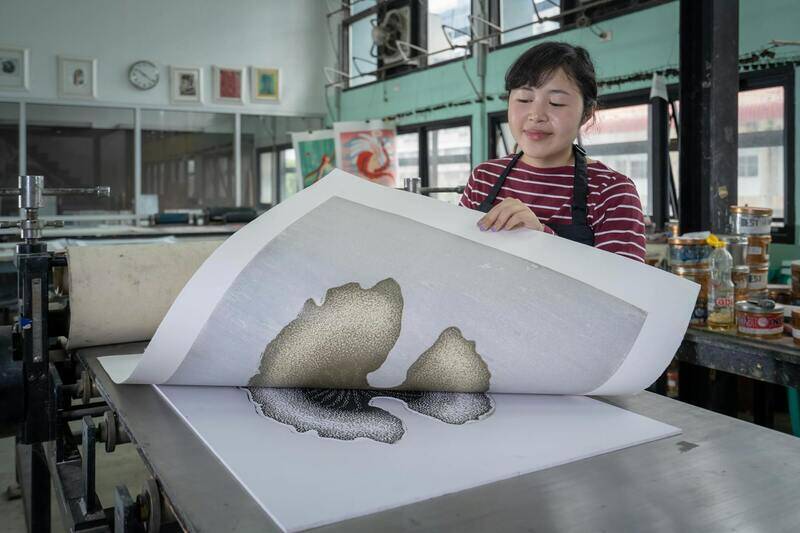
The success of a large format print heavily depends on optimal file preparation. Key steps include:
- Proper File Format: Use TIFF or high-quality JPEG files, maintaining maximum color depth and resolution.
- Sharpening: Apply appropriate sharpening techniques to enhance details without causing artifacts when enlarged.
- Color Correction: Adjust brightness, contrast, and color balance to match desired visual effects, referencing color profiles for consistency.
- Bleed and Margins: Incorporate bleed areas for edge-to-edge printing, ensuring no unintentional white borders or cut-offs.
- File Integrity Check: Verify that files are free of artifacts, corruption, or unintended compression artifacts before submission.

Installation and Display Considerations
Once printed, large format photographs require careful installation to preserve their quality and visual impact. Consider wall mounting with appropriate hardware that minimizes stress on the media. Framing, if applicable, should use UV-protective glass or acrylic to shield from environmental damage. Placement plans should account for lighting, ambient conditions, and viewing angles to maximize the photograph's visual effect. For outdoor installations, weatherproof framing and anti-glare coatings are recommended to endure environmental exposure without compromising image quality.
Ensuring Proper Installation and Display of Large Format Prints
Effectively showcasing large format photographs requires meticulous attention to installation and display strategies that uphold the integrity of the print and enhance viewer engagement. Proper installation not only preserves the quality of the print but also ensures that the visual impact is maximized in any space.
Preparation for Installation
Prior to mounting, it is essential to inspect the print for any transportation damage or imperfections. Ensuring that the print is clean and free of dust or fingerprints prevents defects that can detract from its appearance once displayed. Acquiring appropriate mounting hardware is crucial; choices include stainless steel pins, low-profile hooks, or specialized mounting systems designed for large and heavy media. These methods distribute weight evenly and avoid undue stress on the material, reducing the risk of warping or tearing.
Wall Mounting Techniques
- Direct Wall Mounting: Using specially designed mounting strips or rails provides a seamless appearance while minimizing physical contact points that could damage the media. Precision is key when positioning for alignment and levelness.
- Framed Mounts: For added protection and aesthetic enhancement, framing is often recommended. Frames should be fitted with UV-protective glass or acrylic to safeguard against UV damage, dust, and environmental contaminants. The choice of frame profile should complement the scale of the photograph without overwhelming the visual.
- Suspension and Cables: For a modern look or specific exhibition settings, suspension systems with fine cables can give the impression of a floating print. Correct tension and secure anchoring points are mandatory for safety and stability.
Lighting and Environmental Considerations
Strategic lighting significantly influences the perception of a large format photograph. Adjustable, soft, and evenly distributed light sources help prevent glare and hotspots. For indoor settings, controlled ambient lighting reduces reflections and enhances color fidelity. Outdoor displays require fixtures with weatherproofing features and anti-glare coatings on the print surface.
Environmental Controls for Preservation
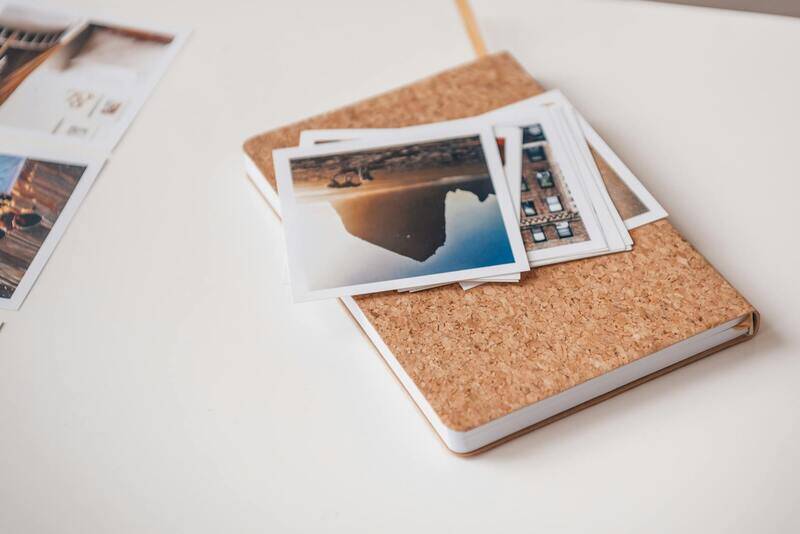
Maintaining a stable environment is crucial for longevity. Humidity levels should be kept moderate, and temperature fluctuations minimized to prevent warping or deterioration. Avoid placing large prints in direct sunlight or in areas with high pollution to reduce fading and material degradation over time.
Regular Inspection and Maintenance
Periodic checks for signs of wear, damage, or environmental effects enable timely intervention. Cleaning should be done with soft, lint-free cloths and appropriate archival-safe cleaning agents, avoiding harsh chemicals that could damage the print surface or framing materials. Additionally, resealing the edges or updating framing can extend the display's lifespan and preserve visual integrity.
Summary of Best Practices
- Use appropriate hardware designed for large and heavy materials
- Ensure precise alignment and level installation
- Choose framing with UV protection for enhanced durability
- Optimize lighting to complement and protect the artwork
- Control environmental factors to prevent deterioration
- Conduct regular maintenance and inspections
The thoughtful execution of installation and display strategies plays a pivotal role in maximizing the impact and preserving the quality of large format photographs. Proper practices ensure that the artwork remains vibrant, intact, and appreciated over time, making it a compelling centerpiece within any space.